

1-Year On: New Zealand’s School Phone Ban
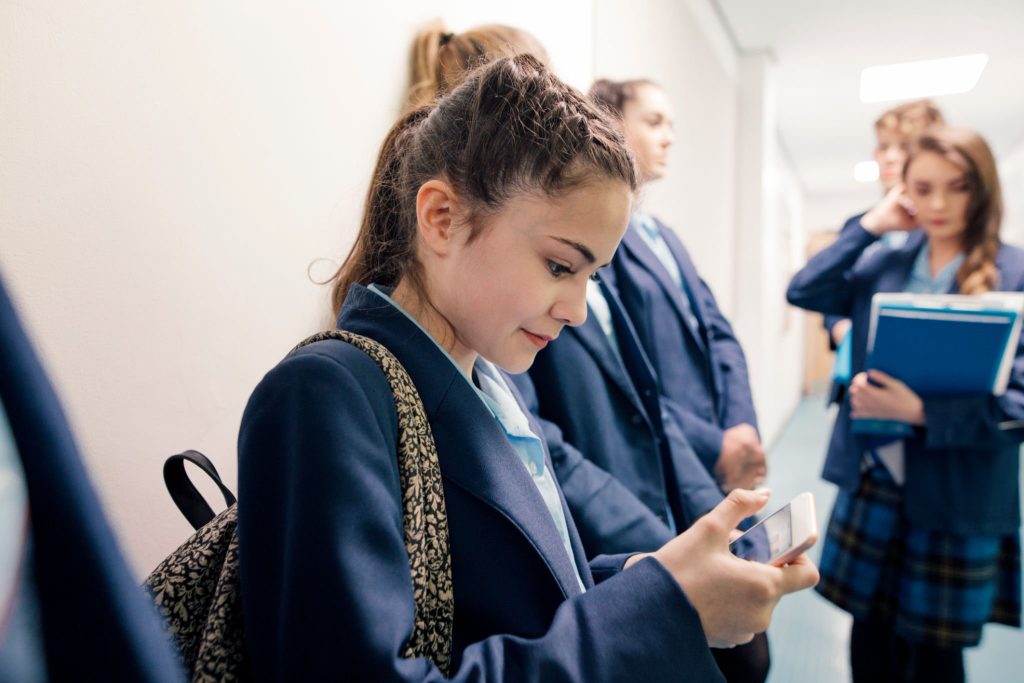
In April 2024, New Zealand banned students’ phones from schools, as part of “Phones Away for the Day” campaign. A year on, we look at the results.
Following UNESCO calling for a phone ban in schools after their research in 2023, New Zealand was swift to follow the likes of Australia and the UK in a hardened approach to phone use and screentime. As well as during lesson time, phones were banned in breaks too, with the only exceptions being some medical reasons.
Early teething issues
There were initially mixed feelings about the phone ban. Somewhat typically, there was political pressure to implement a ban, but when it came to specific guidance, things were a little light on detail.
Issues included:
- Some parents not being onboard with the new rules
- Differences in implementation school-to-school
- Perceived unfairness between students and teachers
These issues are pretty typical in schools around the world, leading us to write our guide on how to implement an effective phone ban last year.
One problem is that parents are so used to being able to contact their children (and vice-versa), that a sudden cut-off can cause resistance, despite the clear benefits to learning. There needs to be a recap on how children can contact parents from school, and parents need reminding on how best to communicate things like school pick-ups, so their children don’t feel anxious.
However, what undermines new rules is inconsistency. Students questioned in New Zealand said that some schools allowed phone use at breaktimes. Some had phones confiscated, whilst others had multiple warnings, whilst others shared tactics on how fellow students circumnavigated the rules – such as using VPNs on their laptops.
The method of stopping phone use also varied, with some schools relying on good faith, whereas some adopted the increasingly popular lockable phone pouches, where students simply can’t access phones without a special unlocking device.
What frustrated some New Zealand schoolchildren was the apparent one rule for their, and one rule for teachers. It’s fair to say getting buy-in for a school ban requires staff to take on the rules in the same spirit, otherwise the arguments will ensue.
12 months on
It hasn’t been all bad news, though. Resistance is part and parcel of implementing such a significant change, but we have consistently seen positive results in schools across various countries, and New Zealand has been no different.
Comments from students interviewed by the Independent include the phone ban has been “real good for during class time” and there’s “definitely improvement” in her school work. They also found a student who said the ban gave them a break from using their phones, “otherwise, we’ll be on our phone all day, all afternoon, all night, and it won’t be healthy for our minds.”
Education Minister Erica Stanford said there has been “overwhelmingly positive feedback from teachers, principals, and parents” to the school phone ban.
“I’ve been told kids are much more focused on their learning, reading more books and spending more time playing outside,” Stanford said.
“Taking away the distraction of cell phones ensures better engagement in class and improves student achievement and wellbeing.”
Looking for more data? We shared quick-fire facts on why schools should go phone-free in a recent blog post. We also wrote a lengthy piece on the rise of lockable phone pouches; the leading mechanism of achieving screentime balance.
As part of our lockable phone pouch solution, Phone Locker offers support to schools – sharing the great work other schools who have successfully gone ‘phone-free.’ For more details, reach out for no-obligation advice.






 English
  Spanish
  Portuguese
  French
  Italian
  German
  Chinese