

The UK Government Considers Social Media Time Limits for Kids
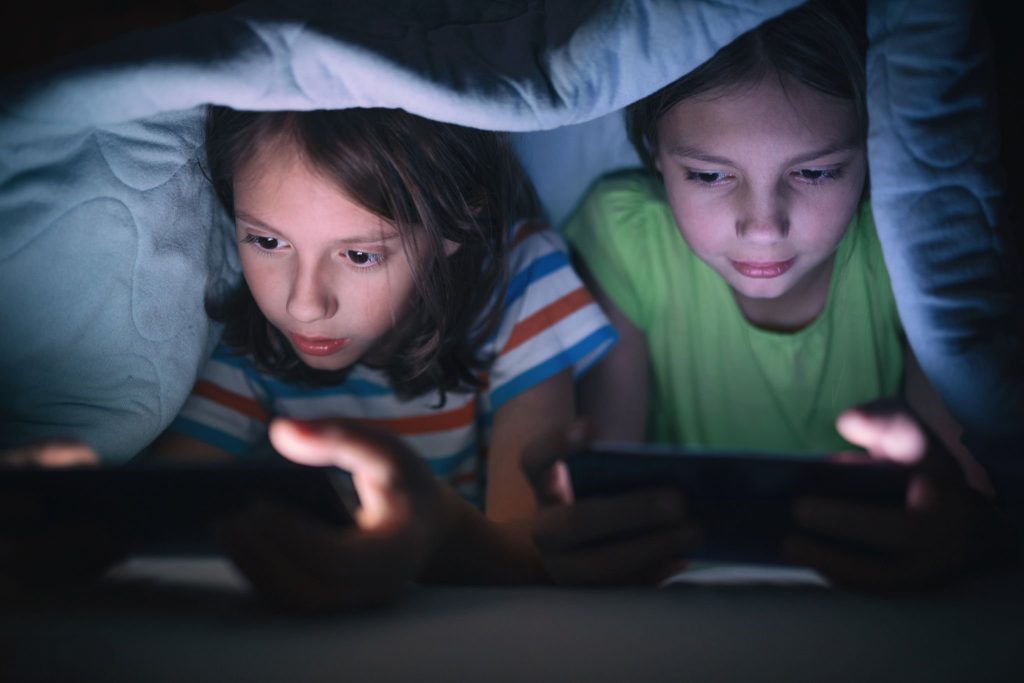
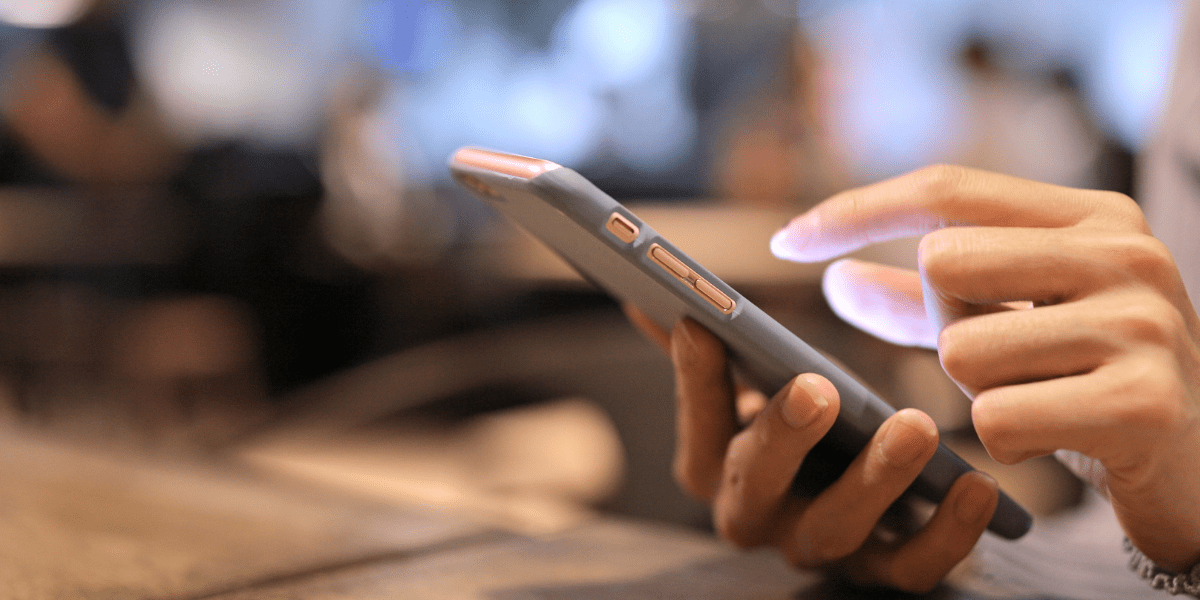
The UK government is thinking about bringing in stricter rules to limit how much time kids spend on social media, following similar talks in Europe last week, as a rising body of evidence shows the negative effects of social media on children’s mental and physical health.
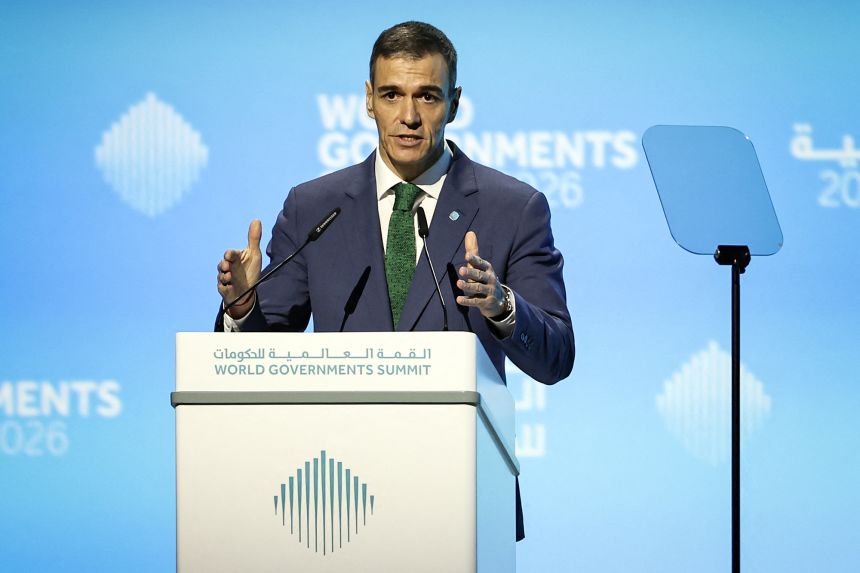
EU countries discussed setting a “digital age of adulthood,” meaning kids would need parental consent to use social media. France, Greece, and Denmark support banning under-15s from using these platforms, while Spain suggests raising the age limit to under-16s.
No final decisions were made, but Denmark’s Digital Minister Caroline Stage Olsen said, “It’s going to be something we’re pushing for.”
Meanwhile, the European Commission plans to roll out an age-verification app next month, stating that it can function without requiring personal information.
Elsewhere in the world, Australia has already banned social media for under-16s, taking effect later this year, whilst New Zealand and Norway are considering similar bans.
What’s happening in the UK?
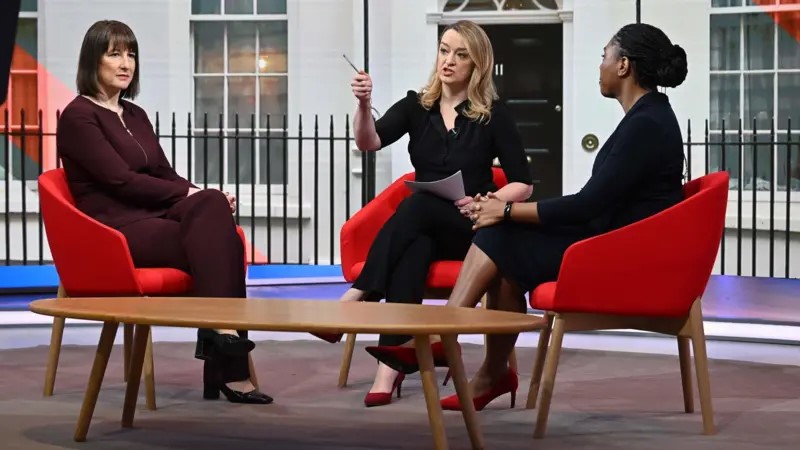
Speaking on the BBC’s Sunday with Laura Kuenssberg, Technology Secretary Peter Kyle said he’s reviewing “the addictive nature of some of the apps and smartphones” and looking at what more the government can do to keep children safe online.
“This year we’ve had illegal content that needs to be taken down,” he said. “But in July, age-appropriate material must be supplied by platforms, otherwise there’ll be criminal sanctions.”
He added that the government is working to “nail down harder” on safety and define “what a healthy online life for children” should look like.
While the Technology Secretary has been in talks with social media firms already, with Ofcom also publishing a children’s code aimed at taming toxic algorithms, there may be difficulties in controlling the likes of Meta and X, which are based in the USA.
Speaking to the BBC, online safety campaigner Ian Russell has criticised the government for delays in introducing stricter laws to protect children online. His daughter, Molly, took her own life at 14 after viewing harmful content on social media.
“Every day the government has delayed bringing in tougher online safety laws, we’ve seen more young lives lost and damaged because of weak regulation and inaction by big tech,” he said.
Russell, a supporter of the Online Safety Act, warned that only “stronger and more effective” legislation would tackle “fundamentally unsafe products and business models that prioritise engagement over safety.”
He added: “Parents up and down the country would be delighted to see the prime minister act decisively… but sticking plasters will not do the job.”
How can children’s screentime be managed now?
Reports indicate that teens spend more than 4 hours on social media every day. It’s therefore important to work as a family to limit screen time and have healthy conversations about behaviour online.
You could create a family media plan, establishing screen-free times (e.g., dinner time, or an hour before bedtime), use parental controls and apps to manage screen time limits, and encourage alternative activities like reading or outdoor play.
Additionally, you could emphasise when it’s good to use the phone in more positive ways – like using YouTube to learn a new skill, searching for online recipes, or makeup techniques.
How Phone Locker can help you.
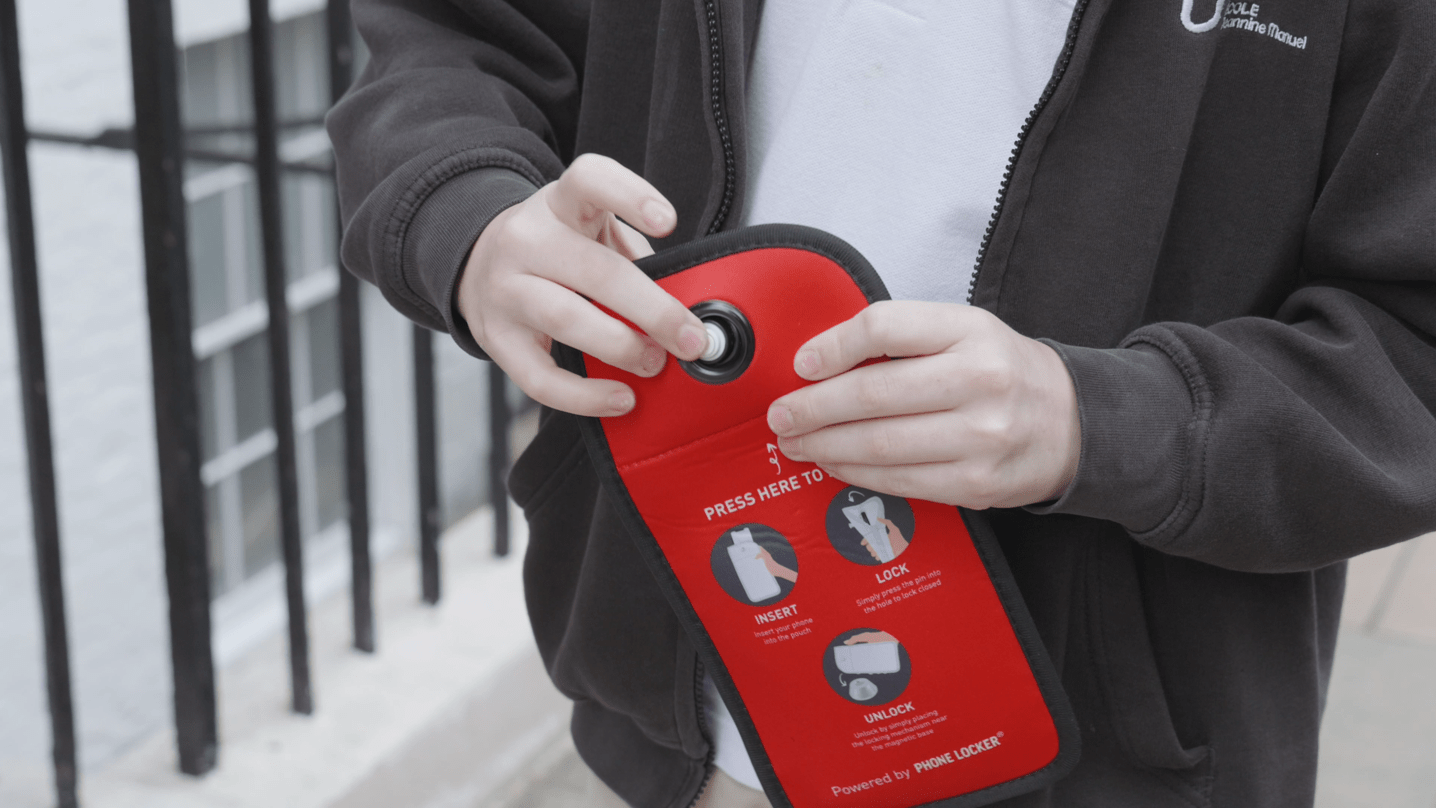
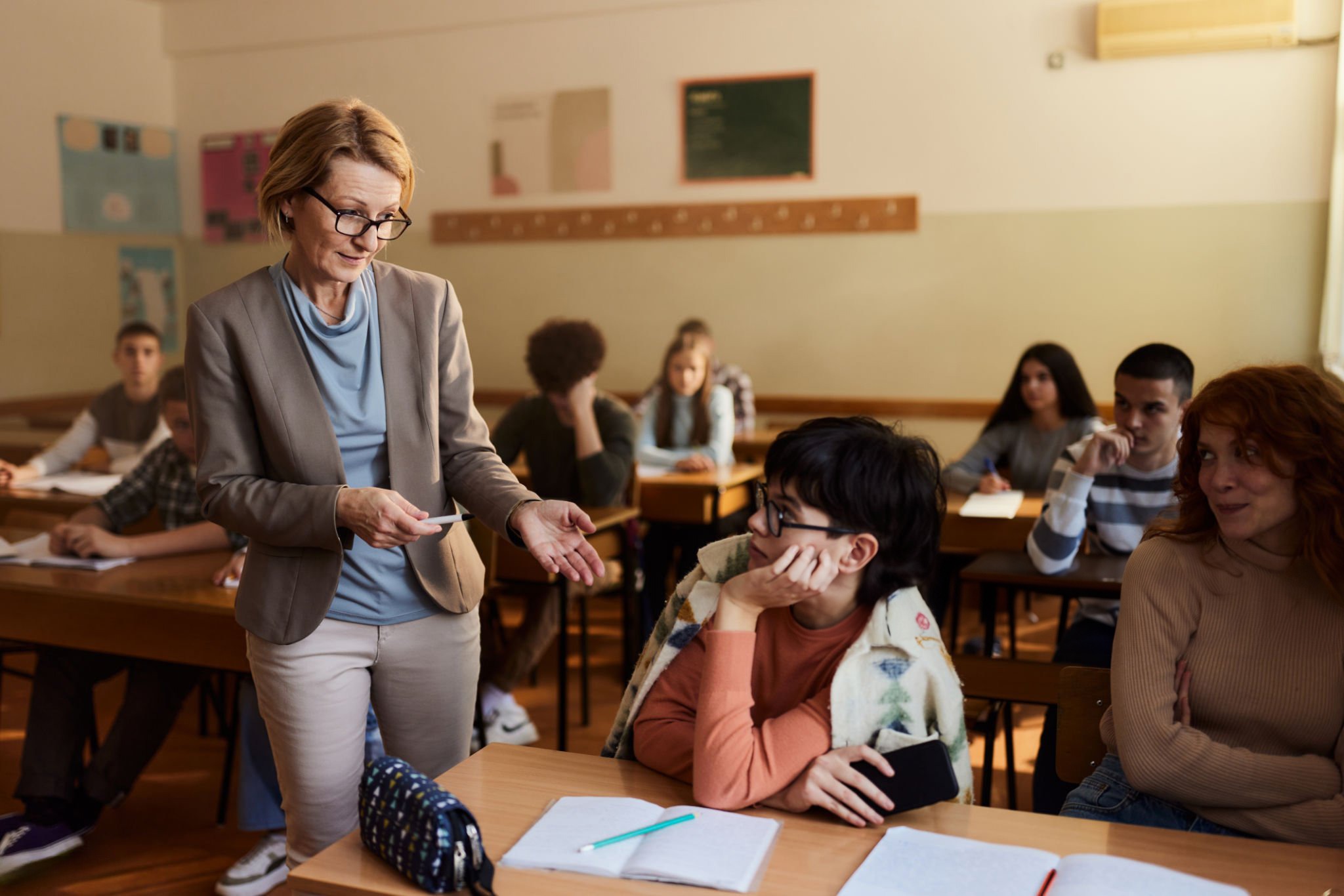
To aid children resisting the urge to reach for their smartphones, Phone Locker® launched their lockable phone pouch in 2020, which prevents access to the phone without a special magnet. It’s proved a popular solution in schools, where phones are banned in classrooms in most countries. Not only have schools noticed better disciple and exam results, but teachers are also pleased to see students interacting more outside of class too.
You can find out more how lockable phone pouches work, or reach out to us directly to discuss your next phone-free event.



 English
  Spanish
  Portuguese
  French
  Italian
  German
  Chinese