
Mobile Phone Use in San Marino Schools
San Marino may be the fifth-smallest country in the world, but when it comes to education, this microstate takes its responsibilities seriously. With a compulsory education system from ages six to sixteen and strong cultural ties to Italy, San Marino has built a modern school framework that combines tradition with forward-looking policies.
One of the newest debates shaping classrooms across Europe is how to manage smartphones in schools. While some nations, such as France and Italy, have introduced strict bans, San Marino has taken a more measured path. Rather than prohibiting devices outright, schools here are exploring ways to balance digital access with student wellbeing.
This conversation is not just about gadgets—it reflects how San Marino views learning, community, and the role of technology in children’s lives. For educators and parents, the question is clear: how can students gain the benefits of digital tools while avoiding the risks of distraction, overexposure, and reduced focus?
The San Marino Education System
San Marino’s education system is designed to be inclusive, modern, and closely aligned with broader European standards. Compulsory schooling runs from ages 6 to 16, covering both primary and secondary education, and emphasizes not just academic knowledge but also personal development and social responsibility.
Collaboration with neighboring Italy and adherence to EU and UNESCO educational standards ensure that San Marino’s students receive a curriculum comparable to larger European nations. This includes a strong focus on digital skills—from basic computer literacy to responsible internet use—as well as multilingual education, preparing students for an interconnected world.
When it comes to mobile phones, San Marino schools take a measured approach. While there is no nationwide ban on smartphones, digital tools are integrated into lessons in a controlled manner, allowing students to benefit from technology without letting it interfere with focus or wellbeing. This balance reflects the country’s broader educational philosophy: innovation and responsibility go hand in hand.
Current Situation: Smartphones in San Marino’s Classrooms
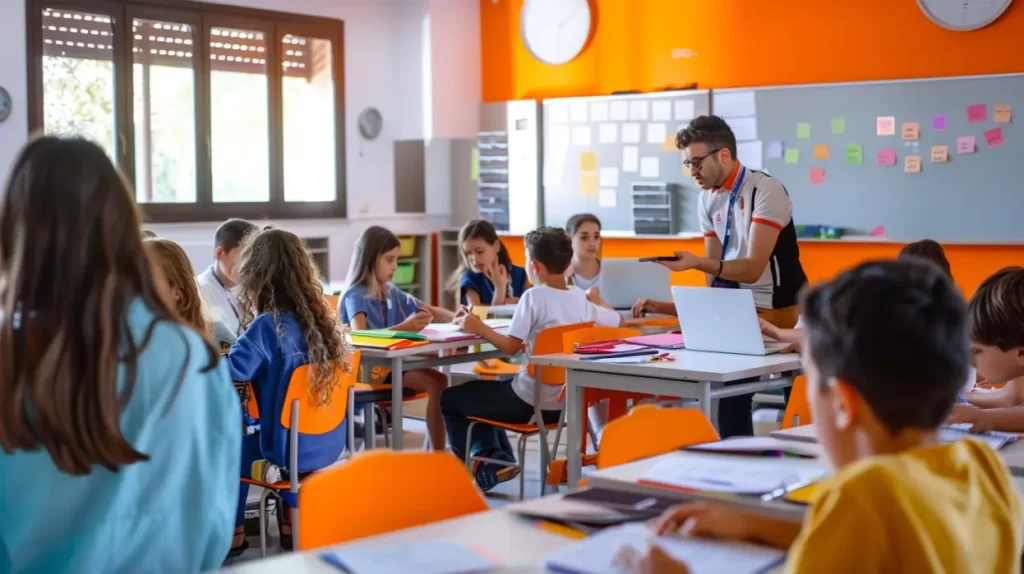
In San Marino, schools enjoy autonomy when it comes to mobile phone use in classrooms, as there is no central government mandate enforcing strict restrictions. Each institution develops its own policies, balancing the benefits of digital tools with the need to maintain focus and discipline.
Typically, students are allowed to carry their smartphones but are only permitted to use them during breaks or for specific educational purposes under teacher supervision. This approach encourages responsible use while minimizing distractions during lessons.
The ongoing debate within San Marino mirrors wider European conversations: educators, parents, and policymakers are concerned about potential negative impacts of excessive phone use, including decreased concentration, heightened stress from social media, and reduced face-to-face interaction. At the same time, there is recognition that mobile devices, when used thoughtfully, can enhance learning and digital literacy.
This middle-ground strategy positions San Marino as a model for balancing digital education in San Marino with student wellbeing, providing lessons for both small and larger school systems across Europe.
Lessons from Europe
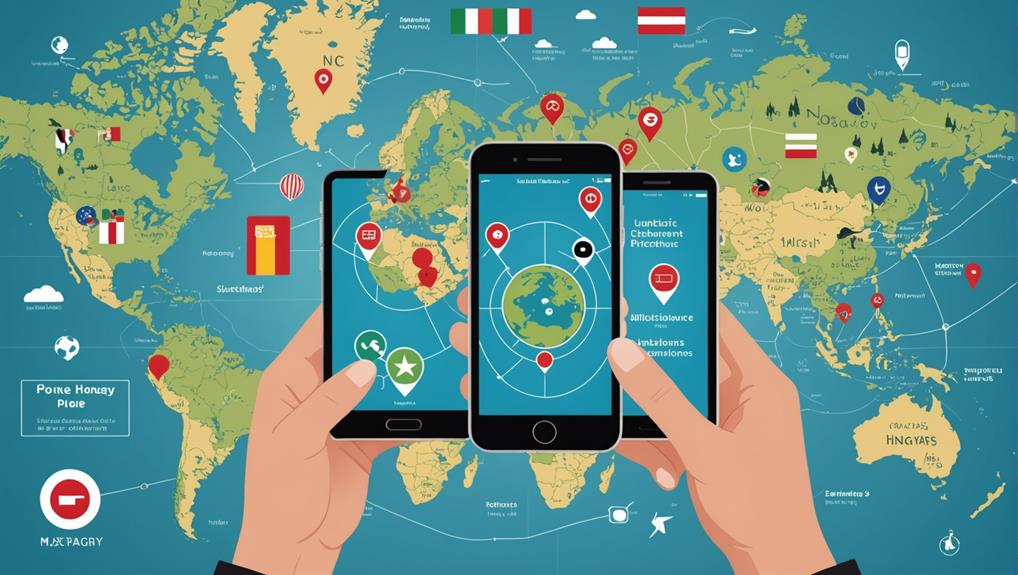
While San Marino has not yet introduced nationwide restrictions on smartphones in schools, many of its European neighbors have already taken decisive steps. France was among the first to impose a nationwide ban on mobile phones in primary and lower secondary schools, a move that was widely praised for improving student focus and reducing social pressures tied to social media. More recently, Slovenia passed amendments to its Primary School Act that require pupils to store devices in lockers, with use permitted only when teachers deem it necessary for learning.
Other countries, including the United Kingdom and the Netherlands, have also encouraged strict school-level policies or outright bans, responding to evidence linking reduced smartphone use with improved academic outcomes and student well-being. These measures demonstrate a broader European trend: schools are moving toward creating environments that prioritize concentration, interpersonal interaction, and healthy screen habits.
For San Marino, these examples serve as valuable case studies. By observing what has worked — and what challenges persist — in nearby countries, policymakers, educators, and parents can identify practical approaches that might suit their own school system without reinventing the wheel.
How PhoneLocker Can Support San Marino’s Schools
For a small country like San Marino, consistency and simplicity are key when it comes to managing smartphones in schools. Without a nationwide policy, schools need flexible, practical solutions that respect family preferences while creating clear rules in the classroom.
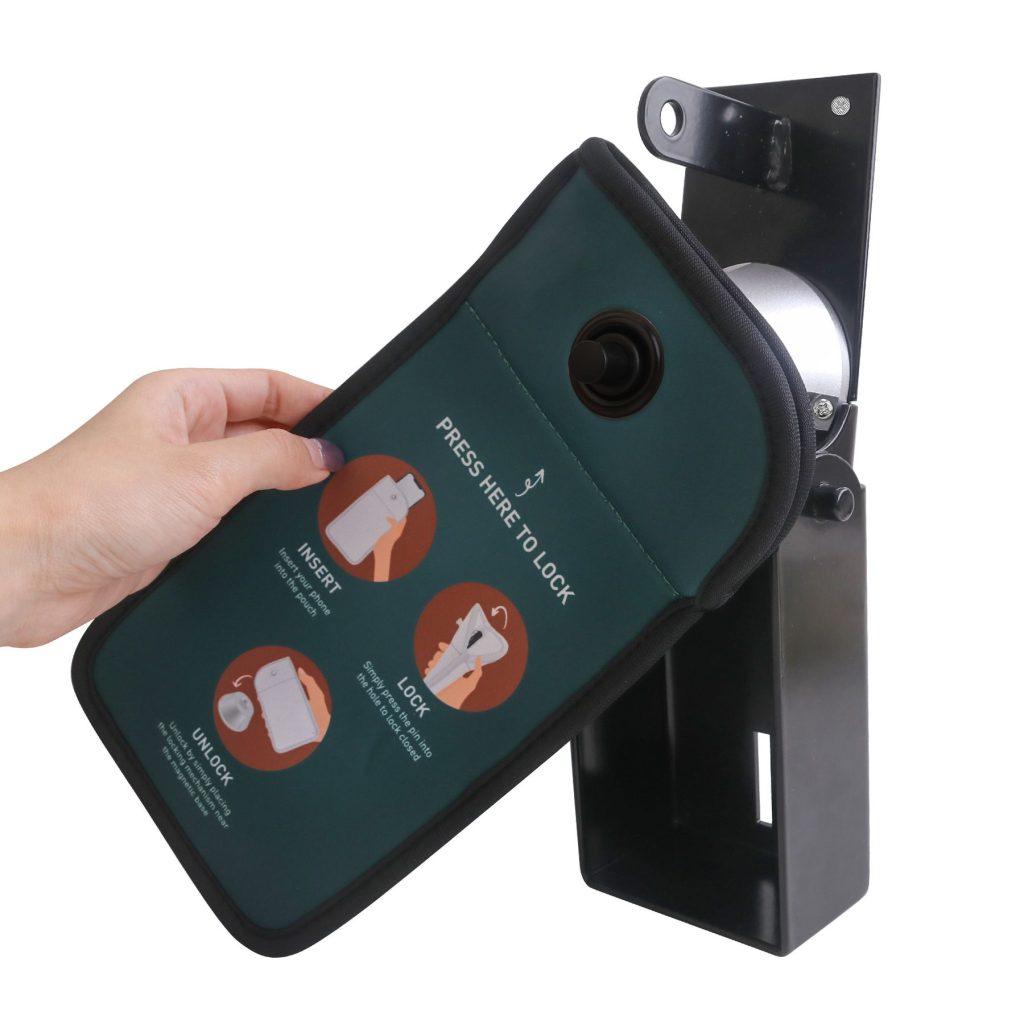
This is where PhoneLocker® can make a real difference. By providing each student with a secure magnetic pouch, schools can ensure phones are locked away during lessons while still remaining in the student’s possession. This eliminates concerns about liability for lost or damaged devices and prevents arguments over phone collection.
Because the pouches can be unlocked with a special magnet only when appropriate — for example, at the end of the school day — students quickly adapt to clear boundaries without feeling deprived. The system also gives schools the flexibility to allow phone access in specific lessons where digital tools support learning.
For parents, this approach offers peace of mind: their children carry their own devices but are protected from the constant pull of social media and distractions during class. For teachers, it restores a calm learning environment without creating additional work.
As San Marino’s schools navigate a future where digital literacy and traditional education must coexist, adopting tools like PhoneLocker ensures that mobile phones are managed thoughtfully, in line with the country’s values of community, responsibility, and balance.
Learn how PhoneLocker’s phone pouch system works.
Conclusion
San Marino may be one of Europe’s smallest states, but its schools face the same big challenges as every other country when it comes to managing smartphones. Without a national law in place, local educators and parents must find their own ways to balance digital access with the need for focused, distraction-free learning.
The conversation about mobile phones in schools isn’t just about rules — it’s about values. San Marino’s strong sense of community and tradition provides the perfect foundation for thoughtful solutions that protect children while preparing them for the digital world.
PhoneLocker® offers a simple, effective way to achieve that balance. Already trusted by schools in more than 20 countries, our lockable phone pouch system gives teachers control, parents confidence, and students the freedom to focus.
If you’re an educator or parent in San Marino exploring ways to manage smartphones in schools, we’d love to help.
Contact PhoneLocker today to learn how we can support your school in creating a healthier, more focused learning environment.





 English
  Spanish
  Portuguese
  French
  Italian
  German
  Chinese