Managing Mobile Phone Use in Liechtenstein Schools
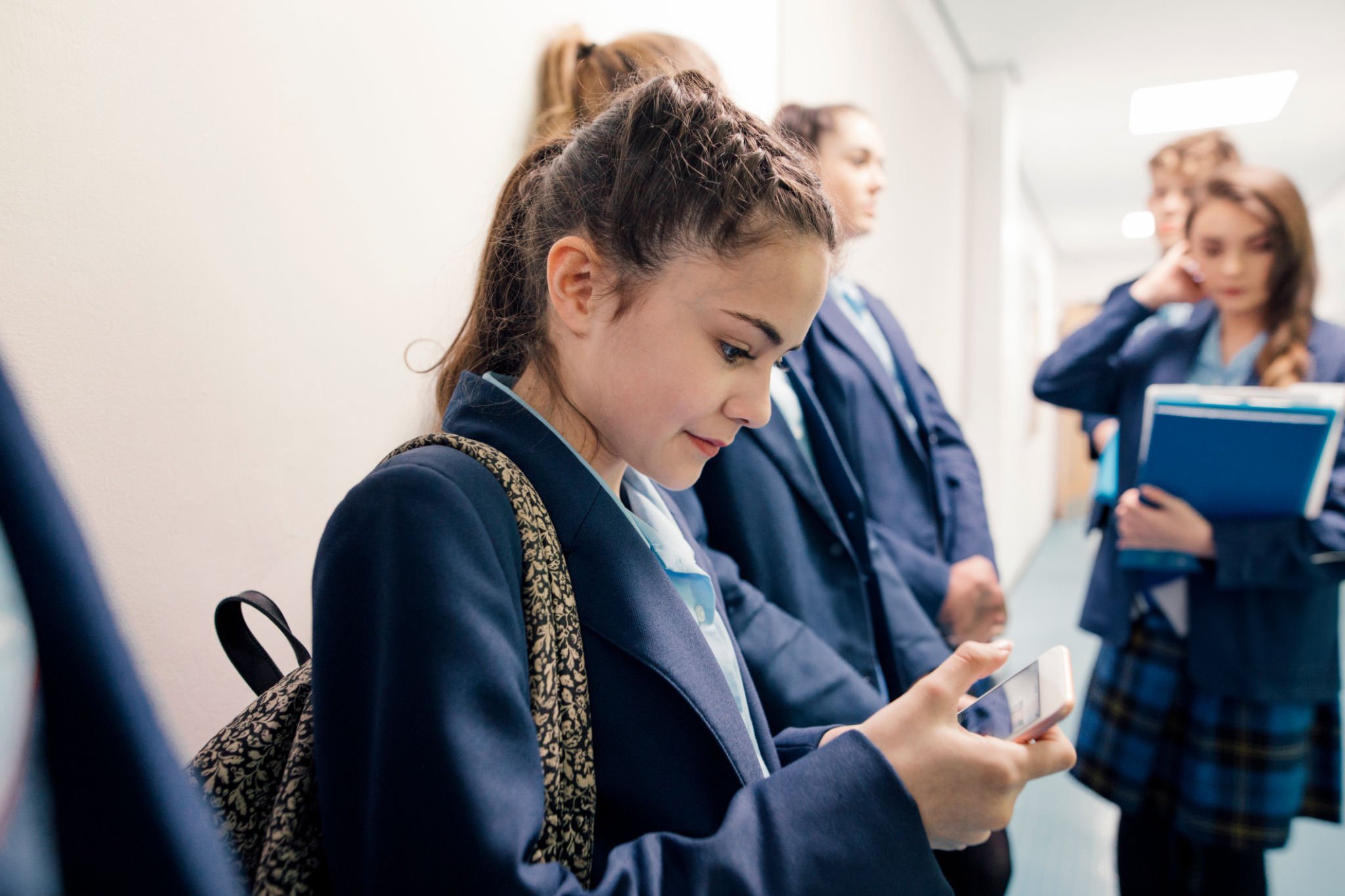
In today’s digital age, smartphones are an integral part of students’ lives—but they can also be a major distraction in the classroom. Liechtenstein, a small European country with just under 40,000 residents, faces unique challenges when it comes to managing mobile phone use in schools. Unlike larger countries, there isn’t a single nationwide policy dictating how students can use their devices. Instead, schools often adopt their own rules, balancing the benefits of digital learning tools with the need to maintain focus and discipline.
For teachers and administrators, this creates both opportunities and challenges: how do you embrace technology while keeping students engaged in lessons? In this post, we’ll explore how Liechtenstein schools handle mobile phone use, the challenges they face, and practical solutions—like lockable phone pouches—that can help create a distraction-free learning environment.
Education and Digital Integration in Liechtenstein
Liechtenstein’s education system is closely aligned with that of neighboring Switzerland, reflecting their shared cultural and educational heritage. Despite the country’s small size, it offers a full range of opportunities, from kindergarten through university, with pathways tailored to different student needs.
Compulsory schooling lasts for nine years, beginning with five years of primary education followed by four years of lower secondary. At the secondary stage, students can choose between different tracks—Realschule, Oberschule, and Gymnasium—each designed to match varying academic strengths and interests. These options prepare students either for vocational training or for higher education, whether at the University of Liechtenstein or in neighboring countries such as Switzerland, Austria, and Germany.
In recent years, Liechtenstein has also made significant strides in digital integration. The government has invested heavily in IT infrastructure for schools, ensuring that classrooms are equipped with Wi-Fi and mobile devices. Under the country’s Digital Agenda, all public schools are being connected and supported with modern tools to prepare students for life in a digital society. The curriculum itself is aligned with Switzerland’s Curriculum 21, embedding digital competencies into core subjects so that students are not only academically prepared but also digitally literate.
This structured yet flexible education system reflects Liechtenstein’s commitment to balancing traditional academic values with the skills required in an increasingly technology-driven world.

Managing Mobile Phones in Liechtenstein Schools
Liechtenstein does not have a nationwide policy regulating mobile phone use in schools. However, its small size and close-knit communities allow individual schools to develop their own approaches. Through initiatives like the School ICT project, all public schools are now equipped with modern IT resources, including WLAN and mobile devices, to strengthen digital literacy and support innovative teaching methods. This ensures that students are well-prepared for the demands of a digital world.
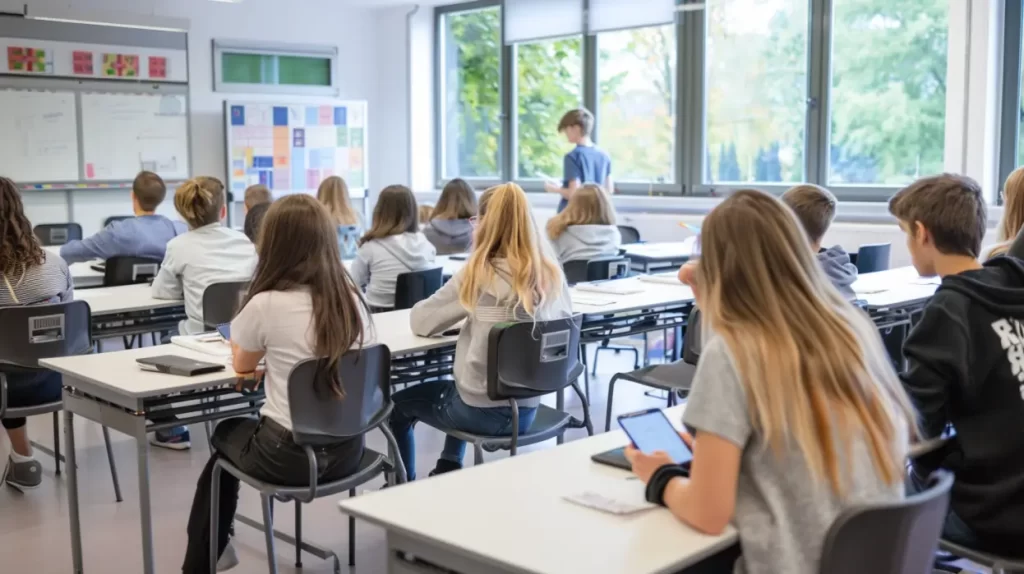
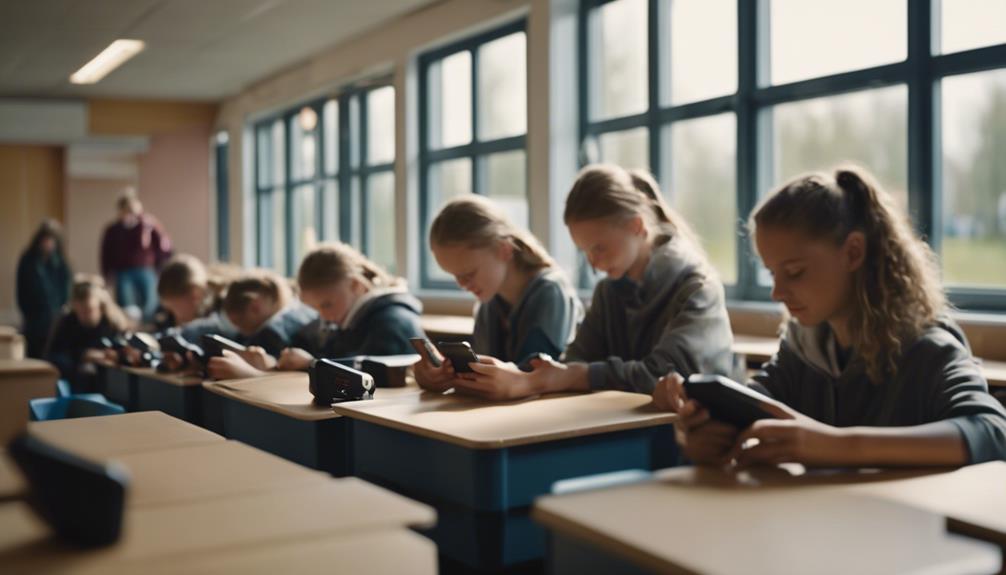
At the same time, the integration of digital tools brings familiar challenges regarding personal smartphone use. As in other European countries, schools in Liechtenstein must contend with students being distracted by notifications and social media, the risk of academic misconduct during assessments, and the difficulty of keeping full classroom engagement when devices are always within reach.
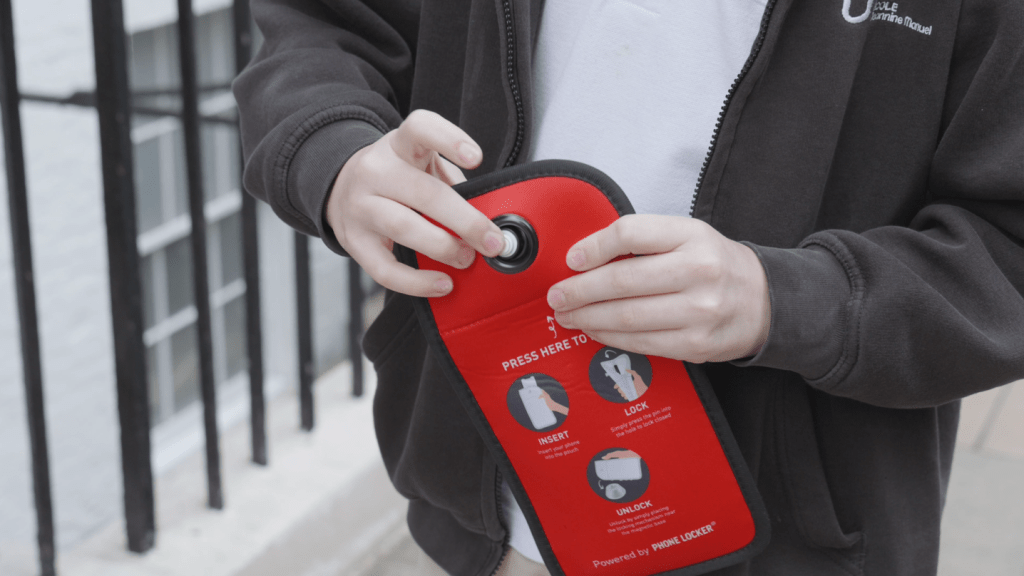
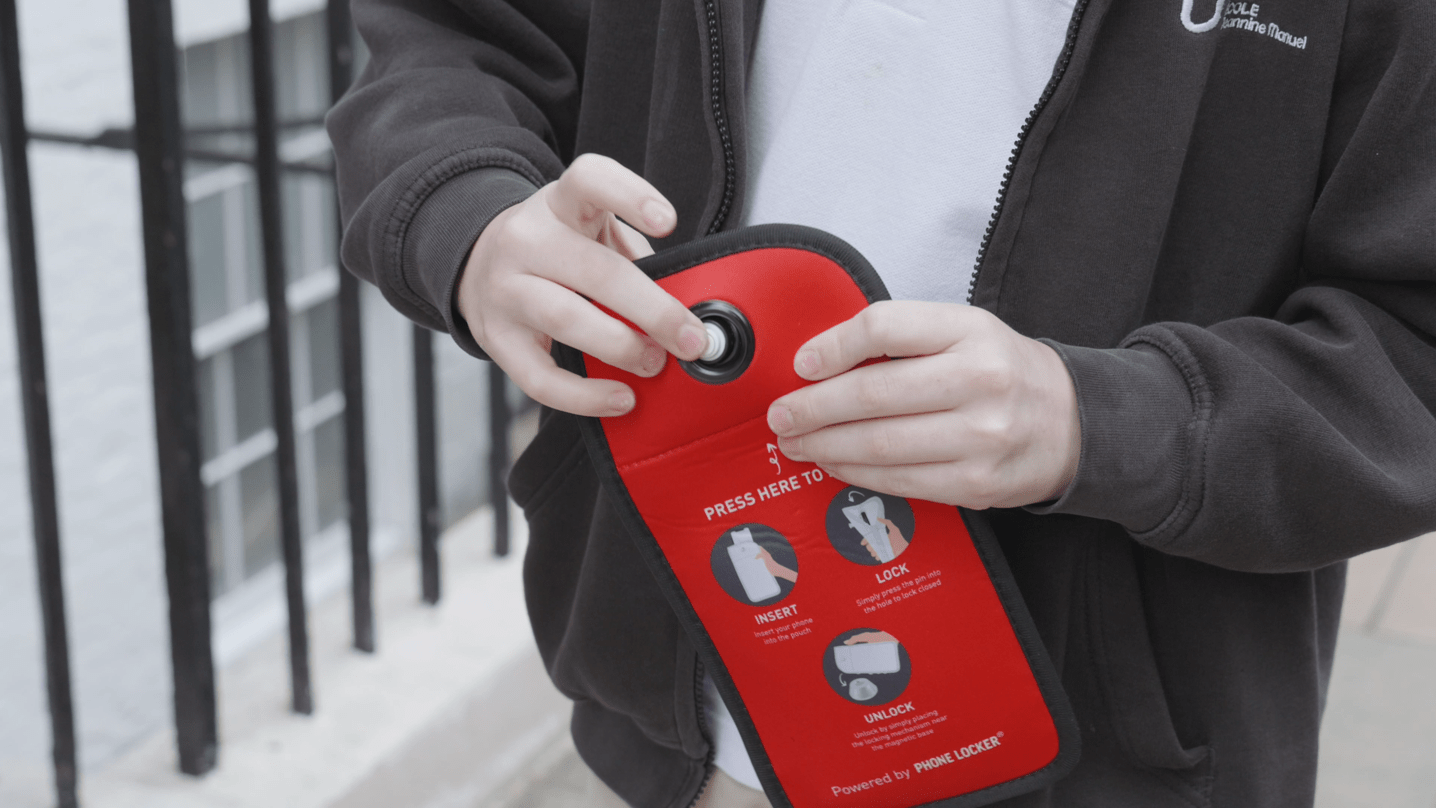
To address these issues, some schools have introduced practical measures such as designated storage areas or lockable phone pouches like PhoneLocker to minimize distractions during lessons. These approaches help strike a balance between embracing the benefits of technology and maintaining a focused learning environment.
The debate remains active, with figures such as Marion Kindle-Kühnis, a member of the Landtag of Liechtenstein, even voicing support for banning phones in schools altogether. What’s clear, however, is that teachers and administrators need practical, scalable tools that allow them to integrate digital resources while keeping personal device use under control.
Practical Solutions for Managing Mobile Phones
Even without a nationwide policy, schools in Liechtenstein can take effective steps to manage mobile phone use and create a focused learning environment. At PhoneLocker, we provide practical solutions that make this process simple and efficient.
PhoneLocker pouches allow students to store their smartphones during lessons securely. Each pouch features a magnetic locking system, allowing teachers to control when devices can be accessed. This reduces distractions, helps maintain classroom focus, and ensures that technology supports learning rather than hindering it.
Many PhoneLocker pouches also include signal-blocking capabilities, preventing calls, messages, or social media notifications while stored. This extra layer of control helps teachers maintain a distraction-free environment without constant monitoring.
For smaller schools like those in Liechtenstein, implementing PhoneLocker is straightforward. The pouches require minimal setup, no complex rules, and can be quickly adopted across classrooms of any size. Beyond focus, using PhoneLocker pouches also supports students’ digital well-being, encouraging them to develop healthier relationships with technology while still benefiting from digital tools when appropriate.
With PhoneLocker, schools in Liechtenstein can balance modern technology with productive, engaged learning, creating classrooms that foster both academic success and responsible digital habits.
Aligning with European Trends
Across Europe, countries are increasingly taking steps to manage mobile phone use in schools, often in response to concerns about student focus, academic integrity, and digital well-being. Policies vary significantly: in Switzerland and Austria, approaches differ by region, with some areas enforcing strict bans while others permit controlled classroom use. France has gone further, introducing a nationwide ban on smartphones in primary and lower secondary schools, a move aimed at reducing distractions and fostering healthier learning environments.
These examples highlight a broader European trend toward creating classrooms that balance the benefits of digital tools with the need for concentration and engagement. For a small country like Liechtenstein, such policies offer useful reference points. Its compact school system provides the flexibility to adapt proven strategies—whether through local regulations or practical solutions such as PhoneLocker pouches—to create learning environments that are both modern and focused.
By looking to regional developments, Liechtenstein schools can draw inspiration from their neighbors while tailoring approaches to fit their own context.
Conclusion
Liechtenstein’s small school system has the flexibility to adopt practical measures for managing mobile phone use without needing a nationwide policy. Solutions like PhoneLocker pouches allow schools to reduce distractions, support focused learning, and encourage healthier digital habits—all while keeping technology available when it truly adds value.
For teachers, parents, and administrators, PhoneLocker offers a simple and effective way to create distraction-free classrooms. Explore how our solutions can help your school strike the right balance between learning and technology.




 English
  Spanish
  Portuguese
  French
  Italian
  German
  Chinese