

Turkey Mobile Phone Ban 2025: Impact on Schools
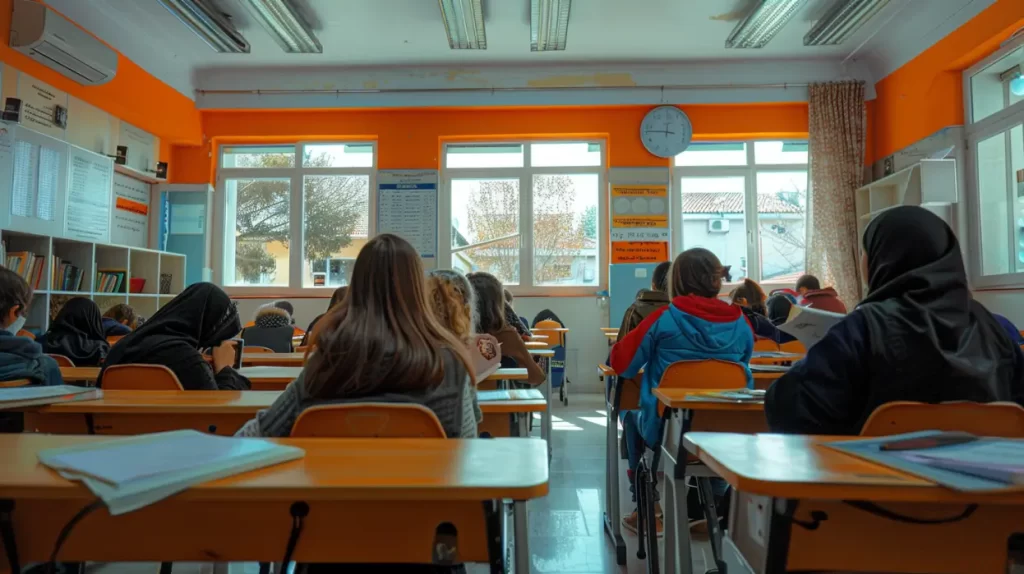
In a significant move to enhance classroom focus and student well-being, Turkey has implemented a nationwide ban on mobile phone usage in schools, effective from the start of the 2025-2026 academic year on September 8, 2025. This policy, announced by the Ministry of National Education through a circular signed by Minister Yusuf Tekin, prohibits both students and teachers from using mobile phones during lessons. The initiative aims to combat digital addiction, reduce distractions, and promote a more engaged and responsible learning environment.
This step aligns Turkey with a growing trend across Europe, where countries like France, Finland, and Denmark have introduced similar measures to address the challenges posed by excessive screen time in educational settings. As schools across Turkey prepare to implement this policy, it raises important questions about its impact on students, teachers, and the broader educational landscape.
The 2025 National Education Circular: Key Details
On August 20, 2025, Turkey’s Ministry of National Education issued a circular to all 81 provinces outlining significant changes for the 2025-2026 academic year, effective from September 8, 2025. Signed by Minister Yusuf Tekin, the circular introduces measures designed to enhance the learning environment and foster greater student focus and responsibility.
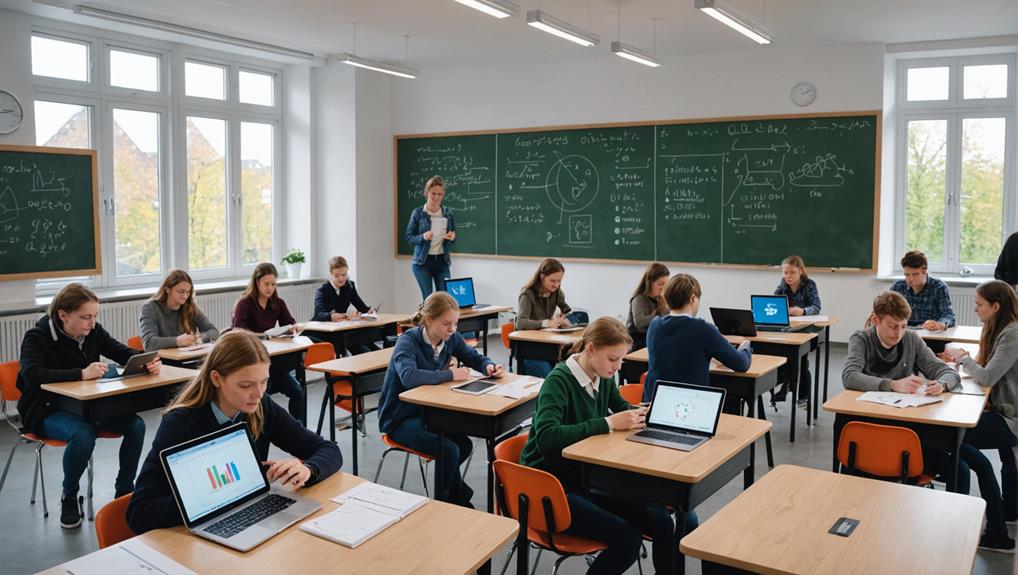
A central component of the new policy is the strict prohibition of mobile phones in classrooms. Students are required to hand in their phones before entering the classroom, and teachers are also barred from using devices during lessons. The goal is to create a distraction-free environment, improve academic focus, and set a positive example for students.
In addition to the phone ban, the circular includes broader initiatives for the 2025-2026 school year. Selected schools will implement the “bell-free” practice, allowing students to manage class transitions more independently and promoting a more natural flow during the school day. The year has also been designated as the “Family Year,” emphasizing family values and environmental awareness. Lessons and activities during the first week of school will include topics such as forest protection and the risks of wildfires, aiming to engage students in community and environmental responsibility.
Together, these measures reflect Turkey’s commitment to creating a more focused, responsible, and holistic educational environment while addressing the challenges of digital distraction in modern classrooms.
Why Turkey Introduced the Ban
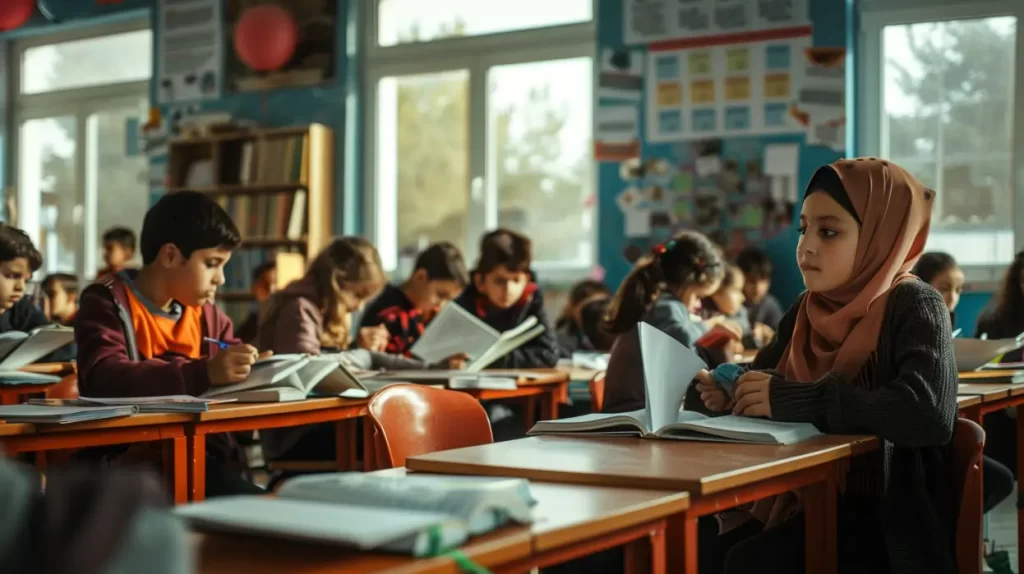
Turkey’s decision to implement a nationwide ban on mobile phones in classrooms stems from a confluence of educational, psychological, and societal factors.
Combating Digital Distraction
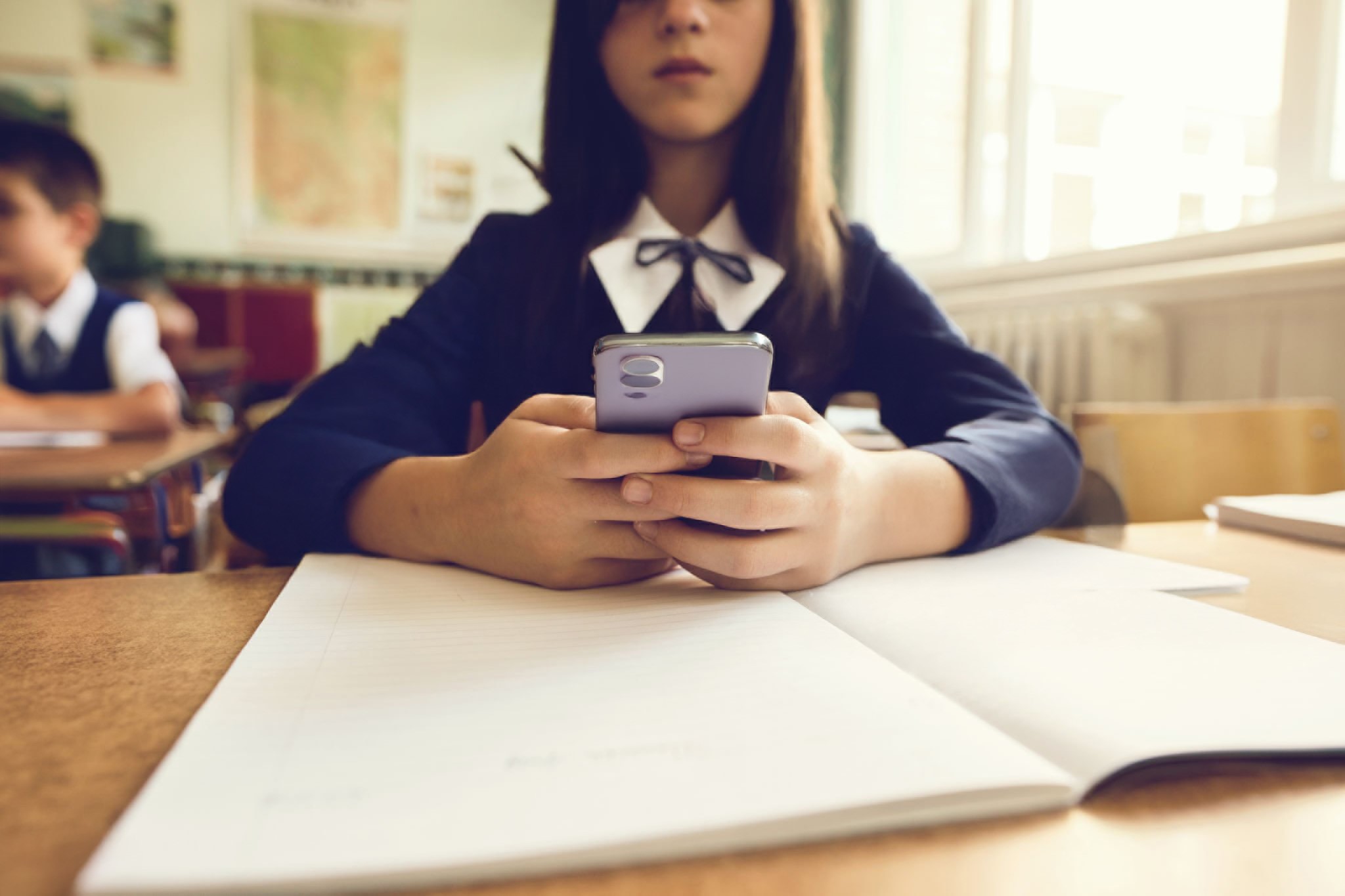
Educators have long observed that mobile phones serve as significant distractions in the classroom. Even the mere presence of a smartphone can divert students’ attention, making it challenging for them to concentrate on lessons. Research indicates that the presence of a smartphone and high phone-conscious thought affects one’s memory learning and recall.
Addressing Digital Addiction
The pervasive use of smartphones has raised concerns about digital addiction among students. Excessive screen time is linked to various issues, including reduced educational performance and negative effects on children’s emotional stability. By restricting phone use during school hours, the Ministry aims to mitigate these risks and promote healthier digital habits.
Aligning with Global Educational Trends
Turkey’s policy aligns with a broader global movement advocating for reduced smartphone usage in educational settings. International bodies like UNESCO have recommended banning smartphones from classrooms to tackle classroom disruption, improve learning, and help protect children from cyberbullying.
In summary, Turkey’s mobile phone ban in schools is a proactive measure to enhance the learning environment, safeguard students’ well-being, and align with international educational standards.
Reactions Across Turkey
The announcement of the 2025 mobile phone ban in schools has generated a variety of responses from students, parents, and teachers.
Parents are divided. Some welcome the policy, appreciating that it may reduce distractions and encourage students to focus more on learning. Others, however, express concern about safety and communication, particularly for younger children who may need to contact their families during the school day.
Students have shown mixed reactions as well. While some recognize the benefits of improved concentration and fewer interruptions during class, others feel the restrictions are overly strict, particularly in terms of social interactions and managing personal schedules.
Teachers generally support the ban, acknowledging that it can help maintain classroom discipline and promote engagement. At the same time, educators face the practical challenge of enforcing the policy consistently while adapting their own use of digital tools during lessons.
The varied reactions highlight the importance of clear communication, proper implementation, and ongoing support from schools to ensure the policy achieves its intended goals without creating undue tension among students, parents, or staff.

Turkey in the European Context
Turkey’s 2025 mobile phone ban positions the country within a growing European trend aimed at reducing digital distraction in schools and promoting student well-being. Several European countries have implemented similar policies in recent years:
-
France: Introduced a nationwide ban on mobile phones in primary and middle schools in 2018 to improve focus and reduce distractions.
-
Slovenia: Enforced restrictions on smartphone use in classrooms in 2023, emphasizing responsible digital behavior among students.
-
Belarus: Implemented a complete ban on student mobile phone use in 2025, citing concerns about concentration and academic performance.
By introducing this policy, Turkey aligns itself with other nations that recognize the impact of excessive phone use on learning environments. The move also reflects broader efforts across Europe to foster digital well-being, responsible technology use, and enhanced student engagement.
This European comparison not only situates Turkey’s policy within a wider context but also reinforces the notion that managing mobile phone use in schools is part of a global educational conversation.
PhoneLocker’s Solution for Turkish Schools
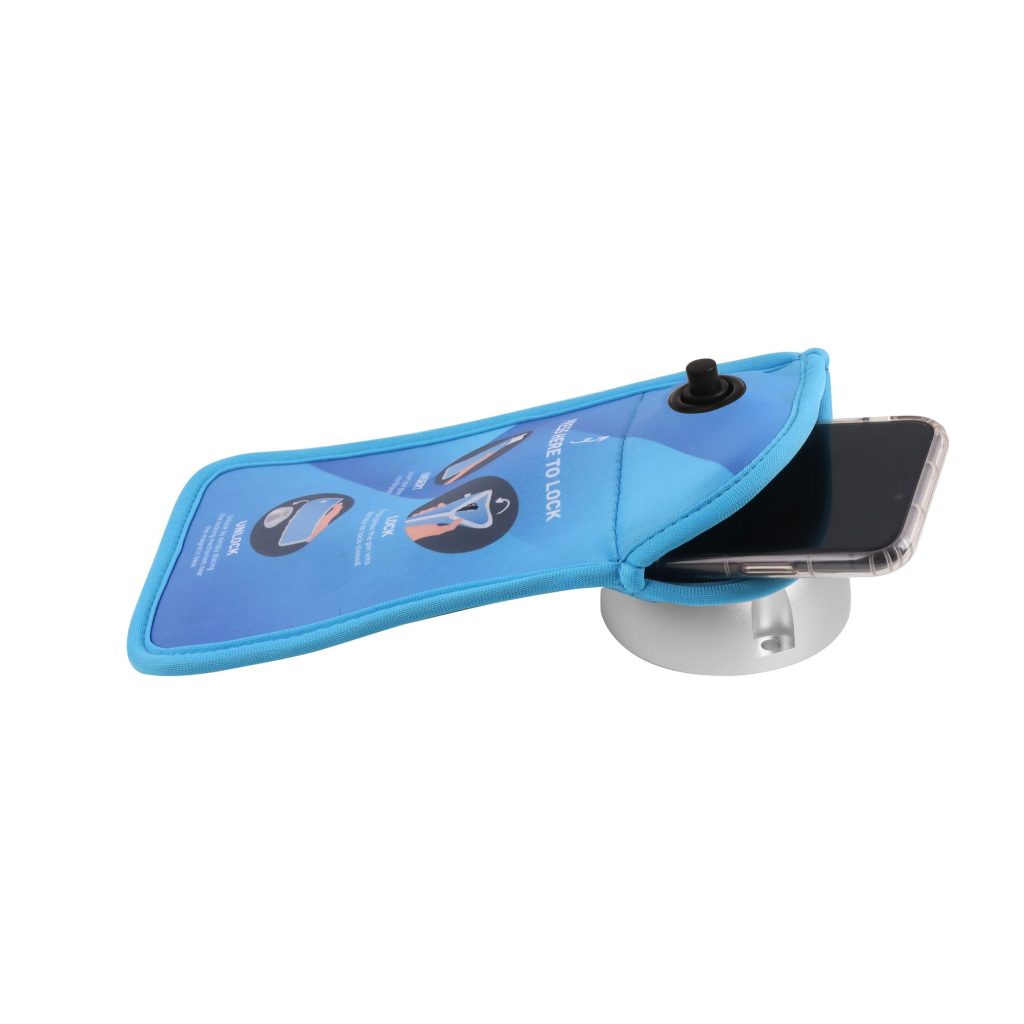
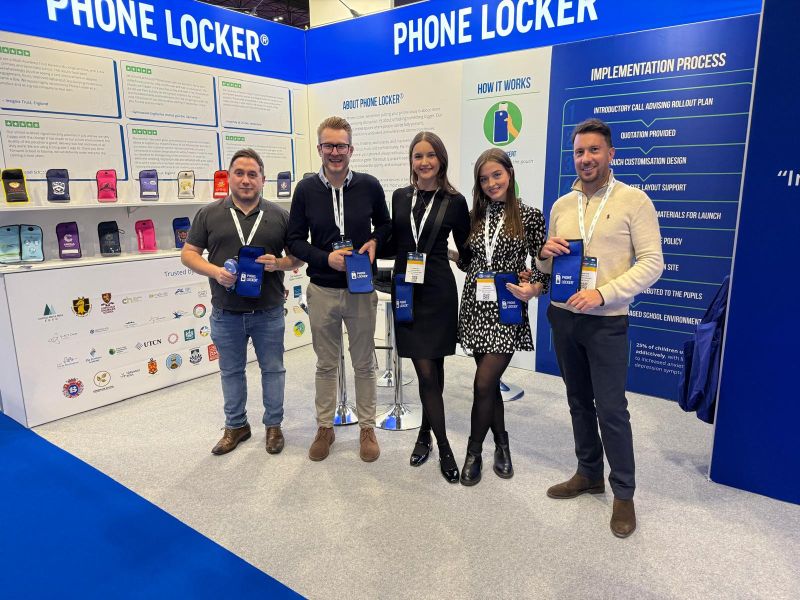
PhoneLocker is an innovative classroom solution designed to help schools manage mobile phone use and minimize distractions. With Turkey’s new mobile phone ban, it offers a practical way to enforce the policy while supporting both teachers and students.
-
Each student places their smartphone in a lockable magnetic pouch at the start of class.
-
The pouches are connected to a central unlocking system that allows teachers or administrators to control when devices can be retrieved.
-
This ensures students cannot access their phones during lessons, helping maintain focus without the need for constant monitoring.
-
Reduces Distractions: Phones are securely stored, creating a classroom environment free from interruptions.
-
Supports Teachers: Educators can enforce the phone ban consistently without conflict or disruption.
-
Enhances Student Responsibility: Students learn to manage their devices and focus on learning.
-
Parental Confidence: Parents know their children’s phones are safe and accessible only at approved times.
-
Proven Effectiveness: PhoneLocker has been successfully implemented in over 20 countries worldwide, demonstrating reliability and ease of use in schools of all sizes.
By integrating PhoneLocker, Turkish schools can implement the mobile phone ban effectively, ensuring students stay focused, teachers are supported, and phone management is handled smoothly.
Conclusion
Turkey’s 2025 mobile phone ban is a bold step toward creating classrooms that are free from digital distractions and focused on learning. With phones restricted for both students and teachers, the policy reflects growing global concern about screen addiction and its impact on education.
At PhoneLocker, we believe this transition doesn’t need to be difficult. Our lockable pouch system provides a simple and proven way for schools to comply with the new rules while keeping classrooms calm and distraction-free. Students store their devices securely during lessons, teachers gain peace of mind knowing they don’t have to police phone use, and parents can trust that phones remain safe and accessible when permitted.
We’ve already supported schools in more than 20 countries, and we’re excited to help Turkish schools succeed with this new policy. By adopting PhoneLocker, schools can turn the mobile phone ban into a positive change — fostering focus, responsibility, and a healthier learning environment for every student.
Get in touch with us today to see how PhoneLocker can help your school adapt to the 2025 phone ban in Turkey.





 English
  Spanish
  Portuguese
  French
  Italian
  German
  Chinese