
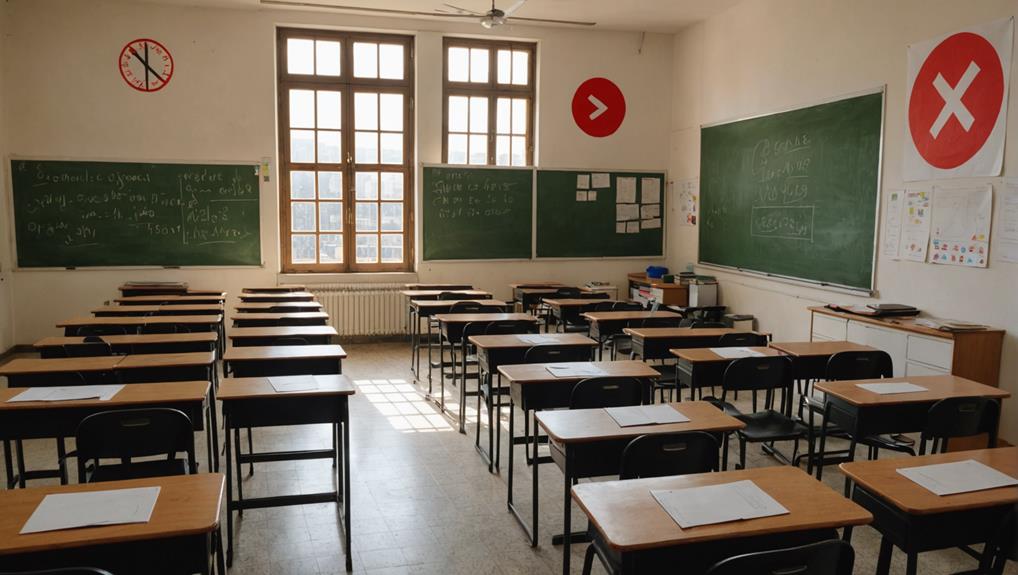
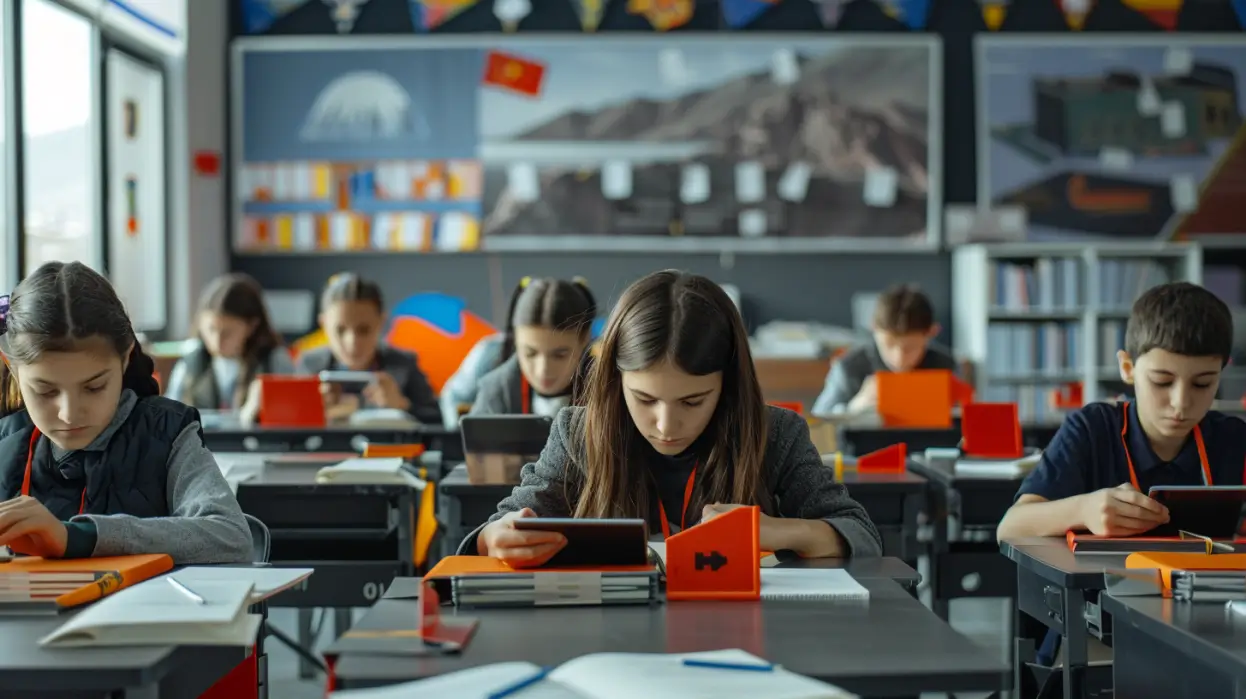
En diciembre de 2025, el Parlamento de Chile aprobó una ley innovadora que prohíbe el uso de teléfonos móviles y otros dispositivos inteligentes en las aulas de escuelas primarias y secundarias, una política que entrará en vigor en todo el país a principios del año escolar 2026.
La legislación, aprobada con amplio apoyo y a la espera de su promulgación formal por el presidente Gabriel Boric, prohíbe a los estudiantes el uso de teléfonos móviles y dispositivos conectados durante las actividades curriculares en preescolar, primaria y secundaria. Los centros educativos tendrán hasta mediados de 2026 para actualizar sus políticas y reglamentos internos a fin de cumplir con las nuevas normas.
Impulsando un “cambio cultural” en la educación
El ministro de Educación chileno, Nicolás Cataldo, describió la prohibición como parte de un “cambio cultural” más amplio destinado a mejorar la concentración de los estudiantes, la interacción social, el rendimiento académico y el bienestar emocional.
Cataldo enfatizó que la medida está diseñada para ayudar a los estudiantes a “volver a verse las caras, socializar durante los recreos y recuperar la concentración para impulsar aún más el aprendizaje”.
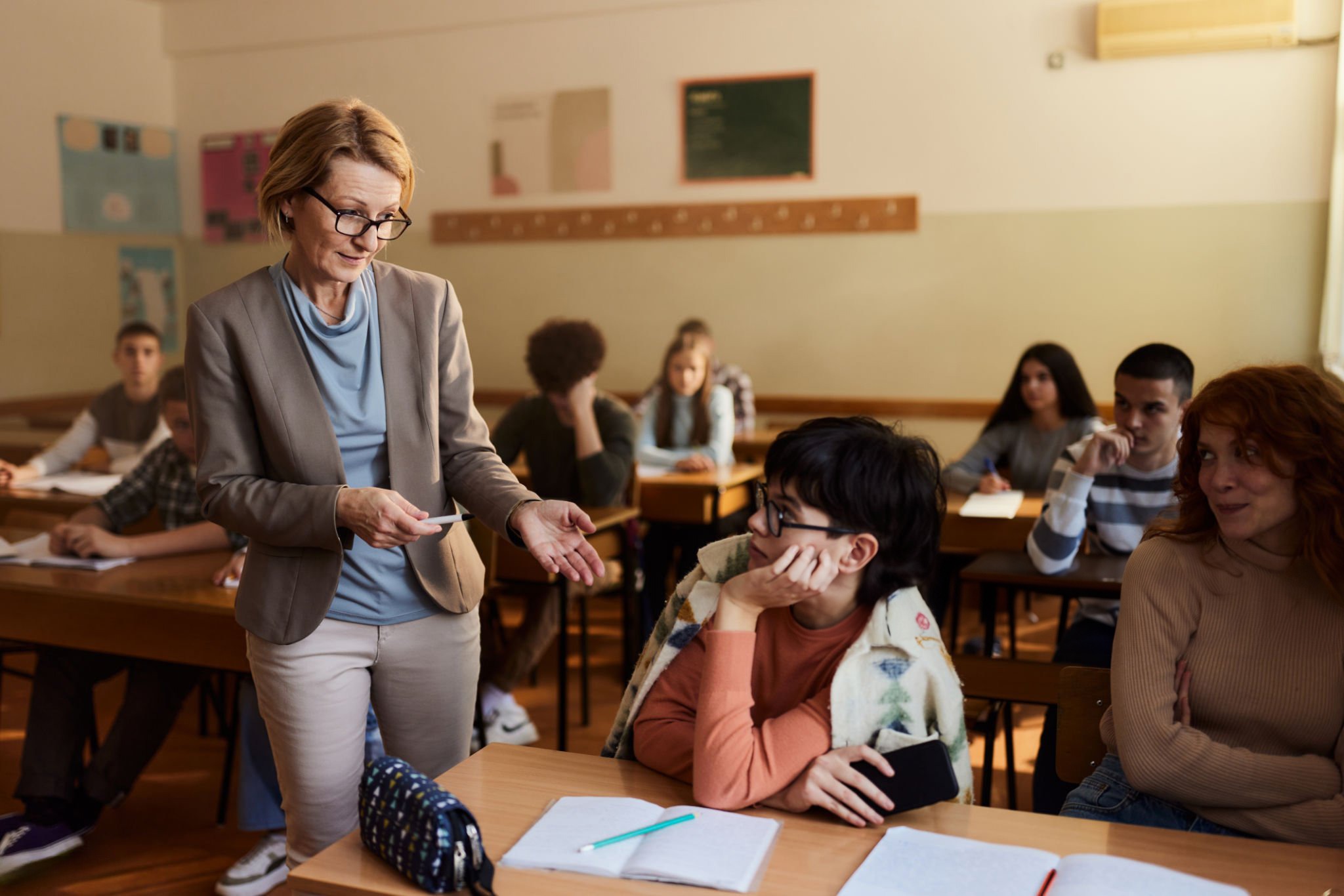
La ley permite excepciones limitadas (por ejemplo, en emergencias, por razones de salud o cuando se necesitan dispositivos para fines educativos específicos), pero en general establece una prohibición amplia del uso de teléfonos inteligentes durante las horas de clase.
Distracción en el aula y bienestar digital
Chile se suma a una lista creciente de países que implementan restricciones similares, incluidos Francia, Brasil, Hungría, los Países Bajos y China, donde las escuelas han endurecido las reglas sobre el uso de teléfonos inteligentes para proteger el entorno del aula y el bienestar de los estudiantes.
Investigaciones nacionales e internacionales destacan la distracción en el aula como una grave preocupación. Según datos de la Organización para la Cooperación y el Desarrollo Económicos (OCDE), una proporción significativa de estudiantes chilenos reporta que los dispositivos móviles interfieren en su aprendizaje, un patrón que se observa en muchos sistemas educativos a nivel mundial.
Estudios en psicología educativa también sugieren que reducir las distracciones digitales en el aula puede mejorar la atención, la memoria de trabajo y los resultados académicos, lo que respalda la lógica detrás de políticas como la de Chile.
Cómo se preparan las escuelas para el 2026
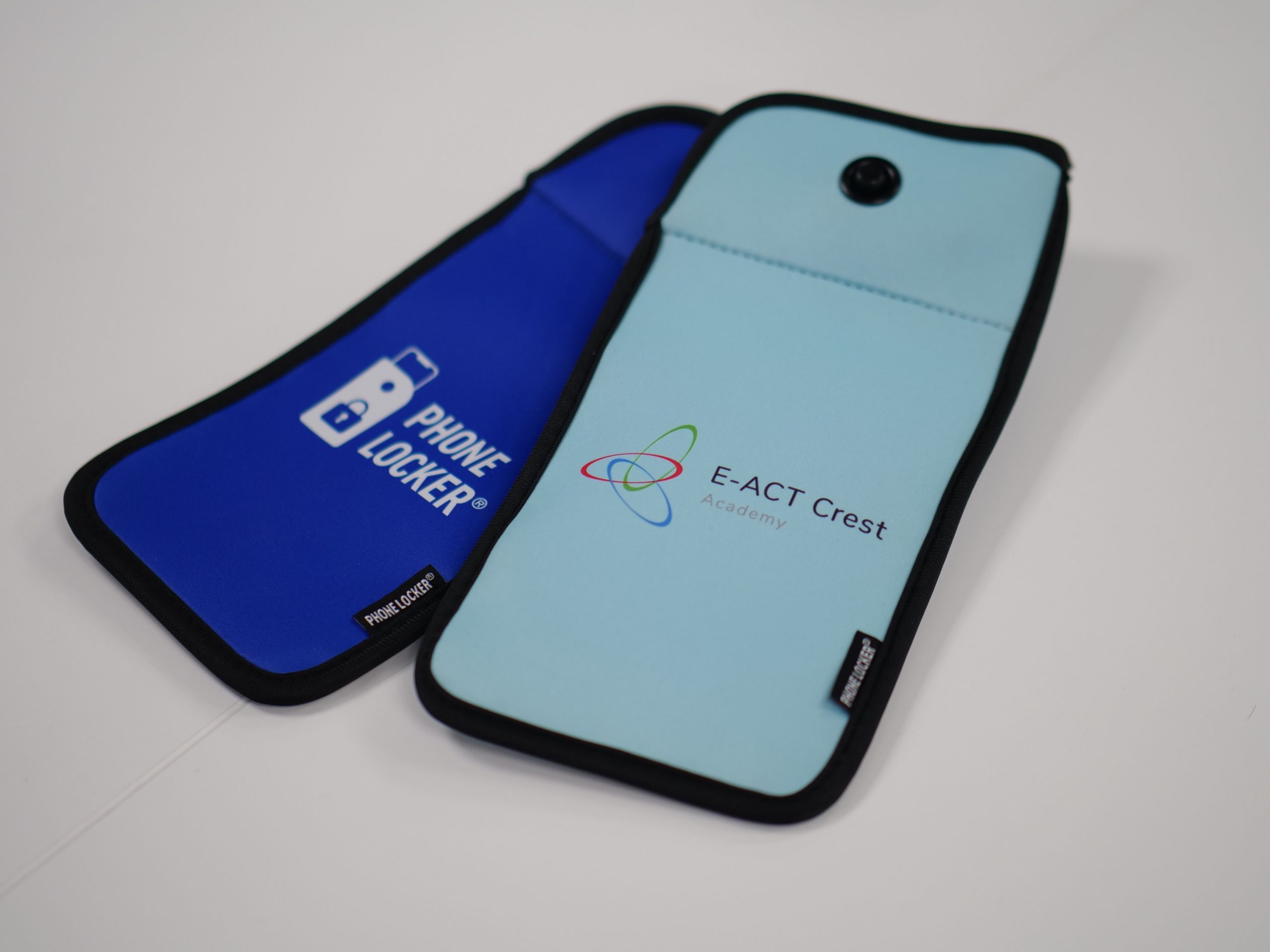
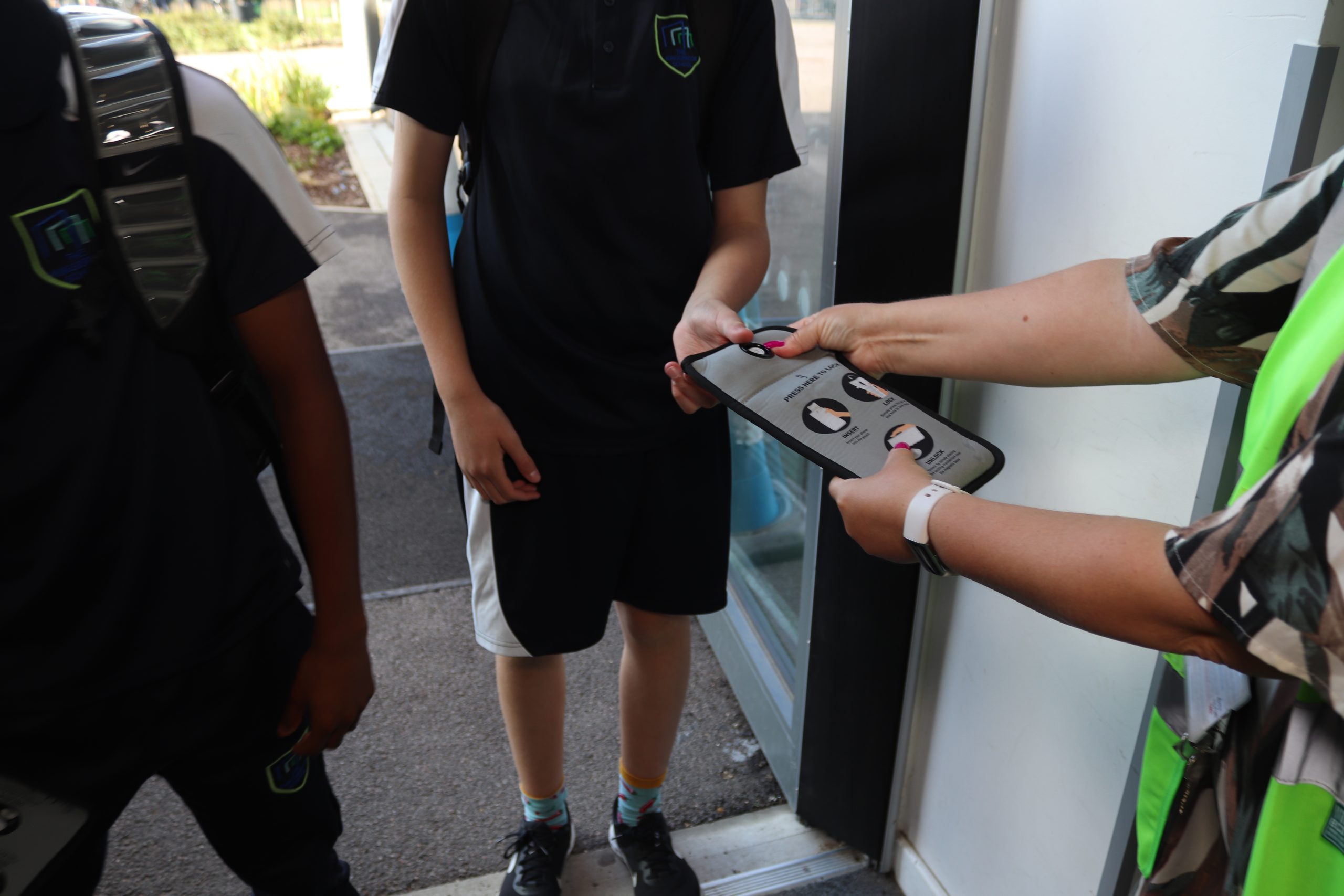
Según la nueva ley, las escuelas deben revisar sus directrices internas para implementar la prohibición de forma efectiva. Esto incluye definir cómo y dónde se almacenan los dispositivos durante el horario escolar, lo cual podría ser... Bolsas con cierre para el teléfono, estableciendo expectativas claras y comunicando las normas a padres y alumnos. Cataldo destacó el importante papel del liderazgo escolar en la definición de la aplicación de la política a nivel local.
Si bien la regulación se centra específicamente en el tiempo curricular, muchas escuelas ya están probando enfoques que restringen el uso del teléfono de manera más amplia, incluidas iniciativas de bloqueo de señal y períodos estructurados sin teléfono para alentar la participación de los estudiantes y la interacción social.
Una tendencia más amplia en las políticas de bienestar digital
La iniciativa de Chile refleja una tendencia internacional más amplia: educadores y legisladores están replanteando cómo la tecnología digital se integra en la educación. Ante preocupaciones que abarcan desde la distracción y la disminución de la concentración hasta los impactos en la salud mental, los países están explorando maneras de equilibrar los beneficios de la tecnología con la necesidad de entornos que fomenten el aprendizaje profundo y la conexión humana.
Cuando comience el año escolar 2026, Chile se unirá a un número cada vez mayor de naciones que están tomando medidas legislativas para dar forma a las experiencias en el aula de manera que prioricen la concentración, la participación y el bienestar de los estudiantes.
Si buscas una solución para tu colegio en Chile, Phone Locker® podría serlo. Ponte en contacto con nuestro equipo y le guiaremos a través del proceso.



 Spanish
  English
  Portuguese
  French
  Italian
  German
  Chinese