

Alors que les écoles du Royaume-Uni explorent des moyens de réduire les distractions numériques et d'améliorer le bien-être des élèves, les récents essais de restriction des téléphones portables en Écosse fournissent de précieux enseignements concrets.
Plusieurs établissements secondaires écossais ont commencé à expérimenter des politiques « école sans téléphone », interdisant aux élèves d'utiliser leur smartphone pendant les heures de cours. Les premiers retours des enseignants et des chefs d'établissement indiquent que cette mesure améliore déjà la concentration en classe et réduit les perturbations.
Cependant, les données de consultation révèlent également un important fossé entre les étudiants et les adultes quant au degré de rigueur que devraient adopter les politiques relatives à l'utilisation du téléphone.
Pourquoi les écoles écossaises testent des politiques sans téléphone portable
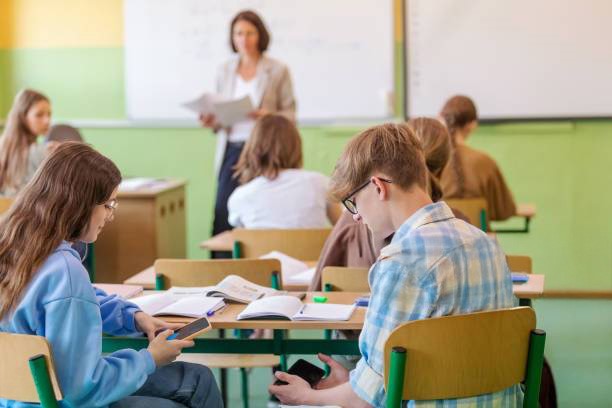
L’utilisation des smartphones chez les adolescents est devenue quasi universelle. De ce fait, de nombreux établissements scolaires sont confrontés à des difficultés croissantes concernant :
- distraction en classe
- Utilisation des réseaux sociaux pendant les cours
- Filmage et cyberharcèlement
- Messagerie pendant les heures de classe
Les directives du gouvernement écossais autorisent désormais les directeurs d'établissement à restreindre ou à interdire l'utilisation des téléphones portables dans l'ensemble de l'établissement, y compris pendant les récréations et la pause déjeuner.
Cette flexibilité a conduit plusieurs conseils et écoles à expérimenter des politiques plus strictes en matière de téléphonie mobile afin de mieux comprendre leur impact sur les environnements d'apprentissage.
Comment fonctionne l'expérimentation de l'interdiction du téléphone portable en Écosse
Dans l'expérimentation la plus commentée, des établissements secondaires d'Édimbourg ont mis en place un système où les élèves placent leur téléphone dans des pochettes sécurisées au début de la journée scolaire.
Les élèves conservent leur téléphone portable, mais ne peuvent y accéder qu'à la fin des cours. Cette restriction s'applique à :
- Leçons
- Couloirs
- Temps de pause
- pauses déjeuner
L’objectif est de créer un environnement sans téléphone portable de manière constante, en éliminant la tentation permanente des notifications, des réseaux sociaux et des messages pendant la journée scolaire.BBC News)
Les résultats du sondage révèlent un fort soutien de la part du personnel et des parents.
Les consultations menées lors de la mise en place des restrictions téléphoniques ont révélé un fort soutien parmi les enseignants et les parents.
D'après les données d'un sondage rapporté par la BBC :
- 57% du personnel scolaire se sont prononcés en faveur d'une interdiction totale des téléphones portables pendant la journée scolaire.
- 54% parents ont soutenu une interdiction d'une journée complète
Cela reflète l'inquiétude croissante des adultes quant à l'impact que les smartphones peuvent avoir sur le comportement en classe, la concentration des élèves et la sécurité en ligne.
Les étudiants préfèrent des restrictions limitées.
Alors que les enseignants et les parents se sont montrés favorables à des politiques plus strictes, l'enquête a révélé un point de vue différent chez les élèves.
Les données trouvées :
- 53% d'élèves du secondaire ont soutenu les restrictions sur l'utilisation du téléphone
- Cependant, la plupart des élèves le souhaitaient accès à leurs téléphones pendant la pause et le déjeuner
Seulement 31 % des élèves se sont prononcés en faveur d'une interdiction totale des téléphones portables pendant toute la journée scolaire..
Cela met en lumière le défi auquel de nombreuses écoles sont confrontées : concilier les préférences des élèves et la nécessité de créer un environnement d’apprentissage ciblé.
Les téléphones portables demeurent une source majeure de distraction en classe
Des recherches plus approfondies montrent à quel point les perturbations causées par les téléphones portables sont devenues courantes dans les écoles.
D'après les enquêtes comportementales :
- 88% du personnel des écoles secondaires signale que des élèves utilisent leur téléphone au moins une fois par jour alors qu'ils ne le devraient pas.. (parlement.scot)
Même lorsque les téléphones ne sont pas utilisés activement, la présence d'un appareil sur un bureau peut réduire la concentration en raison des notifications et de la tentation de consulter les messages.
Supprimer l'accès au téléphone pendant la journée scolaire permet donc de lutter à la fois contre les distractions directes et les interruptions numériques constantes.
Premiers bénéfices signalés par les écoles
Les écoles participant à l'essai ont déjà fait état de plusieurs avantages initiaux suite à la mise en place de politiques sans téléphone portable.
Les enseignants ont constaté des réductions dans :
- Messagerie pendant les cours
- Consulter les réseaux sociaux en classe
- Des étudiants filment leurs camarades sans autorisation
- Perturbation causée par les notifications
Certaines écoles ont également fait état de classes plus calmes et d'une participation accrue des élèves pendant les cours.
Les pauses sans téléphone favorisent les interactions sociales.
Un résultat inattendu constaté par de nombreuses écoles sans téléphone portable est un changement dans la façon dont les élèves passent leurs récréations.
Sans téléphone à disposition, les élèves sont plus susceptibles de :
- Parlez en face à face
- Participez aux jeux et aux activités
- Socialisez avec des groupes d'amis plus larges.
Pour les enseignants, ce retour à l'interaction dans le monde réel est un avantage important des environnements scolaires sans téléphone.
Une tendance croissante en Écosse et au Royaume-Uni
L'expérimentation menée à Édimbourg s'inscrit dans un mouvement plus large visant à restreindre l'utilisation des smartphones dans les écoles.
À travers le Royaume-Uni :
- 90% des écoles secondaires ont déjà une politique relative aux téléphones portables.. (Semaine scolaire)
Cependant, de nombreuses écoles autorisent encore les appareils à rester dans les sacs ou les poches, ce qui peut rendre l'application de cette règle difficile.
Par conséquent, de plus en plus d'écoles explorent systèmes structurés sans téléphone qui suppriment totalement l'accès aux appareils pendant la journée scolaire.
Ce que les écoles peuvent apprendre de l'expérience écossaise
Les premiers résultats mettent en lumière plusieurs enseignements clés pour les écoles qui envisagent une politique sans téléphone portable.
1. Les politiques à l'échelle de l'établissement sont plus faciles à appliquer.
Des règles uniformes tout au long de la journée scolaire apportent de la clarté aux élèves et au personnel.
2. Supprimer l'accès réduit les distractions
Limiter l'utilisation du téléphone pendant les cours ne suffit peut-être pas à éliminer la sollicitation constante des notifications.
3. Le soutien des adultes aux restrictions d'utilisation du téléphone est fort.
Les parents et les enseignants reconnaissent largement l'impact des smartphones sur les environnements d'apprentissage.
4. Les étudiants restent favorables à un certain accès
De nombreux élèves préfèrent des restrictions plutôt qu'une interdiction totale, notamment pendant les récréations.
L'avenir des écoles sans téléphone
Les essais écossais de restriction de l'utilisation des téléphones portables apportent des preuves concrètes et précieuses au débat sur les smartphones dans l'éducation.
Si les avis divergent quant à la rigueur des politiques à adopter, ces essais témoignent d'une reconnaissance croissante du fait que la gestion de l'utilisation des smartphones constitue désormais un défi majeur pour les établissements scolaires.
À mesure que de plus en plus d'écoles expérimentent des systèmes structurés, environnements d'apprentissage sans téléphone pourrait devenir une caractéristique de plus en plus courante de l'éducation moderne.








 French
  English
  Spanish
  Portuguese
  Italian
  German
  Chinese