

Partout en Europe, les gouvernements instaurent de plus en plus d'interdictions de téléphones portables à l'école ou renforcent les règles d'utilisation des smartphones pendant les heures de classe. L'objectif est de réduire les distractions numériques, d'améliorer la concentration en classe et de favoriser le bien-être des élèves.
Les recherches et les débats sur les politiques éducatives ont mis en lumière les inquiétudes liées à l'accès constant aux smartphones, qui peut affecter la capacité de concentration, les résultats scolaires et les interactions sociales des élèves. En conséquence, de nombreux pays européens instaurent des restrictions nationales ou encouragent les établissements scolaires à mettre en œuvre des mesures spécifiques. sans téléphone politiques.
Le mouvement s'accélère en 2026, plusieurs gouvernements appliquant des interdictions ou prévoyant de nouvelles législations.
Pays d'Europe ayant instauré des interdictions ou des restrictions nationales concernant l'utilisation des téléphones portables à l'école
France
La France a été l'un des premiers pays d'Europe à instaurer une interdiction nationale des téléphones portables à l'école. Depuis 2018, leur utilisation est interdite aux élèves jusqu'à 15 ans pendant les heures de classe, dans les écoles primaires et les collèges.
Italie
L'Italie a interdit pour la première fois les téléphones portables dans les salles de classe en 2007. Cette politique a depuis été renforcée, avec des restrictions s'appliquant dans les écoles primaires et secondaires, sauf si les appareils sont utilisés à des fins éducatives supervisées.
Pays-Bas
Les Pays-Bas ont introduit en 2024 une politique nationale interdisant les smartphones, les tablettes et les montres connectées dans les salles de classe afin de réduire les distractions et d'améliorer les conditions d'apprentissage.
Belgique
La Belgique a introduit des restrictions sur l'utilisation des smartphones dans certains systèmes éducatifs et certaines régions, les écoles mettant de plus en plus souvent en œuvre leurs propres interdictions.
Grèce
La Grèce a instauré des règles nationales encadrant l'utilisation des téléphones portables dans les écoles, avec des restrictions sur la manière dont les appareils peuvent être utilisés pendant les cours.
Finlande
La Finlande a renforcé l'autorité des établissements scolaires afin de restreindre l'utilisation des smartphones en classe grâce à une législation introduite en 2023.
Pays qui envisagent ou débattent d'interdictions de téléphones portables
Plusieurs pays européens envisagent actuellement une législation similaire face aux inquiétudes croissantes concernant le temps passé devant les écrans et le bien-être des élèves.
Pologne
La Pologne prévoit d'interdire l'utilisation des téléphones portables dans les écoles primaires à partir du 1er septembre 2026, ciblant les élèves âgés de 7 à 15 ans.
Espagne
L'Espagne a instauré des restrictions régionales dans les écoles et envisage des politiques nationales plus larges pour réglementer l'utilisation des smartphones chez les élèves.
République tchèque
La République tchèque a débattu de règles nationales, mais les recours juridiques font que les politiques sont actuellement mises en œuvre principalement au niveau des écoles individuelles.
Pourquoi les gouvernements prennent des mesures
Partout en Europe, les décideurs politiques invoquent plusieurs raisons pour justifier son introduction. Interdiction des smartphones dans les écoles:
- Améliorer la concentration et les performances scolaires
- Réduire les perturbations en classe
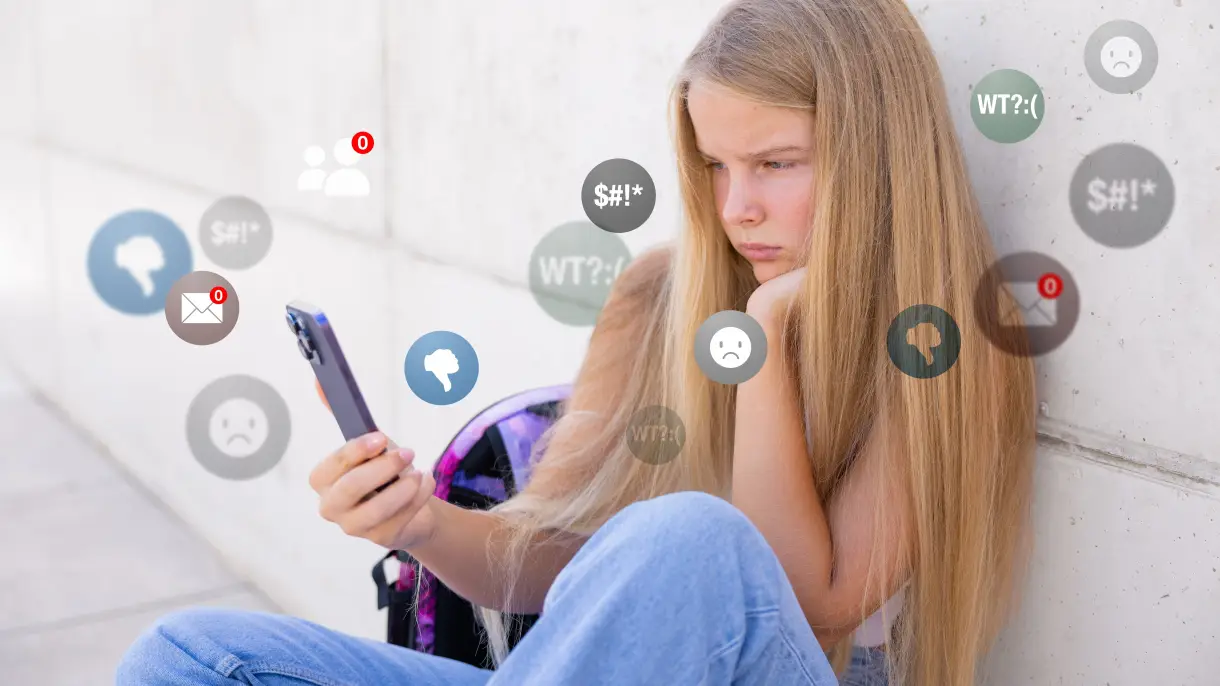
- Limiter le cyberharcèlement pendant la journée scolaire
- Encourager les interactions directes entre les étudiants
- Soutenir la santé mentale et réduire le temps d'écran excessif
Les organisations éducatives et les instances internationales recommandent de plus en plus de limiter l'utilisation des smartphones dans les écoles dans le cadre de stratégies plus larges de bien-être numérique.
Un changement de politique continu
La multiplication des politiques nationales indique que les écoles sans téléphone portable tendent à se généraliser en Europe. Si les méthodes de mise en œuvre varient – de l'interdiction en classe à la journée entière sans téléphone –, la tendance est claire.
Pour de nombreux systèmes éducatifs, le débat a évolué. si L'utilisation des smartphones devrait être restreinte dans les écoles. comment Ces restrictions devraient être mises en œuvre efficacement.
Avec l'adoption croissante de réglementations nationales par les pays, le mouvement européen d'interdiction des téléphones portables à l'école devrait continuer de s'étendre dans les années à venir.







 French
  English
  Spanish
  Portuguese
  Italian
  German
  Chinese