


Icelandic schools have implemented phone-free policies to address concerns over declining reading skills and increased digital distractions. With smartphone prevalence at 81% among students in grades 6-10, schools like Öldutúnsskóli and Þorlákshöfn Primary School report improved atmospheres and reduced cyberbullying since enforcing total bans. Reykjavík schools show enhanced student engagement, with 70% implementing such policies. Phone-free approaches are linked to better classroom dynamics, increased social interactions, and improved academic performance. These policies highlight the effectiveness of reducing screen time to promote educational outcomes, suggesting that further insights into these practices can offer valuable perspectives on enhancing learning environments.
Key Takeaways
- Öldutúnsskóli implemented a total phone ban in 2019, improving the school atmosphere and reducing cyberbullying.
- Þorlákshöfn Primary School’s phone ban decreased distractions and enhanced student interaction.
- Reykjavík Schools, with 70% enforcing phone-free policies, report enhanced student engagement and classroom dynamics.
- Akureyri’s Phone Pact prohibits phone use during school hours, allowing exceptions only on Fridays for grades 8-10.
- Icelandic schools’ policies are adaptable, focusing on enhancing learning and social interactions by reducing digital distractions.
Why Icelandic Schools Are Going Phone-Free
In recent years, Icelandic schools have increasingly adopted phone-free policies as a strategic response to the observed decline in students’ reading interests and skills. This initiative is rooted in evidence suggesting a correlation between increased smartphone usage and decreased reading motivation among students.
Significantly, the percentage of 10th graders who only read when necessary has climbed from 33% in 2000 to 60% today, indicating a troubling trend in student engagement with reading.
The prevalence of smartphones in schools is significant, with 81% of students in grades 6 to 10 bringing these devices to school as students progress through grades, phone usage increases, potentially contributing to screen addiction.
This trend poses challenges to maintaining classroom focus, where educational outcomes could be hindered by digital distractions.
Research involving over 15,000 Icelandic students underscores the potential impact of extensive screen time on educational performance. While a causal link between smartphone use and declining reading skills hasn’t been definitively established, the strong correlation warrants attention.
Global Perspectives on School Phone Policies
Adopting an analytical lens, the discourse around global school phone policies reveals a spectrum of approaches influenced by cultural, social, and educational priorities. Different nations showcase varied strategies in balancing the benefits and drawbacks of smartphone usage within academic settings. For example, France has implemented stringent smartphone policies by banning them in schools, while Finland champions digital literacy and views such bans as constraints on freedom of speech. The objective of these policies often revolves around enhancing student engagement and ensuring policy effectiveness through tailored approaches.
| Country | Approach | Objective |
| France | School-wide phone ban | Minimize distractions |
| Finland | Emphasis on digital literacy | Freedom of speech |
| Iceland | Prohibition in classrooms | Manage student focus |
| Italy | Classroom phone ban | Enhance learning quality |
In Iceland, schools often prohibit phones in classrooms, fostering student engagement and allowing for better technology integration into teaching methodologies. This highlights the complexities in formulating smartphone policies that align with educational goals while addressing potential distractions. The effectiveness of these policies is contingent on their adaptability to local contexts, aiming to optimize both educational outcomes and the holistic development of students. As the global landscape continues to evolve, a nuanced understanding of these diverse approaches becomes essential.
Case Studies of Icelandic Schools
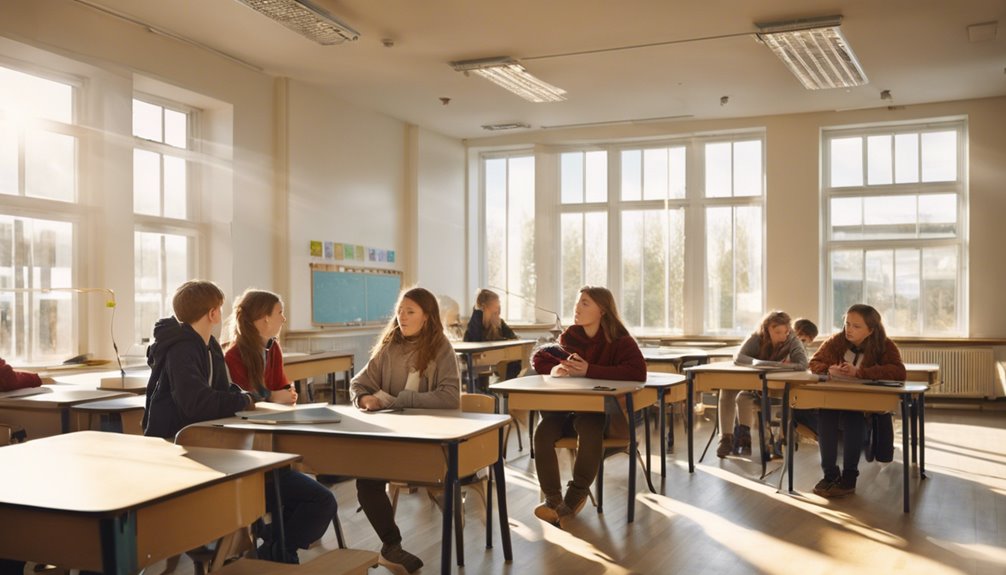
A detailed examination of Icelandic schools, such as Öldutúnsskóli and Þorlákshöfn Primary Schools, highlights varying approaches to phone-free policies, reflecting broader national trends.
Reykjavík primary schools have implemented specific restrictions, while Akureyri’s phone-free pact in elementary schools exemplifies a collective commitment to minimizing distractions and enhancing educational focus.
These case studies illustrate the diverse methodologies adopted within Iceland to balance the benefits and challenges of smartphone use in educational environments.
Öldutúnsskóli and Þorlákshöfn Primary Schools
Öldutúnsskóli and Þorlákshöfn Primary Schools stand as prominent examples of Icelandic institutions that have adopted phone-free policies to address the challenges posed by smartphone use in educational environments. Öldutúnsskóli, pioneering this approach since 2019, has reported significant improvements in school atmosphere and a reduction in cyberbullying incidents during school hours as a direct result of its extensive phone ban. The Öldutúnsskóli policies, which cover all year groups from 1st to 10th grade, underscore a commitment to fostering a conducive learning environment. This strategy has been linked to enhanced student behavior and a more focused school environment.
Similarly, Þorlákshöfn Primary School’s implementation of a total ban on student phone use has been noted for its impact. The phone-free policy is correlated with decreased distractions and improved student interaction. Both schools highlight the importance of phone alternatives, such as promoting face-to-face communication and traditional learning tools, to support educational objectives.
| School | Policy |
| Öldutúnsskóli | Total phone ban |
| Þorlákshöfn | Total phone ban |
| Focus Areas | School environment |
| Alternatives | Face-to-face communication |
These initiatives illustrate the potential benefits of strict smartphone regulations within educational settings.
Reykjavík Primary Schools
Building on the success of phone-free policies evident in Öldutúnsskóli and ÞorlákshöfnPrimary Schools, Reykjavík’s primary schools have also embraced similar strategies to mitigate the challenges associated with smartphone use in educational settings.
Specifically, 70% of primary schools in Reykjavík enforce phone-free policies, resulting in enhanced student engagement and improved classroom dynamics. These measures are designed to minimizedigital distractions, which can detract from learning outcomes. In these schools,phones are requiredto be turned off and stored in students’ bags, a rule that is regularly reinforced by teachers.
The effectiveness of this approach is further bolstered by parental involvement. When students fail to comply with phone storage rules, educators confiscate the devices, requiring parents to retrieve them.
This parental intervention fosters a collaborative environment between schools and families, reinforcing the importance of maintaining focus in educational settings. Such strategies underscore the need for clear guidelines and consistent enforcement to optimize classroom conditions.
Akureyri Phone-free Pact in Elementary Schools
In a strategic effort to enhance the educational environment, elementary schools in Akureyri have rolled out the “phone pact” to address the challenges posed by smartphones in academic settings. This initiative, effective from August, aims to foster a peaceful working environment, improve student engagement, and positively influence classroom dynamics.
By prohibiting phone use during school hours, except on Fridays for students in grades 8-10 during recess, the pact seeks to mitigate distractions and promote better concentration.
The phone-free policy also underscores the importance of parental involvement. Parents are encouraged to support the initiative by reinforcing the benefits of reduced screen time, such as improved mental health and enhanced social interactions.
This collaborative approach aims to create a unified front in addressing the adverse effects of technology overuse.
Moreover, the schools are exploring technology alternatives to maintain engagement without relying on smartphones. This includes integrating tools that enhance learning without compromising focus.
The Akureyriphone pact represents a controlled approach to managing technology in educational settings, balancing the need for digital literacy with the imperative of fostering a conducive learning environment.

Benefits of Reducing Mobile Phone Usage in Schools
Reducing mobile phone usage in schools has demonstrable benefits that extend beyond merely minimizing distractions. Key among these is the enhancement of student concentration, which directly contributes to improved academic performance. By eliminating the constant allure of smartphones, students can focus more intently on classroom engagement, thereby fostering a more conducive learning environment. This increased attention to educational tasks can lead to better understanding and retention of material, ultimately resulting in higher academic achievement.
Furthermore, reducing phone usage can markedly boost social interaction among students. Without the barrier of screens, students are more likely to engage in face-to-face communication, promoting stronger interpersonal relationships and collaboration skills. This is critical for developing the social competencies necessary for future success.
Additionally, there are substantial mental health benefits associated with reduced phone usage. Limiting exposure to social media and online pressures can alleviate anxiety and stress among students, contributing to a healthier school environment.
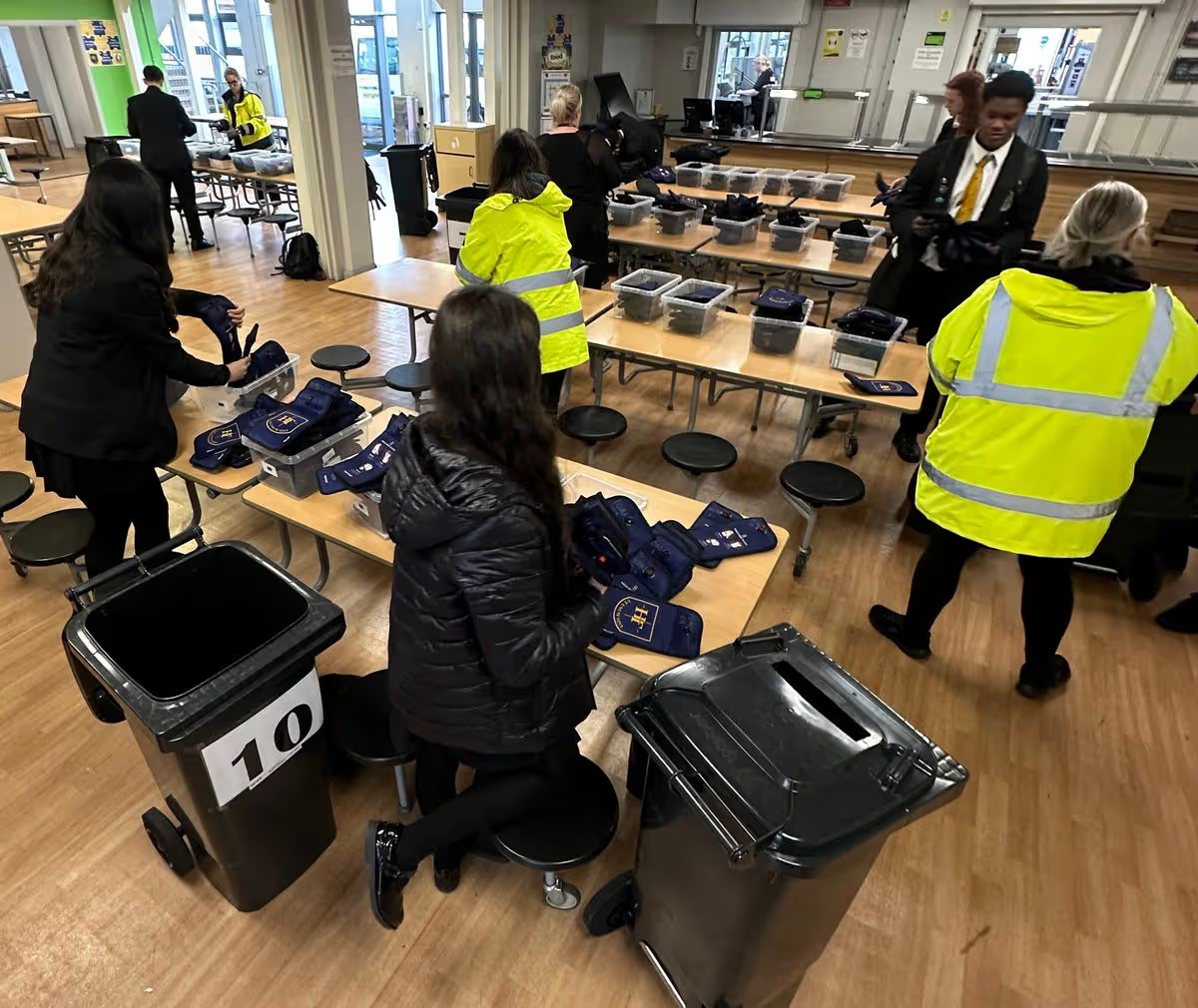
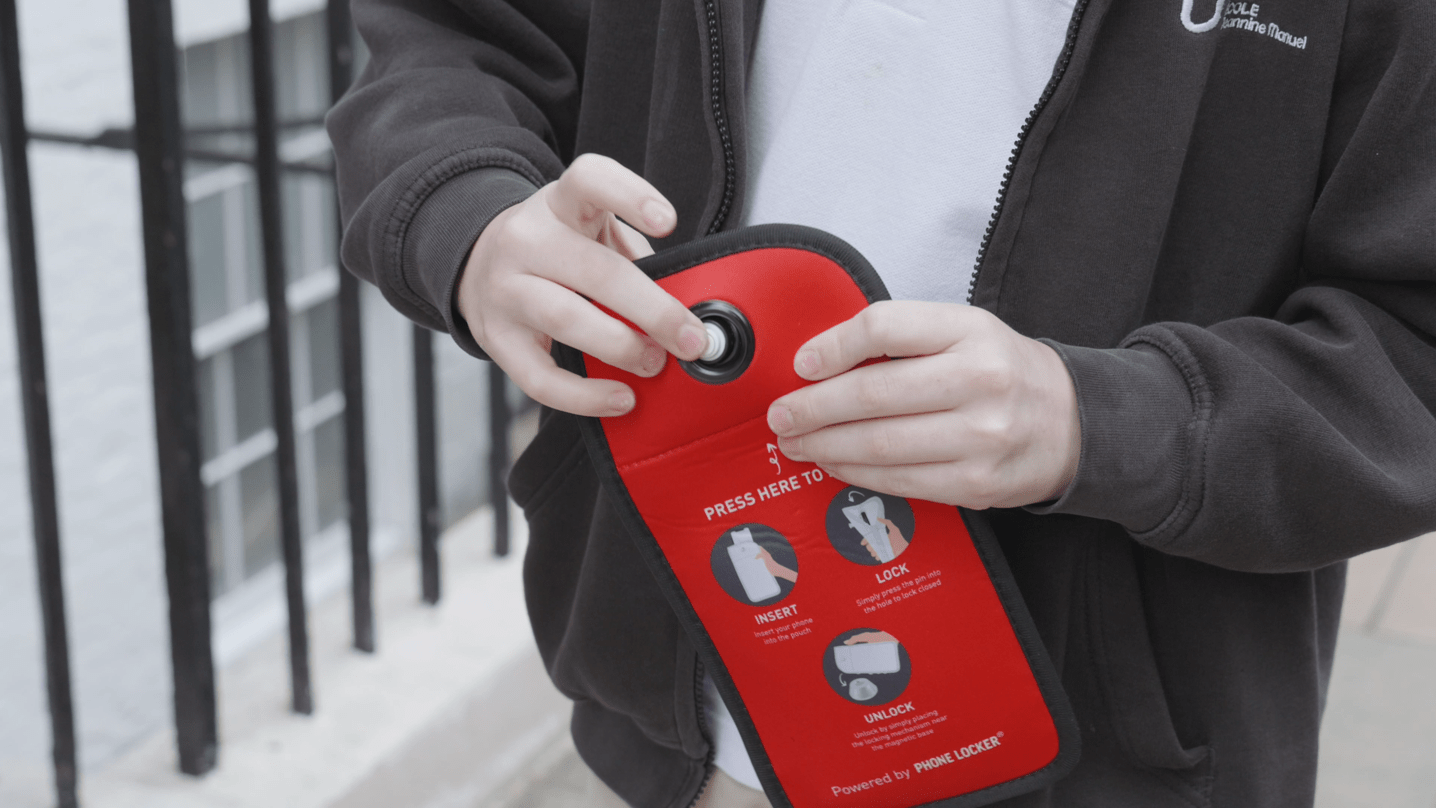
The use of lockable phone pouches, as seen in some Icelandic schools, provides a practical solution to enforcing these policies, ensuring a structured approach to minimizing distractions while maintaining accessibility when needed. Overall, these measures create a balanced framework for student development.
The Importance of Education on Smart Device Usage
While the debate over smartphone bans in schools continues, the importance of educating students on smart device usage cannot be overstated. Integrating educational strategies focused on responsible usage and digital etiquette into the curriculum is essential. Research indicates that teaching students how to manage their digital lives prepares them for a world increasingly reliant on technology. By fostering addiction awareness, educators can mitigate potential negative impacts on students’ attention spans and overall well-being.
Addressing the social interactions facilitated by smart devices is another critical component. Schools can create structured environments where students learn to balance face-to-face communication with digital exchanges. Such education equips students to navigate the complexities of modern social landscapes, enhancing their interpersonal skills.
Furthermore, implementing educational strategies that promote self-regulation empowers students to exercise control over their device usage. This approach is more sustainable than outright bans, which may lead to resistance or covert usage.
Evidence suggests that when students are actively involved in discussions about their digital habits, they develop better self-control and decision-making skills. Ultimately, equipping students with these tools not only enhances their educational experience but also prepares them for future challenges in an ever-evolving digital world.
Frequently Asked Questions
How Do Students Feel About the Phone-Free Policy?
As the saying goes, “every cloud has a silver lining.” Student reactions to phone-free policies reveal mixed perceptions; some appreciate enhanced academic focus and social interactions, while others express concerns, echoed by varied parental opinions.
What Alternatives Are Provided for Communication During School Hours?
In addressing communication during school hours, alternative methods include enhanced student interaction opportunities, structured teacher-student communication frameworks, and effective parental engagement strategies. Emergency contact protocols guarantee timely responses, maintain communication efficiency, and address safety concerns.
Are There Exceptions for Emergency Phone Use?
Emergency situations, parental contact, and health emergencies necessitate policy exceptions. School protocols typically allow limited phone use under strict supervision, ensuring safety and communication without compromising educational integrity. Such measures provide a controlled environment during critical incidents.
How Is the Phone-Free Policy Enforced?
Enforcement of phone-free policies involves phone monitoring techniques, student compliance strategies, and classroom engagement methods. Parental feedback channels and teacher training programs are critical, ensuring students adhere to rules and maintain focus, minimize distractions, and foster an ideal learning environment.
What Challenges Have Schools Faced Implementing This Policy?
Schools face challenges in implementing phone-free policies, including teacher resistance, student adaptation difficulties, parental concerns about technology reliance, and potential impacts on academic performance. These issues underscore the complexity of balancing digital access with educational objectives.
Conclusion
The phone-free policies in Icelandic schools underscore an educational philosophy prioritizing focus and cognitive development by minimizing digital distractions. Evidence from a case study at Reykjavik Secondary School illustrates improved student engagement and academic performance following the implementation of these policies. This approach serves as a valuable model for global educational institutions addressing similar challenges. As digital technology continues to permeate daily life, evaluating its role in educational settings remains essential for fostering effective learning environments.





 English
  Spanish
  Portuguese
  French
  Italian
  German
  Chinese