


Across the world, conversations about young people and social media are shifting and Indonesia has just taken a huge step. With new regulations coming into force, the country is preparing to restrict access to major platforms for anyone under 16. It’s a move that has sparked concern, relief, debate and a lot of questions.
If you work with young people or care about digital wellbeing, here’s what you need to know about Indonesia’s new approach and why it’s part of a much bigger global trend.
A First for Southeast Asia
Indonesia will become the first country in Southeast Asia to restrict social media access for under‑16s, following Australia’s world‑first ban. The regulation takes effect from 28th March and it’s expected to impact tens of millions of young people.
The decision comes amid rising concerns about:
- Online pornography
- Cyberbullismo
- Online fraud
- Internet addiction
- The psychological impact of algorithm‑driven content feeds
Officials say the goal is simple – to protect children from increasingly real digital threats.
What Is Being Banned?
Under the new rules, children under 16 will no longer be allowed to have accounts on a wide range of platforms, including TikTok, Instagram, Facebook, YouTube, X (formerly Twitter), Roblox and Bigo Live.
These platforms have been classified as “high‑risk” due to their design features such as infinite scroll, autoplay and engagement‑driven algorithms which can encourage excessive use and make it harder for young people to disconnect.
Accounts belonging to under‑16s will be gradually deactivated starting 28th March.
How Platforms Are Responding
Major platforms are already adjusting to comply with the new law:
- Roblox is introducing new content and communication controls for Indonesian users under 16.
- X has updated its minimum age requirement in Indonesia to 16, stating that the change is mandated by law.
Other platforms are expected to follow suit as the regulation rolls out.
How Families and Young People Are Reacting
Reactions across Indonesia have been mixed.
Some parents say the ban brings relief, describing it as support they’ve long needed in managing their children’s online lives. Others, including young influencers who rely on social media for income, feel blindsided and worried about their futures. One 14 year old creator with 800,000 followers described the decision as “heartbreaking,” highlighting how deeply social media is woven into young people’s identities and livelihoods.
This tension reflects a wider global conversation: how do we protect young people without cutting them off from creativity, community, or opportunity?
Why Indonesia Says This Is Necessary
Indonesia’s government cites a sharp rise in online harms involving children. The new regulation is part of a broader child‑protection framework called PP TUNAS, introduced in 2025.
The policy focuses on reducing exposure to harmful content, limiting addictive design features, ensuring platforms take responsibility for age verification and prioritising children’s psychological wellbeing.
Officials emphasise that the digital environment has changed faster than children’s ability to navigate it safely.
Part of a Global Shift
Indonesia isn’t alone. Countries including Australia, Denmark, Malaysia, Spain, France and Italy are all moving toward stricter age‑based social media rules. Governments are no longer leaving digital wellbeing solely to families or tech companies.
Where Phone Locker® Fits In
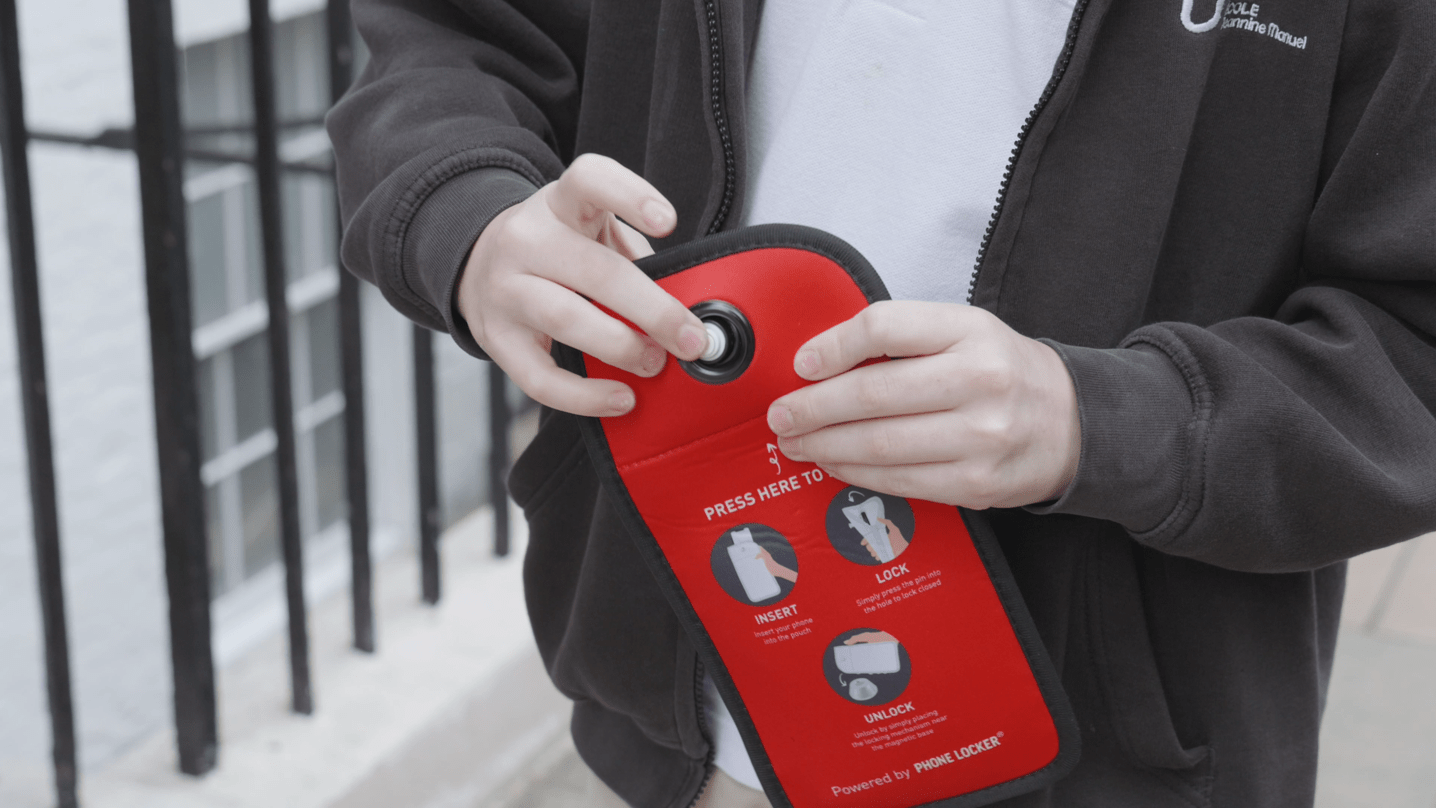
While Indonesia’s policy focuses on home and personal device use, it highlights a growing global need for structured, phone‑free environments – places where young people can be present, focused and safe.
Phone Locker® supports this shift by helping organisations:
- Reduce distraction
- Create calmer, more connected spaces
- Support healthier digital habits
- Provide consistent boundaries that complement home‑based restrictions
Whether you’re running a school, venue, youth programme, or workplace, the need for intentional, phone‑free moments is becoming clearer than ever. Get in touch today.





 Italian
  English
  Spanish
  Portuguese
  French
  German
  Chinese