

Sometimes a single voice cuts through the noise. In Fareham, that voice belonged to 15 year old student Poppy Nestor whose honest, heartfelt testimony helped sway councillors to vote in favour of a county‑wide school phone ban. Her message wasn’t dramatic or political. It was personal and that’s exactly why it resonated.
Fareham Borough Council has now formally urged Hampshire County Council to introduce a ban on mobile phones in schools, citing growing concerns about children’s mental health and the pressures of constant connectivity. But it was Poppy’s story that brought the issue to life.
“Sometimes the best choice isn’t an easy one”
Poppy stood in front of councillors and described what life has been like since she stepped away from her smartphone. She didn’t sugar‑coat it, she said it felt strange and even isolating but over time, something shifted.
She told councillors that giving up her phone helped her:
- build deeper, more meaningful friendships
- feel more confident speaking to people face to face
- reduce the pressure she felt from social media
- focus more on school and activities she enjoys
Her words painted a picture many adults recognise but rarely hear expressed so clearly by a young person.
She didn’t shy away from addressing the biggest concern parents raise either: safety.
Poppy explained that having a phone doesn’t guarantee protection, “the first thing someone would do is take the phone” and suggested alternatives like trackers if families want peace of mind.
Her message was simple, brave and deeply relatable:
Life without a smartphone isn’t easy at first, but it can be better.
Why Her Story Moved the Council
Councillors described Poppy’s testimony as “powerful” and “eye‑opening”. It wasn’t just data or policy arguments – it was a young person explaining, in her own words, how stepping back from social media changed her life.
Alongside her story, councillors highlighted:
- rising mental health concerns among children
- the speed at which young people can access harmful content
- the impact of late‑night scrolling on sleep and wellbeing
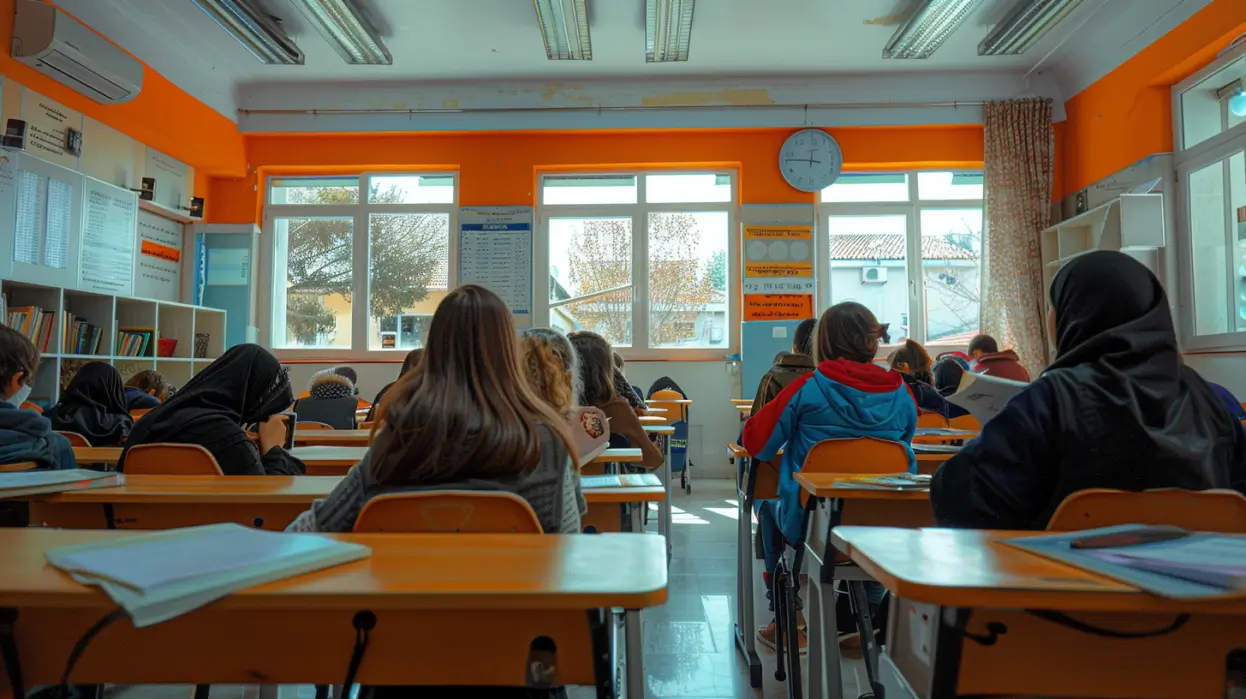
- the daily disruption phones cause in classrooms
- the pressure young people feel to be constantly online
Councillor Frair Burgess, who proposed the motion, said the goal is to protect children’s health and safety – not to demonise technology but to respond to the reality young people are living in.
Councillor Pal Hayre added that parents across the borough are increasingly worried about the impact of phones on their children’s wellbeing, behaviour and confidence.
Why Poppy’s Voice Matters
Young people are often spoken about in debates like this but rarely heard.
Poppy changed that.
Her experience reflects what many teenagers quietly feel but struggle to articulate: that social media can be overwhelming, addictive and emotionally draining and that stepping away, even temporarily, can feel like a breath of fresh air.
Her courage in sharing her story publicly helped shape a meaningful local decision and it’s likely to inspire similar conversations in other communities.
How Phone Locker® Supports What Poppy Described
Poppy’s experience mirrors what we hear from schools and young people across the UK. When phones are removed from the school day, students often say they feel calmer, more focused, less pressured and more connected to the people around them.
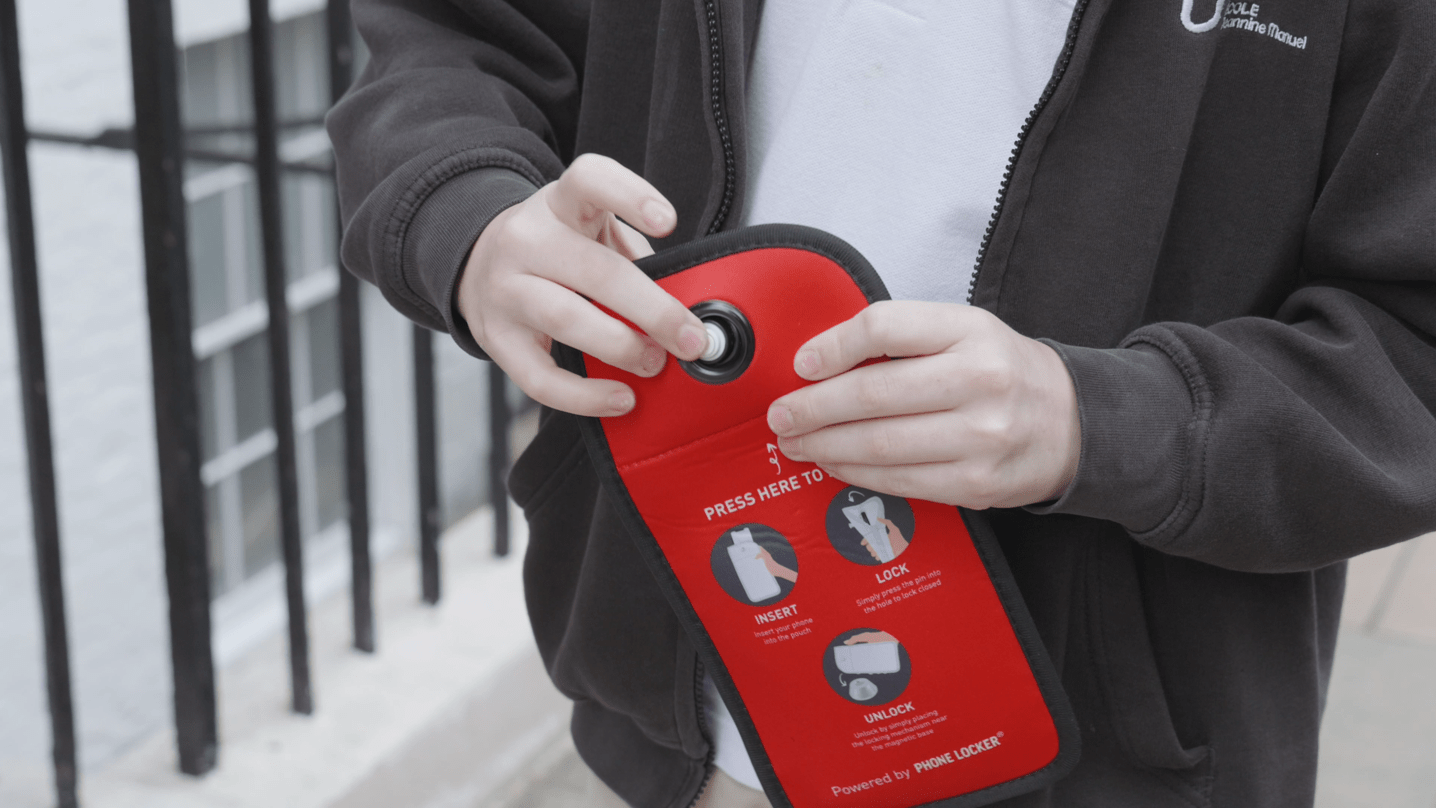
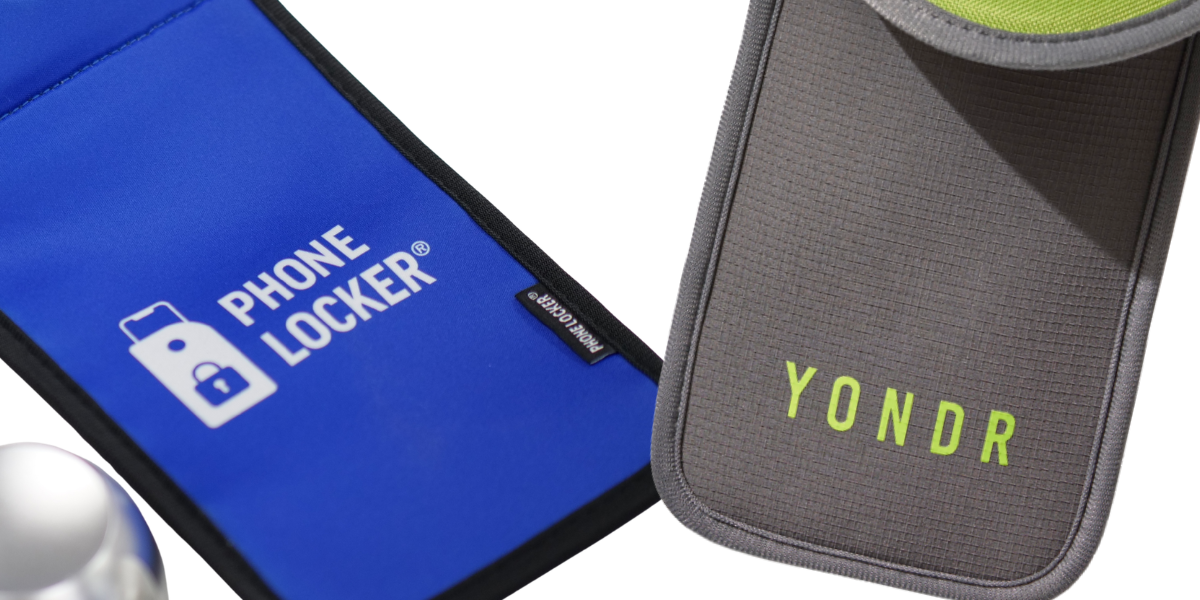
Phone Locker® gives schools a practical, consistent way to create that environment without relying on constant monitoring or confrontation. It supports the exact outcomes Poppy described: stronger friendships, better concentration and a healthier relationship with technology.
If you’re ready to take the next step towards a phone‑free school day, our team can help you put a clear, consistent system in place. Reach out to learn how Phone Locker® can support your staff, students, and wider school community.



 Italian
  English
  Spanish
  Portuguese
  French
  German
  Chinese