

A curious cultural shift is happening live on stages around the world. Some of the biggest artists are asking fans to put their phones away and be present in the moment. From disposable camera‑only rules to locked‑away devices, the live show experience is undergoing a transformation.
The Phone‑Free Revolution Hits Mainstream Pop
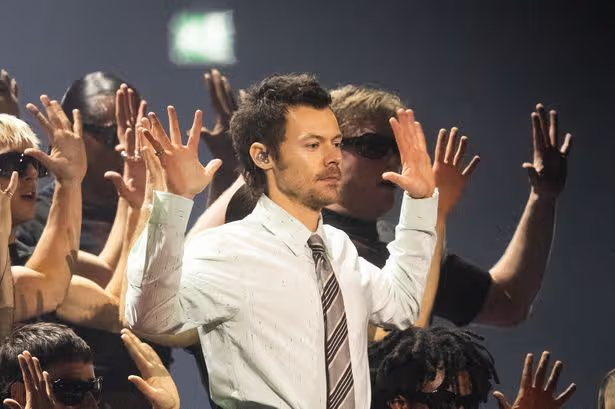
In March 2026, Harry Styles made global headlines by staging a phone‑free concert in Manchester that was filmed for Netflix’s “One Night Only” special. Fans weren’t just discouraged from recording, they were required to lock their smartphones away and were handed disposable cameras to capture memories instead. This ensured photos were analogue, unpredictable, and genuinely part of the moment rather than instant social media content.
It’s a bold move from one of pop’s biggest acts, and it reflects a wider push to reclaim presence over screens. Instead of glowing rectangles in the air, the audience becomes part of the spectacle, living and breathing con the performance rather than looking through a lens.
Legends Leading the Charge
But Styles isn’t alone. Some of music’s most enduring artists have taken a stand too:
- Bob Dylan has rolled out a no phones and no cameras policy on his recent UK and Ireland tour. Fans entering his shows are asked to put their phones in tasche chiudibili a chiave (like Phone Locker pouches) so they can’t be accessed during the performance.
- While there’s no major confirmed phone ban from Justin Bieber on the scale of Styles or Dylan, there have been select private, invite‑only shows with “no phones allowed” rules — pointing at exclusivity and intimacy becoming part of his event strategy.
This isn’t limited to pop: acts from rock to metal have toyed with phone‑free shows, and many niche venues and festival stages are experimenting with pouch‑only entrances.
Why Artists Are Turning Their Backs on Screens
So, what’s driving this trend?
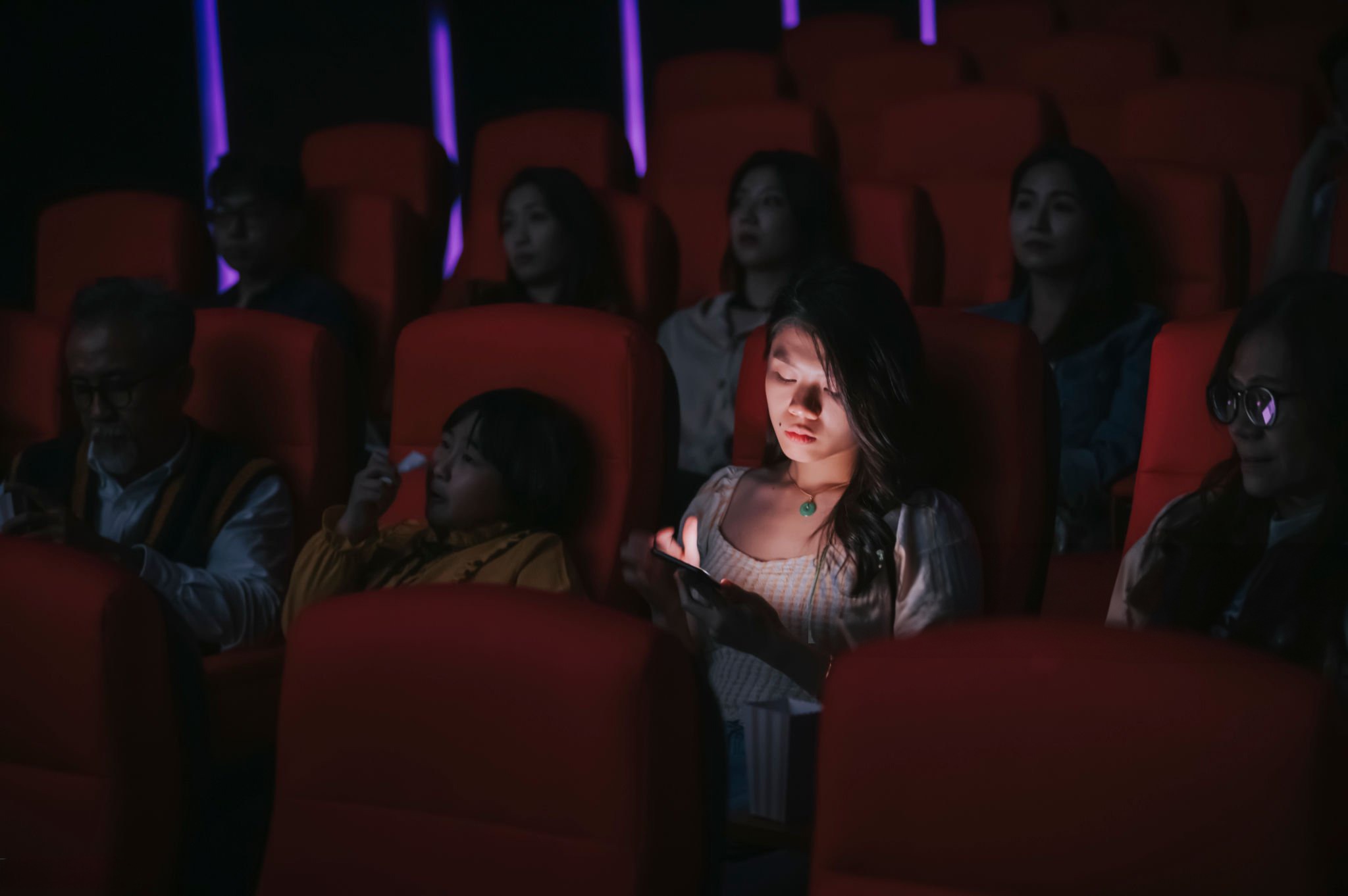
- More presence, less distraction: Many performers feel that constant phone use disrupts not just the view of the crowd but the feel of the show itself. The sea of screens becomes a barrier between the artist and audience.
- Creating unique experiences: A phone‑free show can feel like a one‑of‑a‑kind event — something that exists only in memory, not on someone’s feed.
- Addressing etiquette issues: With phones up throughout sets, there’s also a growing conversation about concert etiquette and what it means to listen live versus document live.
Artists like Madonna and Adele have experimented with phone restrictions in the past, with mixed reactions from fans, some celebrating the focus on music, others wary of limiting safety or connection.
But What Do Fans Think?
Responses to phone bans are split. Many fans love the idea of being fully in the moment, relishing every beat without distraction. Others, meanwhile, point out real concerns:
- Safety and communication: Phones are not just cameras — they’re lifelines. Being unable to call or message can be stressful in large crowds or if plans change.
- Memories vs Moments: Some concertgoers want keepsakes — and a blurry phone video can be a cherished memory. Others are happy to trust that their mind will hold the moment forever.
The debate shows no signs of cooling. In a world where phones capture everything, some people feel it’s an unnecessary rule — while others think it’s exactly what live music needed in the first place.
How does Phone Locker manage events?
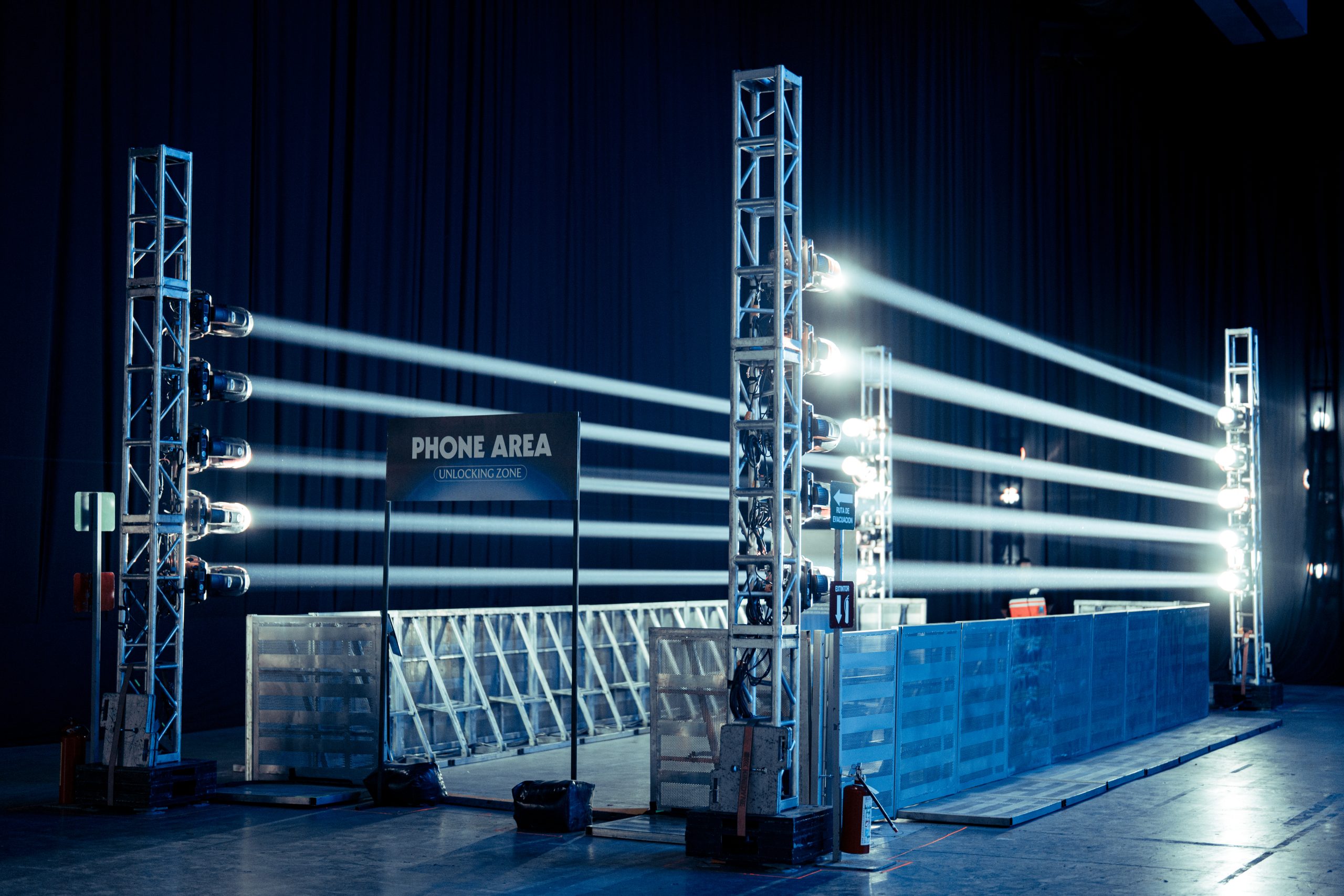
Phone Locker offers a practical way to keep phones safe, secure and out of the way — without causing stress or chaos for attendees to support the trend toward mindful concert experiences.
The lockable pouch is given to an individual and unlocked in one tap by a central magnet.
Phones aren’t disappearing from gigs entirely, but their role in the audience experience is being reimagined. And that’s a space where Phone Locker can help shape the future of live entertainment. If you’re interested to find out more, contattaci oggi.


 Italian
  English
  Spanish
  Portuguese
  French
  German
  Chinese