
Latvia Mobile Phone Ban in Schools
Latvia has instituted a mobile phone ban across schools, targeting students from preschool to Grade 6. This initiative, approved by the Saeima, is designed to boost academic focus and reduce classroom distractions caused by digital devices. The ban aims to enhance cognitive development and addresses digital emotional violence, including cyberbullying. Enforced by May 31, 2025, strategies for compliance include secure storage solutions for phones and parental involvement. The focus on minimizing screen time is part of a global trend, with countries like France and Spain adopting similar measures. Discover how these regulations impact educational dynamics further.
Key Takeaways
- Latvia’s mobile phone ban targets students from preschool through Grade 6 to enhance academic focus and minimize distractions.
- The ban is part of a legislative measure sanctioned by the Saeima, with implementation required by May 31, 2025.
- Enforcement strategies include secure lockers and lockable phone pouches to prevent unauthorized mobile phone use.
- The ban aims to improve mental health by reducing anxiety and depression linked to excessive screen time.
- Latvia joins over 60 countries with phone-free policies in schools, following trends in France, Spain, and Sweden.
Latvia Bans Mobile Phones for Students Below Grade 6
In an effort to enhance academic focus and minimize distractions, Latvia has implemented a policy banning mobile phones for students below Grade 6. This decision is rooted in the recognition that early education should prioritize student engagement and foundational learning outcomes.
Studies suggest that the presence of mobile phones in classrooms can lead to decreased concentration, negatively impacting the learning environment. By removing these potential distractions, Latvia aims to foster a more focused and interactive classroom experience.
The policy also emphasizes the importance of developing digital literacy skills in a controlled manner. By restricting mobile phone use, educators can introduce classroom technology in a more structured and purposeful way, ensuring that students acquire essential digital competencies without the interference of non-educational content.
Additionally, this approach encourages parental involvement, as parents play an important role in reinforcing the importance of responsible technology use outside school hours.
Ultimately, the ban seeks to create an educational atmosphere where students can achieve improved learning outcomes. By focusing on the core aspects of education, such as critical thinking and problem-solving, Latvia endeavors to equip its students with the skills necessary to succeed in a rapidly evolving digital world.
Scope of the ban
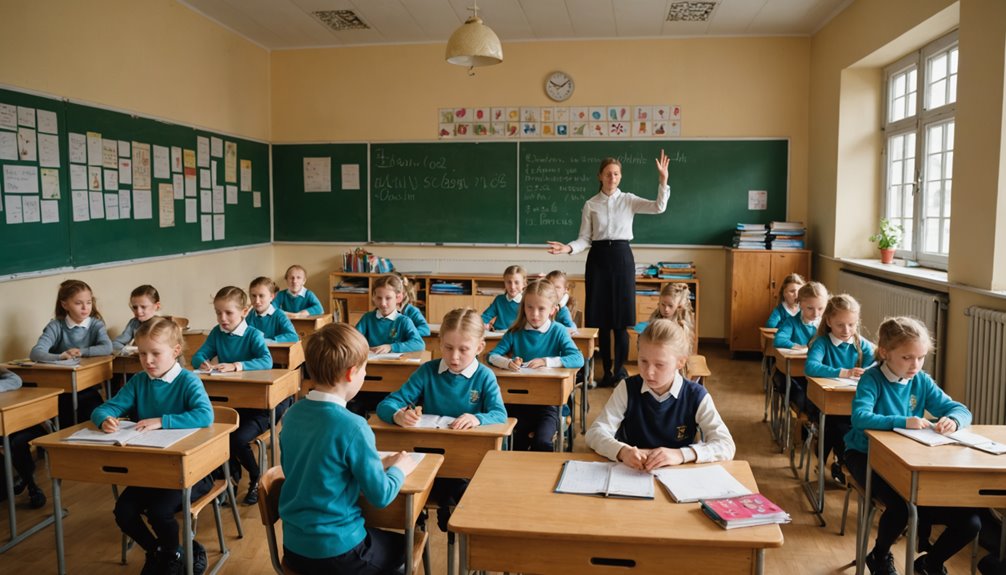
The policy regarding the prohibition of mobile phones in Latvian schools specifically targets students from preschool through Grade 6, aiming to establish a uniform approach to minimize classroom distractions. This legislative measure, sanctioned by the Saeima, reflects a broader commitment to enhancing educational impact by curbing potential disruptions associated with mobile device usage.
The ban’s scope includes allowances for mobile phone use solely when integrated into the teaching process, highlighting a balance between technological engagement and focused learning environments.
Parental involvement is anticipated to play an essential role in facilitating the shift towards this new regulation, as parents are instrumental in fostering compliance and understanding among students. The educational impact of this initiative could be significant, potentially resulting in improved concentration and academic performance.
However, technology alternatives might be explored to guarantee that students do not fall behind in digital literacy.
Student reactions may vary, with some potentially resisting this change, emphasizing the need for clear communication and support.
Enforcement challenges are inevitable, as schools will need effective strategies to monitor adherence to this policy, making sure that the desired outcomes of reduced distractions are achieved without compromising the potential benefits of technology in education.
Implementation
With the new mobile phone ban in Latvian schools poised for implementation, schools are tasked with developing internal regulations to guarantee adherence by the set deadline of May 31, 2025. This process involves addressing several implementation challenges, including ensuring teacher training is adequate to enforce the rules effectively.
Educators will need to be equipped with the skills to manage student compliance without disrupting the learning environment. Additionally, schools must explore technology alternatives that allow for necessary communication and educational activities without relying on mobile phones.
- Teacher Preparedness: Teachers must be trained to enforce the ban, balancing discipline with maintaining a supportive learning atmosphere.
- Student Adjustment: Students will need clear guidelinesand consistent reinforcement to adapt to the new rules, ensuring they understand the rationale behind the alterations.
- Alternative Solutions: Schools should identify and implement technology alternatives that support educational objectives, reducing reliance on personal mobile devices.
Effective communication strategies will be essential in this shift. Schools must articulate the benefits of minimizing distractions, enhancing focus, and achieving educational goals more efficiently.
Search of Personal Belongings
As Latvian schools move forward with implementing the mobile phone ban, attention now turns to the related issue of searching personal belongings. The recent legislative amendments enable school authorities to conduct searches when there is a perceived threat to safety, health, or life.
This development raises significant privacy concerns and prompts a need for clearly defined search protocols. The Cabinet of Ministers has been tasked with establishing these procedures by January 31, 2025, ensuring that inspection criteria are transparent and legally sound.
President Edgars Rinkēvičs, who submitted the legislative initiative, highlights the recurring issues of dangerous items being brought to schools, which have previously resulted in harmful incidents. These situations underscore the necessity for schools to have access to pertinent information about students’ health and safety, thereby informing the legal implications of conducting searches.
Balancing student rights with the need for a secure environment is vital, and the forthcoming guidelines must address this equilibrium. Ultimately, the effectiveness of any search protocol will depend on its ability to respect student rights while mitigating risks.
The establishment of clear, legally compliant procedures is essential in maintaining trust and ensuring school safety.
Reasons Behind Latvia’s School Phone Ban
Recent legislative measures in Latvia underscore a concerted effort to ban mobile phones in schools, driven by three primary objectives: reducing classroom distractions, enhancing cognitive function, and addressing digital emotional violence.
Research highlights that even the mere presence of mobile devices can detract from students’ cognitive development. By removing these digital distractions, educators aim to foster an environment more conducive to educational focus and ideal learning.
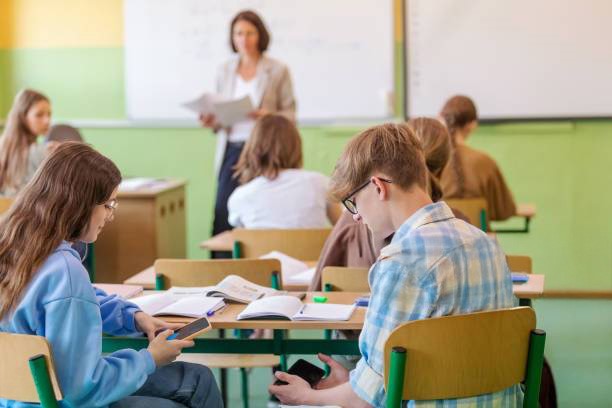
- Classroom Distractions: The proliferation of smartphones has introduced significant interruptions in the classroom environment. Notifications and social media can easily divert attention from academic tasks.
- Cognitive Development: Studies suggest that the absence of mobile phones can enhance students’ cognitive capabilities, enabling them to process information more effectively and engage more fully with educational materials.
- Digital Emotional Violence: The risk of emotional violence, including cyberbullying, underscores the necessity for such a ban. By limiting mobile phone use, schools aim to create a safer, more inclusive atmosphere for all students.
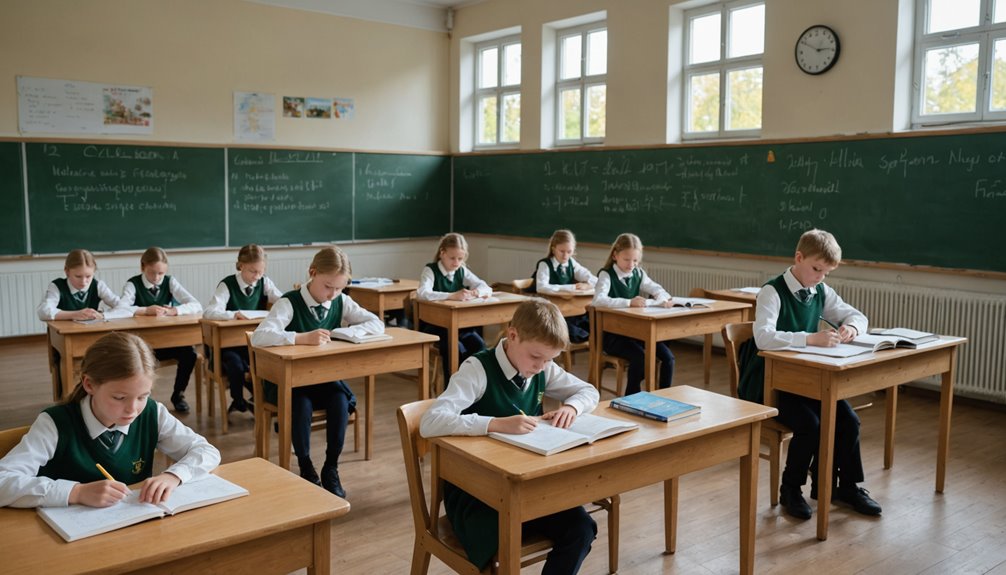
Benefits of Mobile Phone Bans in Schools
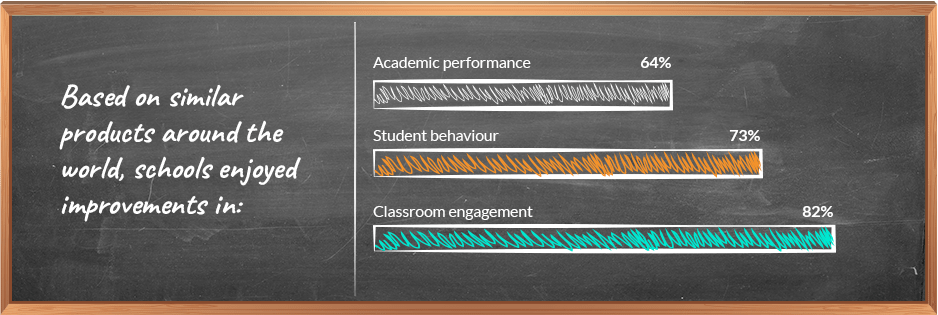
Removing mobile phones from schools can greatly enhance the educational environment by minimizing distractions and improving student focus. Evidence suggests that distraction reduction is directly linked to increased student engagement, as students are less likely to be sidetracked by non-educational content during class. This heightened focus can lead to significant improvements in academic performance, as students can better absorb and process information presented in lessons.
Furthermore, the absence of mobile phones fosters improved social interaction among students. Without the constant pull of digital screens, students are more inclined to engage in face-to-face communication, which is essential for developing interpersonal skills and building a supportive classroom community. This increase in direct social interaction can also have positive implications for students’ mental health, reducing feelings of isolation often exacerbated by digital overuse.
Moreover, the ban aligns with growing concerns about the impact of mobile phones on mental health, particularly in adolescents. Limiting phone usage in schools can help mitigate issues related to anxiety and depression linked to excessive screen time.
Ultimately, the implementation of mobile phone bans in schools can provide a controlled environment that prioritizes student engagement, enhances academic performance, and supports overall well-being.
Practical Solutions for Enforcing the Ban
At Phonelocker, we know that simply mandating a phone ban isn’t enough — successful enforcement hinges on consistency, transparency, and smart design. Our solutions combine physical infrastructure, behavior change, and technology to make compliance seamless and sustainable.
1. Secure storage with Phonelocker: Our patented lockable pouches and smart magnetic unlocking system allow students to retain possession of their phones while preventing access during school hours.
-
Each pouch locks with a magnetic seal and is only unlocked using a dedicated magnetic base — either at the classroom or centralized point.
-
We also offer signal-blocking and non-signal versions to suit different use cases or emergency-access requirements.
2. Empower Teachers: We support schools through in-depth training so that educators feel confident enforcing the policy while maintaining fairness and consistency.
3. Engage Students: We help schools roll out student engagement programs that explain why the ban matters — reducing attention-grabbing conflicts and increasing voluntary cooperation.
4. Leverage Data: Phonelocker’s system isn’t just physical — it offers operational visibility. Administrators can track usage patterns and compliance rates, allowing timely interventions and iterative refinements.
5. Communicate Clearly: A structured communication plan for parents, faculty, and students is essential. We provide templates and messaging guidance to make rollout smooth, transparent, and well-received.
Combined, these elements form a robust enforcement framework that keeps focus high and distractions low — enabling schools to pursue their educational mission without friction.

Phone-Free Policies Around the World
Across the globe, the incorporation of phone-free policies in schools reflects a growing recognition of the potential distractions posed by mobile devices in educational settings. A diverse array of strategies has emerged, each tailored to address the unique challenges of digital distractions while enhancing student engagement.
Countries such as France, Spain, and Sweden lead these global trends by implementing extensive bans or restrictions on smartphone use in classrooms, aiming to mitigate their negative educational impact.
In France, a complete ban is enforced, with exceptions for students with disabilities, underscoring a commitment to inclusivity alongside policy effectiveness. Similarly, Spain has approved recommendations limiting phone use to pedagogical or medical needs, aligning with an educational focus.
Sweden’s restriction on digital devices during school hours, replacing them with printed materials, highlights a strategic shift towards traditional learning methods.
Partial or total bans are also seen in nations like Bulgaria and Latvia, where guidelines on screen time and social media use further exemplify efforts to enhance concentration.
The GEM Report indicates that over 60 countries have enacted such policies, demonstrating a widespread acknowledgment of the importance of minimizing digital distractions to boost academic performance and student engagement.
Frequently Asked Questions
What Impact Does the Ban Have on Students’ Communication With Parents?
The mobile phone ban impacts parent communication by potentially increasing anxiety levels. Alternative methods like scheduled calls or emails may mitigate concerns. However, it could lead to trust issues and complications in after-school arrangements if not effectively managed.
Are There Exceptions for Emergency Situations During School Hours?
Examining emergency protocols reveals that most educational institutions incorporate communication guidelines to guarantee safety measures are prioritized. Parental notifications and crisis management strategies are typically established to address emergency situations during school hours, maintaining efficient communication channels.
How Do Students Feel About the Mobile Phone Ban?
Student reactions to mobile phone bans vary, influenced by changes in social dynamics and perceived academic performance. While some appreciate reduced digital distractions enhancing learning environments, others express concerns over limited access to technology impacting their educational experience.
Will the Ban Extend to High Schools in the Future?
While some may argue against restrictive high school policies, the future implications suggest enhanced student engagement through balanced technology integration. Educational benefits likely outweigh drawbacks, promoting a focused learning environment conducive to academic success.
How Do Teachers Enforce the Ban Effectively in Classrooms?
Teachers can effectively enforce mobile phone bans by implementing classroom strategies, receiving targeted teacher training, fostering student engagement through technology alternatives, and ensuring policy compliance through clear communication and consistent application of established rules.
Conclusion
The implementation of Latvia’s mobile phone ban in schools below grade 6 aims to enhance student focus and academic performance by minimizing distractions. Like a carefully tuned instrument, a distraction-free environment can harmonize the learning experience, allowing students to engage more deeply with their studies. This policy aligns with global trends prioritizing mental health and education quality. Monitoring its effects will provide valuable insights into the broader implications of technology management in educational settings.
Phonelocker is a purpose-built solution provider in mobile device management, founded to help schools reclaim focused, phone-free learning environments. Our globally patented lockable pouches have been adopted by educational institutions in over 20 countries.
Ready to get started? Let’s empower your school to implement a phone ban that works. Contact the Phonelocker team today for a demo, consultation, or pilot program — and see how we can support your journey to a more focused, distraction-free learning environment.
📩 Get in touch | 📞 +44 (0)203 161 8121


 English
  Spanish
  Portuguese
  French
  Italian
  German
  Chinese