Navigating Mobile Phone Usage in Ukrainian Schools
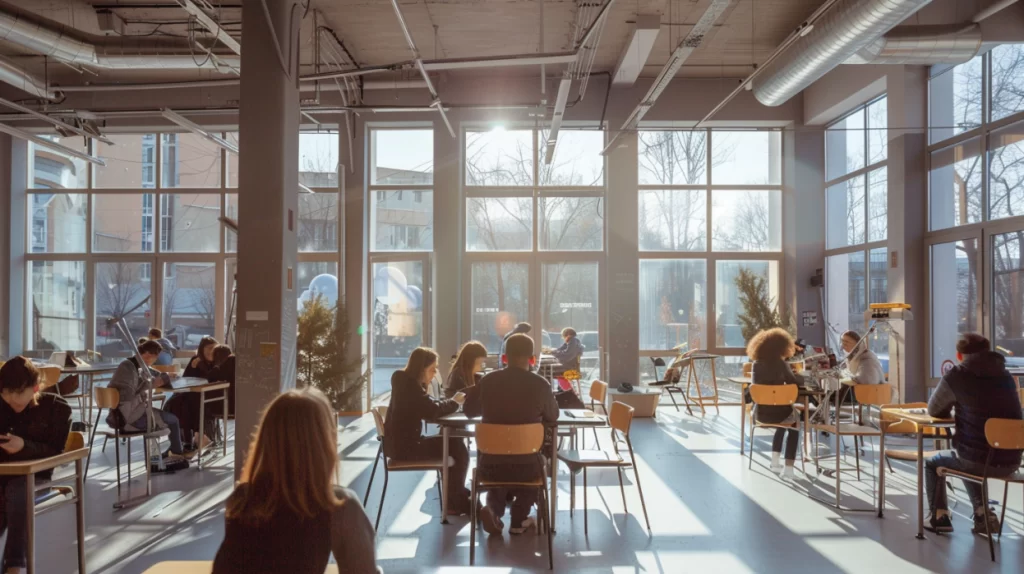
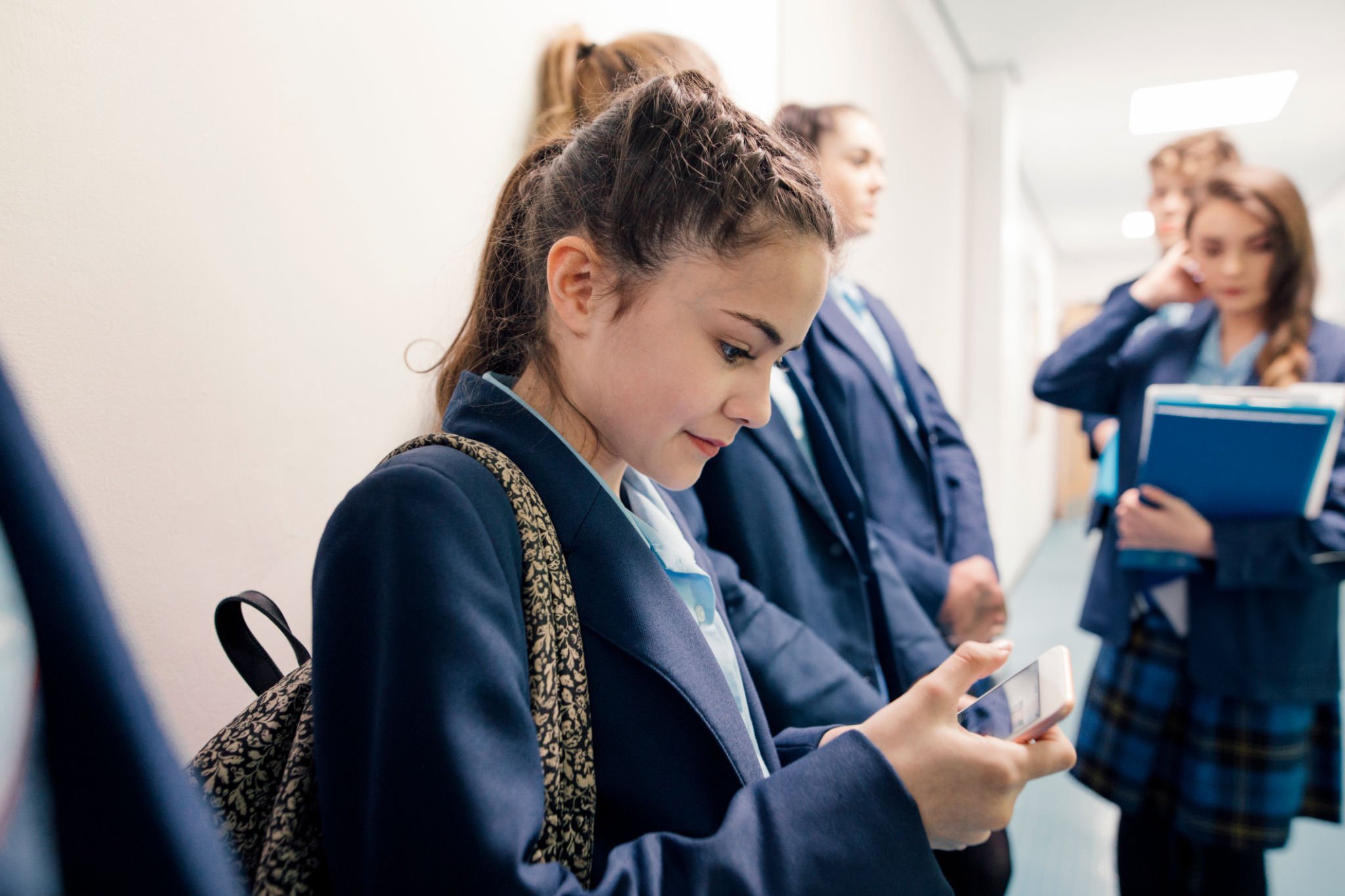
Mobile phones have become an inseparable part of our daily lives, especially for young people and students in Ukraine. While smartphones offer incredible opportunities for learning and connectivity, their presence in classrooms often comes with challenges — including distractions, reduced face-to-face interactions, and concerns about students’ mental health and academic focus. Unlike some European countries, Ukraine currently does not have a nationwide policy banning or strictly regulating mobile phone use in schools, leaving many educational institutions to navigate this issue on their own.
In this blog, we’ll explore the current landscape of mobile phone usage in Ukrainian schools, the challenges educators face, and how innovative solutions like PhoneLocker can help schools create a more focused, distraction-free learning environment — supporting both students and teachers in achieving better educational outcomes.
The Current Scenario in Ukraine
Unlike several European countries that have introduced strict regulations or outright bans on mobile phone use in schools, Ukraine has yet to implement a nationwide policy. Instead, individual schools are responsible for setting their own rules regarding smartphone usage. This decentralized approach has led to a wide variety of practices — from complete freedom to strict classroom bans.
According to Ukrainian law, mobile phones are considered personal property, which limits educators’ legal authority to confiscate or collect them without specific mention in the school’s charter. As a result, many teachers rely on informal agreements with students, or classroom-level rules, to minimize distractions. However, without a unified policy or consistent enforcement tools, these rules can be difficult to apply across entire schools or districts.
Some schools have introduced internal measures such as requiring phones to be silenced or left in lockers during class hours, while others only allow usage during breaks. Still, the lack of standardized enforcement presents ongoing challenges, especially in large institutions where resources and administrative support may be limited.
Challenges Faced by Ukrainian Schools
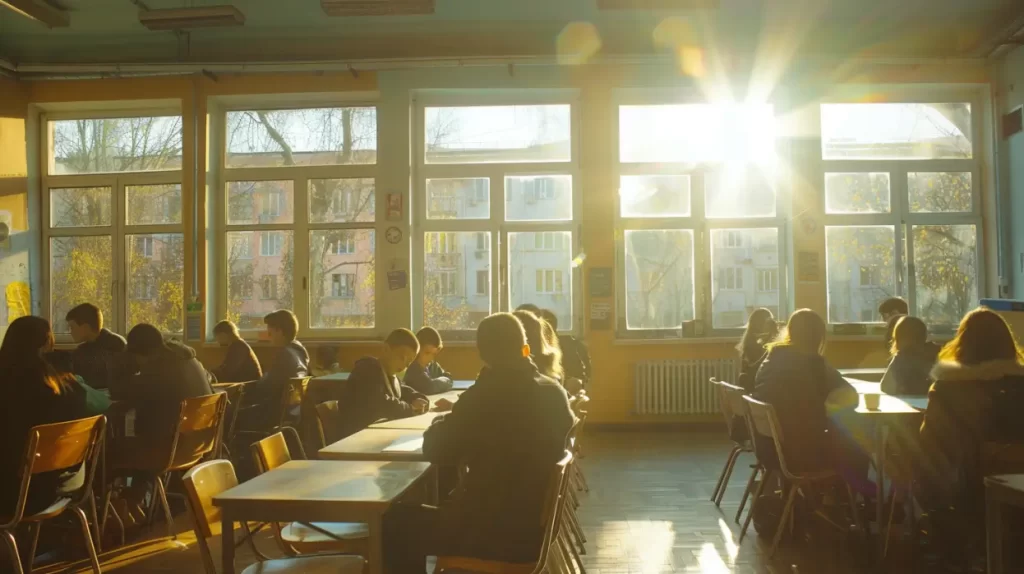
Without a national framework, Ukrainian schools face multiple challenges in managing mobile phone use effectively. Here are some of the key issues:
1. Enforcement Difficulties
Teachers and school staff often struggle to consistently enforce mobile phone rules, especially when those rules vary by classroom or are not backed by formal policy. Without clear authority or tools to regulate usage, phones frequently become a source of distraction during lessons.
2. Secure Storage Concerns
Even when schools attempt to restrict phone use, they often lack a secure and practical way to store devices during the school day. This can result in confusion, lost or stolen phones, and additional stress for both students and staff.
3. Communication Expectations from Parents
Many Ukrainian parents expect to be able to contact their children at any time, especially in the context of current regional instability or personal safety concerns. This can make strict phone bans difficult to justify without alternative communication assurances.
4. Equity and Access
Not all students have the same type or quality of devices, which can lead to misunderstandings or perceived inequalities when rules are applied inconsistently. Schools must find a way to enforce fair policies that respect students’ rights while promoting a balanced learning environment.
These challenges highlight the need for a structured, reliable solution — one that can help schools enforce mobile phone policies without burdening educators or alienating parents. This is where PhoneLocker comes in.
Practical Solutions for Ukrainian Schools
With mobile phone distractions on the rise and no centralized policy in place, Ukrainian schools can benefit from adopting innovative and proven solutions from PhoneLocker—our secure, user-friendly lockable phone pouches system designed to manage mobile devices effectively during the school day.
What Are Lockable Phone Pouches?
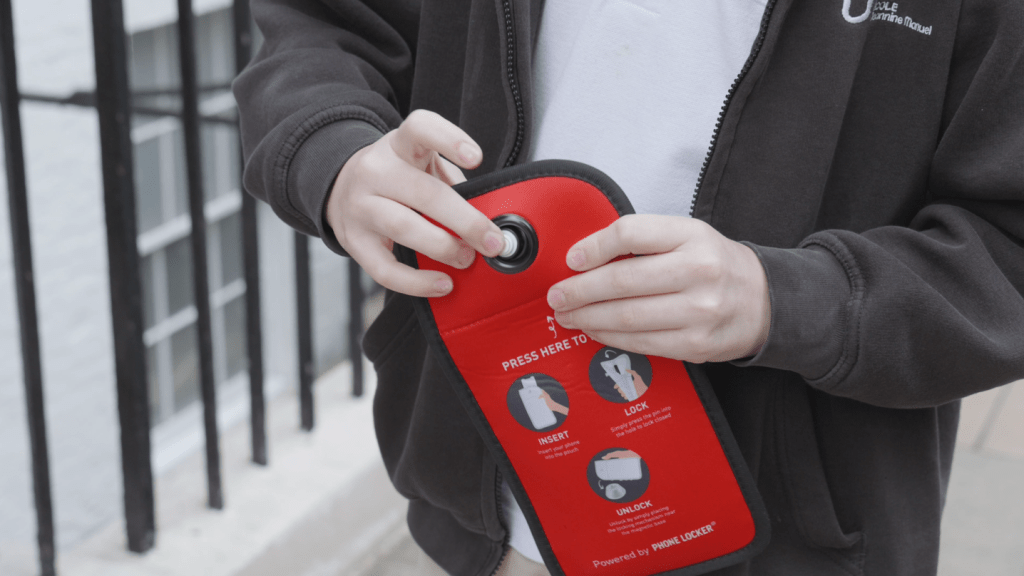
Our lockable phone pouches allow students to keep their phones with them while ensuring they remain inaccessible during school hours. Once sealed, the pouches can only be unlocked using a special magnetic unlocking base operated by school staff—ensuring security without the hassle of centralized collection or bulky lockers.
Benefits of Lockable Phone Pouches
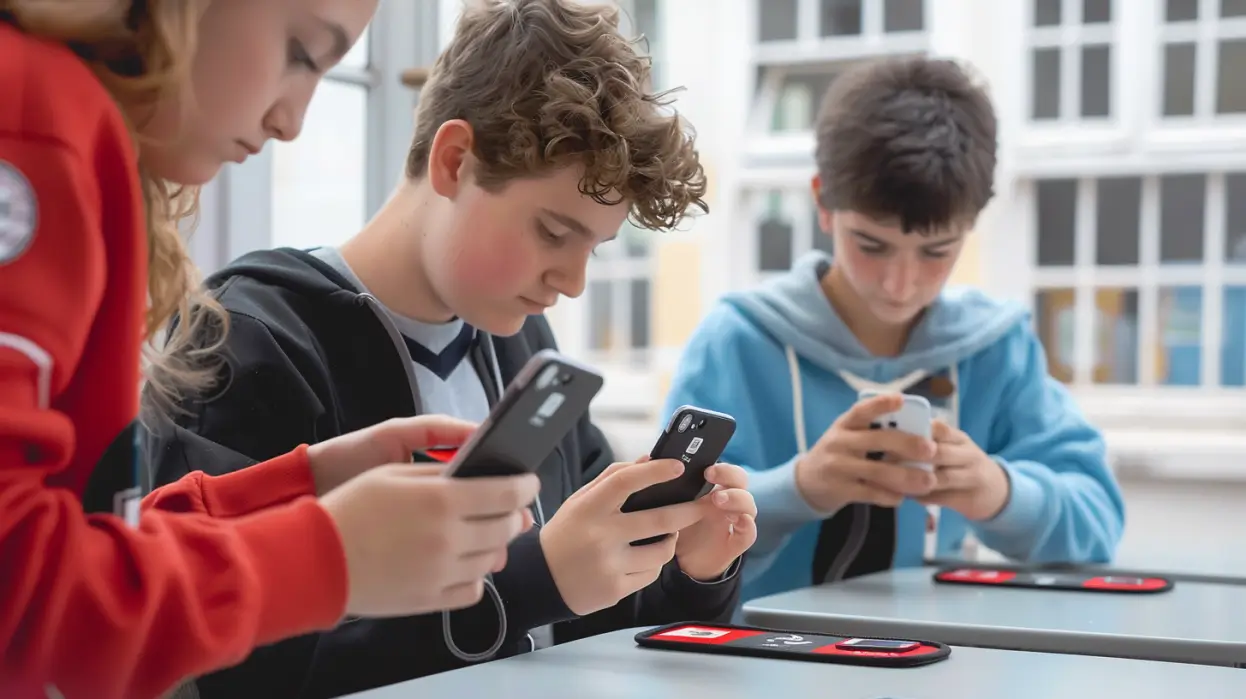
- Fosters a Focused Environment: Removes distractions caused by mobile phones, promoting better concentration and classroom engagement.
- Quick and Easy to Use: Students lock their phones in seconds and unlock them at the end of the day—saving valuable time and staff resources.
- Reduces Behavioral Issues: Less screen time during lessons leads to improved attention spans and increased social interaction.
- Maintains Student Privacy: Phones stay with students, reducing concerns about lost or damaged devices.
- Reassures Parents: Parents feel confident knowing their children have their phones with them for after-school safety.
- Cost-Effective and Scalable: No installation needed, making it easy to deploy across classrooms or entire schools.
By integrating PhoneLocker’s lockable phone pouches into daily school routines, Ukrainian schools can take immediate, effective steps to minimize distractions, boost academic success, and align with emerging European education trends.
The European Context: Ukraine in a Continental Conversation
Ukraine’s situation isn’t unique. Across Europe, educators and governments alike are increasingly recognizing the need to address mobile phone use in schools. From France’s nationwide ban on phones for students under 15, to Portugal’s recent move to prohibit phone use in primary schools starting in 2025, the continent is aligning around one message: mobile devices must be managed to protect learning.
These policies are driven by growing research linking excessive phone use to decreased academic performance, reduced attention spans, and impaired social development in children and adolescents. In response, schools in countries like Italy, Spain, and the Netherlands have either implemented formal restrictions or encouraged schools to adopt local-level policies—often supported by secure storage systems similar to PhoneLocker.
For Ukraine, this European trend presents both a warning and an opportunity. Without a national policy in place, schools have the autonomy to act quickly and responsibly—paving the way for a model of best practices that could influence future regulation.
By adopting practical tools like PhoneLocker now, Ukrainian schools can align themselves with this continental momentum, improve classroom focus, and demonstrate a proactive commitment to student well-being and academic success.
Conclusion
As mobile phone use continues to rise among students in Ukraine, schools face a clear choice: allow devices to disrupt the learning environment, or adopt thoughtful strategies that promote focus, safety, and well-being. While national legislation may still be developing, local schools don’t need to wait. Solutions like PhoneLocker offer a ready-made system to manage mobile devices with confidence—empowering educators, reassuring parents, and helping students thrive in the classroom.
By joining the growing movement across Europe to reduce distractions and improve educational outcomes, Ukrainian schools can take a proactive step toward creating more balanced, student-centered learning environments. PhoneLocker bridges the gap between technology and discipline, offering a smart, scalable way to manage phones without compromising student rights or school resources.
Ready to take control of mobile phone use in your school?
Contact PhoneLocker today to learn how our secure storage solutions can support your school’s unique needs—because focused students build a better future.




 English
  Spanish
  Portuguese
  French
  Italian
  German
  Chinese