Monaco School Phone Rules & Solutions | PhoneLocker®
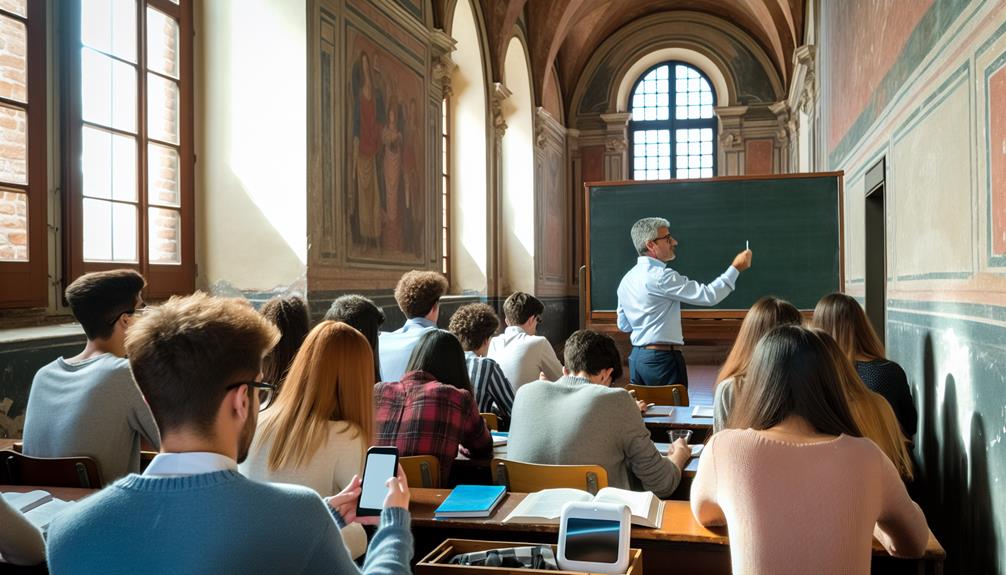
Monaco may be one of Europe’s smallest states, but when it comes to education, it carries big expectations. With a mix of French public schools and internationally recognised private institutions, classrooms here bring together local families, expatriates, and students from across the globe. Like elsewhere in Europe, the question of how to handle mobile phones in schools has become a pressing issue.
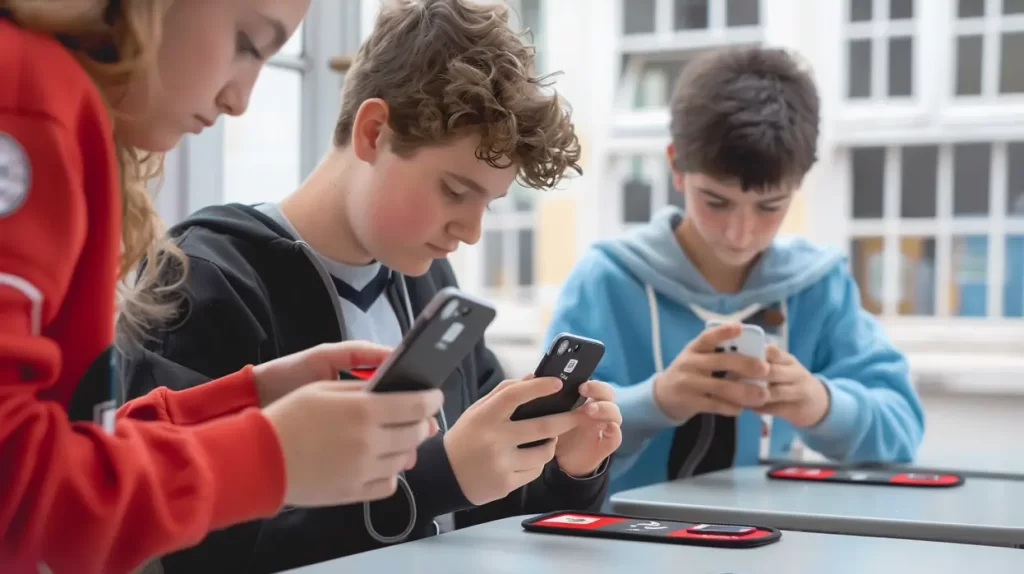
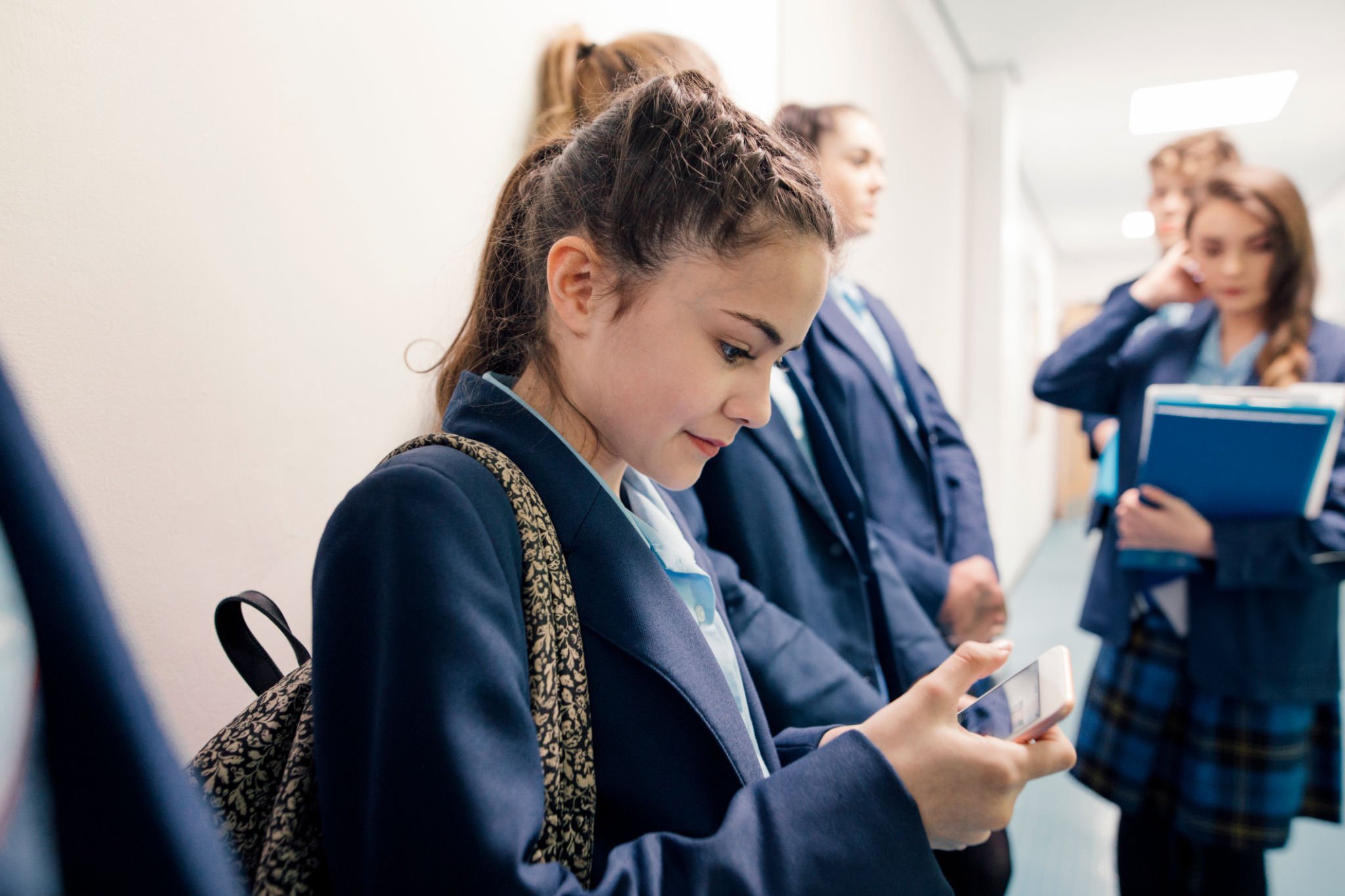
Smartphones are praised as powerful learning tools, yet their downsides are hard to ignore—constant distractions, social media pressures, and a growing body of research linking excessive use to reduced concentration and wellbeing. In a country as digitally connected as Monaco, where technology plays a central role in daily life, schools are finding creative ways to strike a balance between access and restriction.
This has led to a patchwork of approaches. Public schools broadly follow France’s national restrictions, while international schools experiment with unique solutions. At the same time, Monaco’s parents are stepping in to demand stronger limits, arguing that children need protection from the digital world.
Public Schools: Following France’s National Rules
In Monaco’s public education system, policies are strongly shaped by neighbouring France. Since 2018, France has enforced a nationwide ban on mobile phones in primary and lower secondary schools, requiring students to keep devices switched off during school hours. The goal is to reduce distractions, encourage social interaction, and protect children from overuse of digital media.
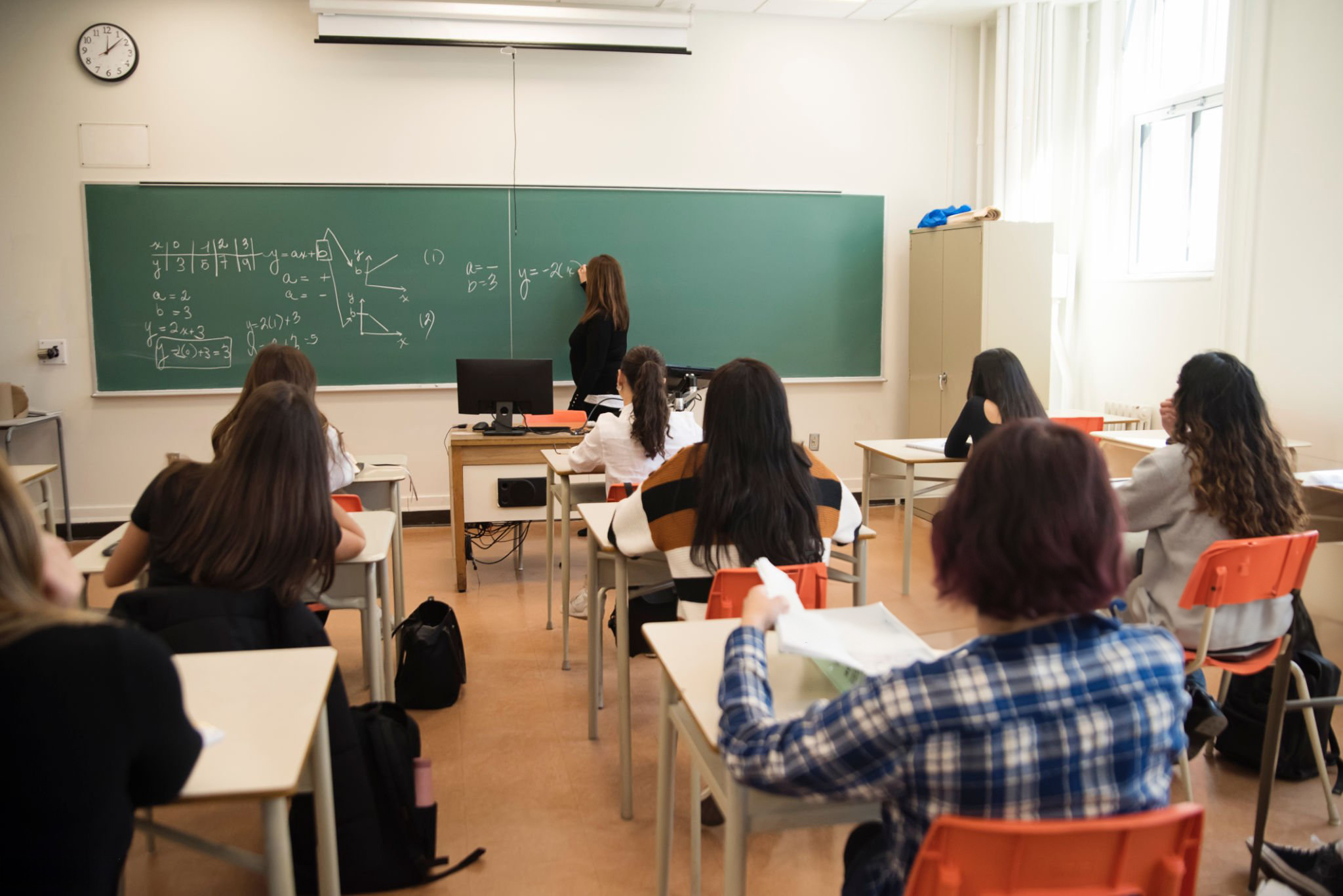
Monaco mirrors this approach. For instance, at Monaco Middle School, students are not allowed to use phones during class. Limited access is permitted only during lunch. These restrictions reflect a broader cultural trend that emphasises academic focus and child wellbeing over digital access, helping students develop concentration and interpersonal skills in an increasingly connected society.
International Schools: Innovative Approaches in Practice
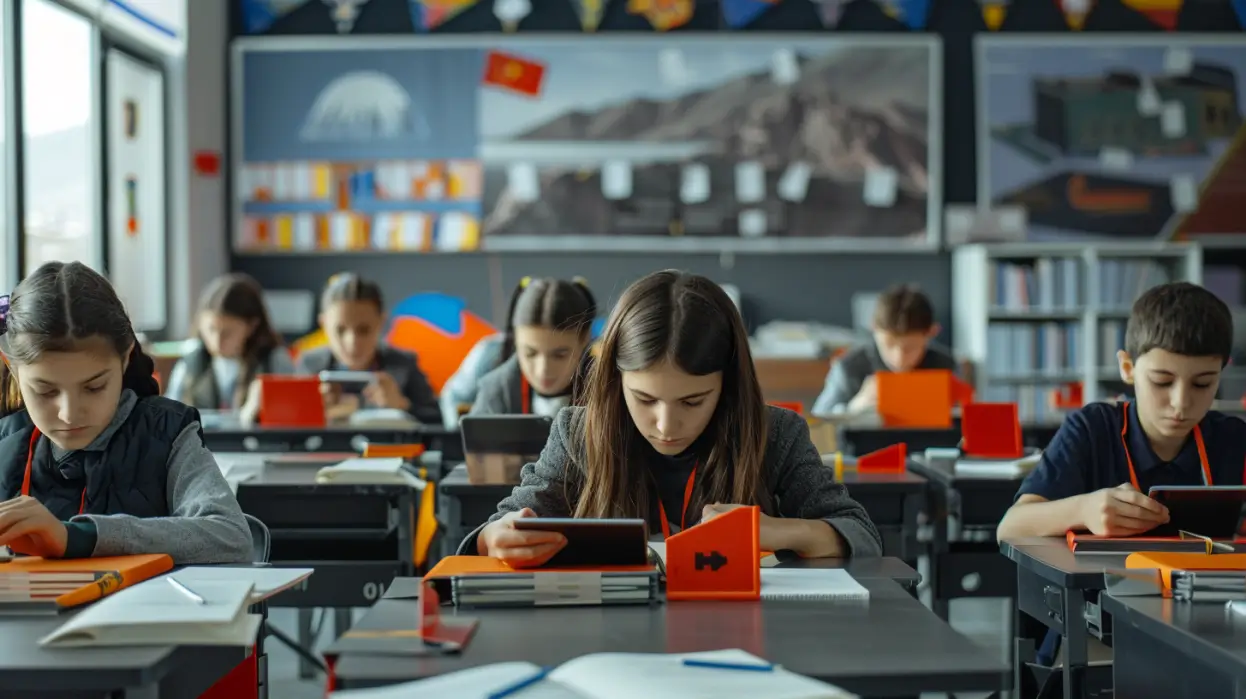
International schools in Monaco have gone a step further, tailoring their mobile phone policies to their diverse student bodies. At the International School of Monaco (ISM), rules are applied differently depending on age. Students in Years 7–10 hand their phones directly to homeroom teachers at the start of the day, ensuring devices don’t become a distraction in lessons. Older students, meanwhile, are trusted with a slightly more flexible system, storing their phones in designated classroom cupboards until the end of class. This tiered approach recognises the developmental differences between age groups while still reinforcing the principle of limited access.
The British School of Monaco (BSM) has taken an even more radical path through its partnership with Monaco Telecom. In 2024, it introduced the “PhoneWall” initiative, which provides students with classic Nokia 3210 devices—phones without internet, social media, or apps. The idea is simple: allow children to stay connected for safety and communication, but remove the distractions and risks of smartphones. Students deposit their smartphones and are instead equipped with these simplified devices during the school day.
Both ISM and BSM highlight a growing willingness among Monaco’s international schools to innovate. Rather than banning phones outright, these policies combine practicality with wellbeing, helping students stay focused while easing parents’ concerns about constant digital exposure.

Parents Advocate for Healthy Phone Use
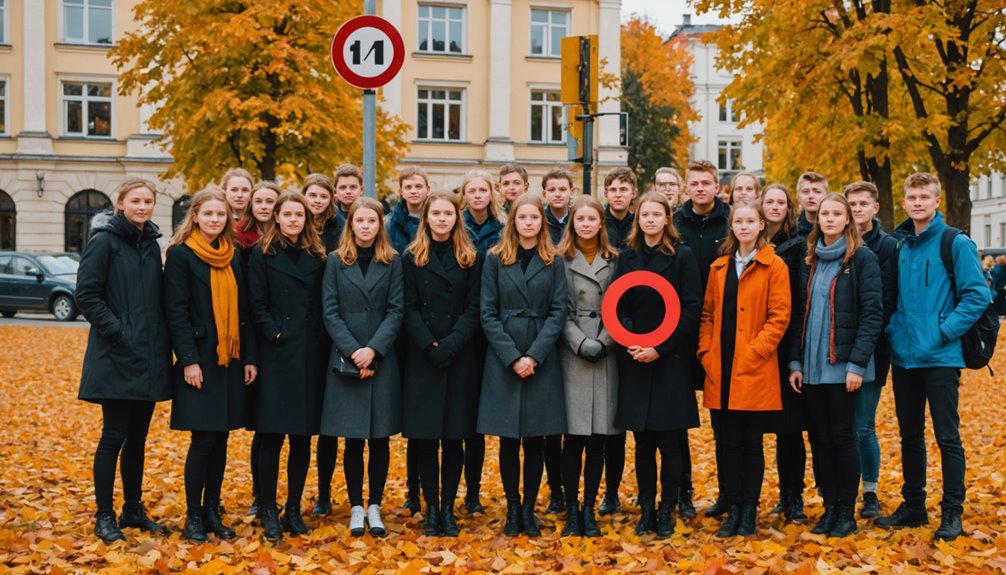
While schools in Monaco are tightening their rules on phone use, parents are also becoming increasingly vocal about the risks of early smartphone exposure. In 2025, a campaign called “Enfance Sans Smartphone” (“Childhood Without Smartphones”) gathered hundreds of signatures from Monaco parents pledging not to give their children smartphones until at least the age of 14. The movement mirrors similar initiatives across Europe, where families are growing concerned about social media addiction, mental health challenges, and the negative impact of screens on attention spans.
For many Monaco parents, the campaign is as much about protecting childhood as it is about education. Organisers stress that children should have the chance to develop interpersonal skills, creativity, and resilience without the constant pull of digital notifications. The strong turnout for this pledge shows that smartphone restrictions are not just a top-down policy from schools but also a bottom-up demand from families eager to safeguard their children’s wellbeing.
This parental activism adds an important dimension to Monaco’s mobile phone debate: it demonstrates that lasting solutions will require cooperation between schools, families, and the wider community.
The European Context
Monaco’s approach to mobile phone use in schools sits within a broader European trend. Across the continent, many countries have introduced clear restrictions to protect students’ focus and well-being. France, Italy, and parts of Spain have implemented nationwide or regional bans, while other nations, like Finland and the Netherlands, have introduced strict guidelines on when and how phones can be used in classrooms.
Monaco, though small, reflects this continental pattern. Public schools follow France’s national ban, ensuring students are not distracted during lessons. Meanwhile, international schools experiment with creative alternatives, like ISM’s controlled storage and BSM’s PhoneWall initiative. This combination of strict rules and innovative pilots positions Monaco as both a follower of established European policy and a small-scale testbed for new approaches.
The contrast between regulated public schools and flexible international institutions highlights a key challenge: even in a tiny country, maintaining consistency in mobile phone management requires thoughtful solutions that can accommodate multiple systems and age groups.

PhoneLocker®: A Unified Solution for Diverse Schools
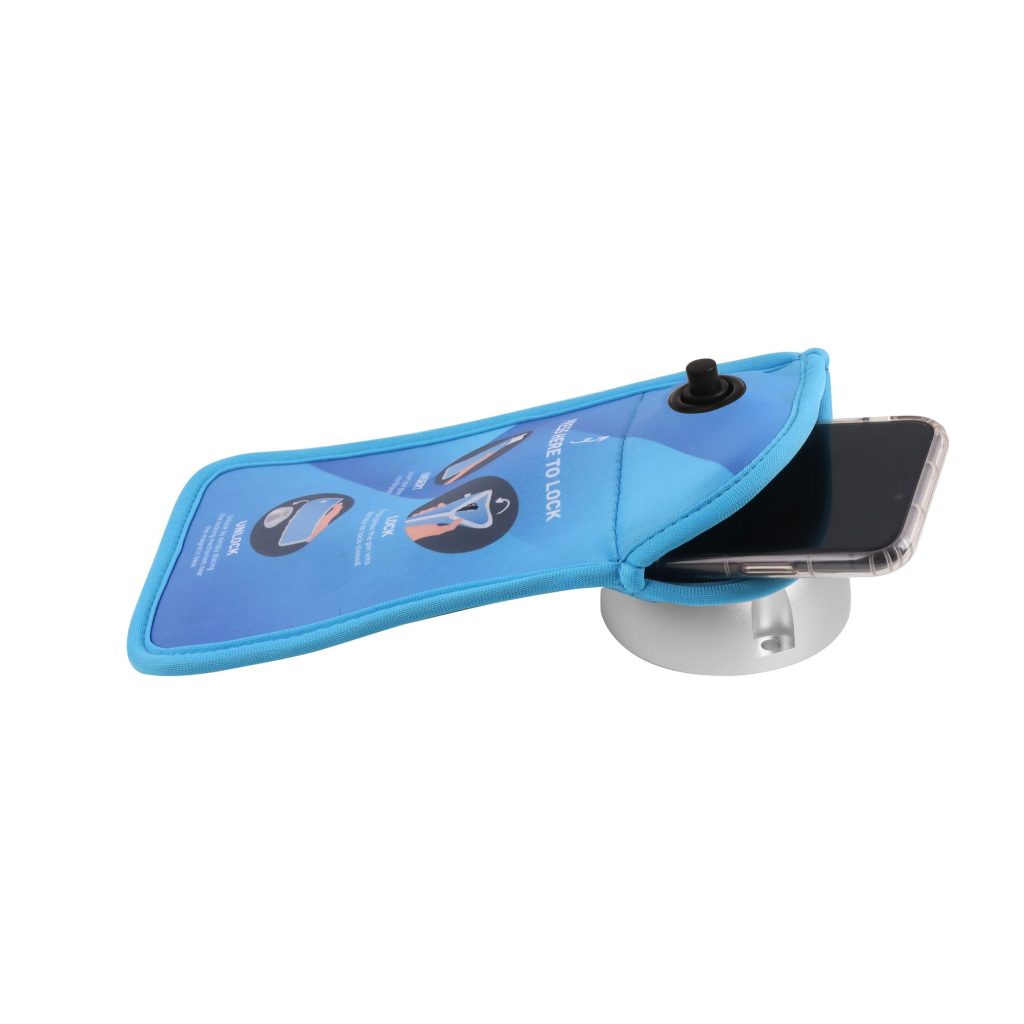
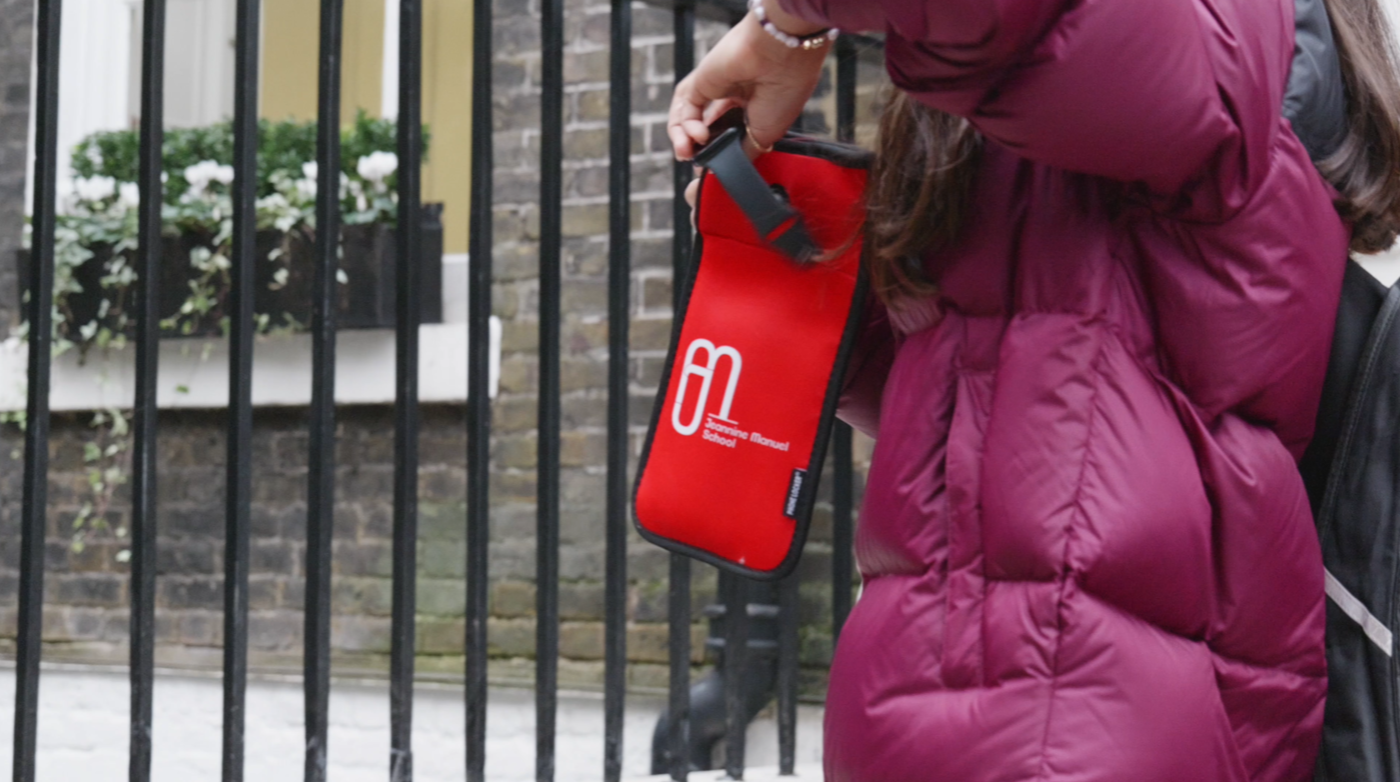
PhoneLocker® offers a practical, flexible solution for Monaco’s mixed education landscape. Each student receives a personal magnetic pouch to store their phone. During class, the pouch remains locked and can only be opened by teachers or authorized staff using a special unlocking magnet.
This system ensures that:
- Students retain possession of their devices without distractions.
- Phones are accessible only at appropriate times (lunch, end of day, emergencies).
- Schools comply with French-style bans while providing flexibility for international or private school approaches.
- Teachers reduce administrative burdens, and parents gain peace of mind.
PhoneLocker works seamlessly across multiple school systems, offering consistency, scalability, and respect for student well-being.
Conclusion
Monaco’s schools face a unique challenge: balancing strict public-school rules derived from France with innovative, flexible approaches in international institutions. Parents are also actively advocating for healthier digital habits through campaigns like Enfance Sans Smartphone.
PhoneLocker® provides a proven, flexible solution. By combining secure storage with controlled access, it helps schools reduce distractions, maintain compliance, and support student focus and wellbeing.
For schools and parents in Monaco looking to create a distraction-free learning environment, PhoneLocker® offers a practical and scalable path forward. Contact us today to implement this solution and join over 20 countries worldwide improving classroom focus and student outcomes.
FAQ – Mobile Phones in Monaco Schools
Q1: Are smartphones banned in all Monaco schools?
A1: No. Public schools follow France’s nationwide ban, while international schools have varied policies, including controlled storage and alternative devices.
Q2: How does the British School of Monaco manage phone use?
A2: The BSM PhoneWall initiative provides students with basic Nokia 3210 phones without internet or apps, reducing distractions and social media pressure.
Q3: What is the phone policy at the International School of Monaco (ISM)?
A3: Students in Years 7–10 hand phones to homeroom teachers; older students store devices in classroom cupboards until class ends.
Q4: How are parents involved in Monaco’s phone policies?
A4: Hundreds of parents joined the Enfance Sans Smartphone campaign, pledging to delay smartphones until at least age 14.
Q5: How can PhoneLocker® help schools in Monaco?
A5: PhoneLocker® provides secure, personal pouches, ensuring phones are inaccessible during class while remaining with students, supporting focus and wellbeing.

 English
  Spanish
  Portuguese
  French
  Italian
  German
  Chinese