

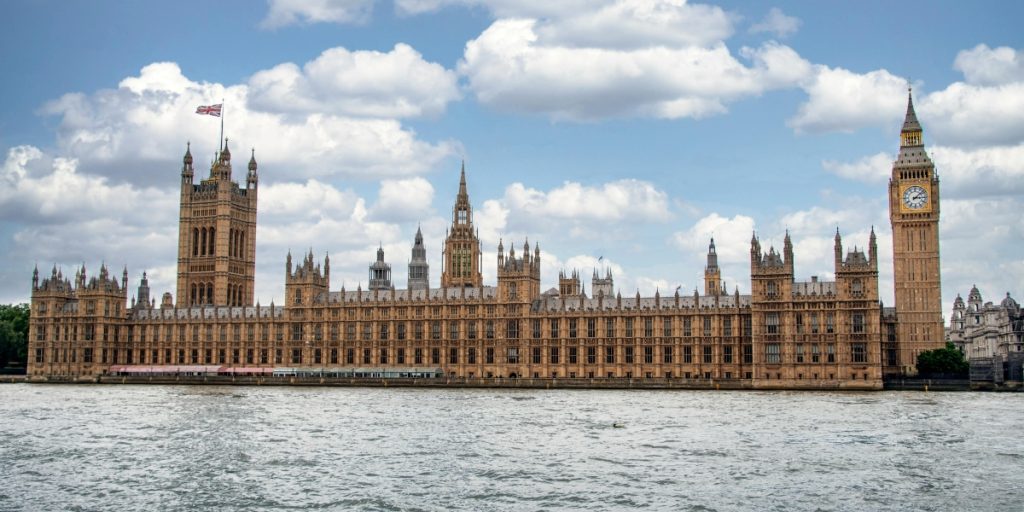
If you work with young people where phones and social media are part of daily life, you’ve probably felt the shift. Conversations about digital wellbeing are becoming front and centre of the conversation and the Government’s latest announcements show just how seriously the issue is being taken.
There’s a lot happening at once and it can feel hard to keep up, so here’s a clear rundown of what’s changing, why it matters and how it might shape the environments you create.
Why The Conversation Is Growing
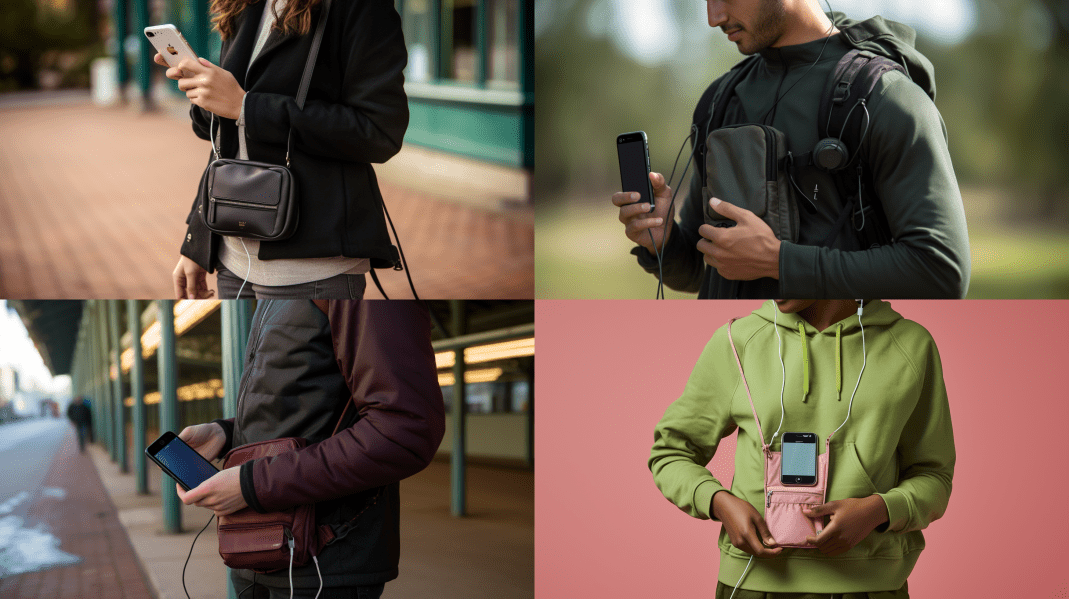
Most of us don’t need research to tell us that social media has become a huge part of young people’s lives. We see it every day – the constant notifications, the pressure to stay connected, the late‑night scrolling, the difficulty switching off.
Families, teachers, community leaders are all worried, with some young people themselves saying they are starting to feel increasingly overwhelmed. The Government’s latest steps are a response to that growing concern.
What the Government Has Announced
- A National Pilot Testing Social Media Restrictions at Home
Right now, hundreds of teenagers across the UK are taking part in a six‑week trial exploring different levels of social media restriction. Some families are testing full bans on certain apps, others are trying one hour a day limits or night‑time curfews.
The aim is simple, to understand how these changes affect sleep, mood, school work, family life and general wellbeing.
It’s one of the clearest signs yet that the Government is preparing to take stronger action.
- A Public Consultation on an Under‑16s Social Media Ban
Running until 26th May, the Government is asking the public whether the UK should follow Australia’s lead and introduce a social media ban for under‑16s.
They’re also exploring whether platforms should be required to:
- Switch off addictive features
- Introduce national time limits
- Restrict AI chatbots for children
Ministers have already said they’re ready to move quickly once the consultation closes.
- A Large‑Scale Study Tracking Young People’s Wellbeing
Alongside the pilot, thousands of young people are being followed in a major study looking at how reduced social media use affects things like anxiety, sleep, friendships and behaviour.
This research will help shape future expectations for any organisation that works with or welcomes young people.
Why This Matters for Organisations
Young people’s expectations are shifting
If restrictions become more common at home, young people may start to expect and even appreciate clearer boundaries in public spaces too.
Parents and carers are looking for support
Families are trying to navigate new rules, new pressures and new conversations. They’re looking to the organisations around them for consistency.
Phone‑free spaces are becoming more valued
Whether it’s a sala de aula, concert, youth club, or workplace, people are increasingly craving moments of presence, calm and connection.
How Phone Locker® Fits Into This Changing Landscape
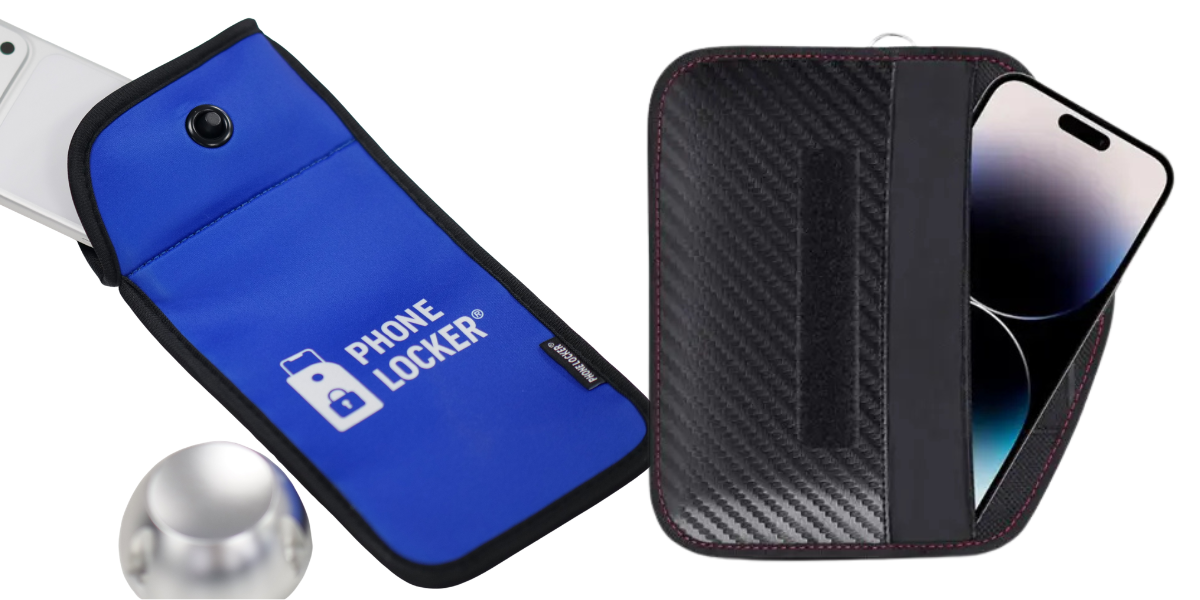
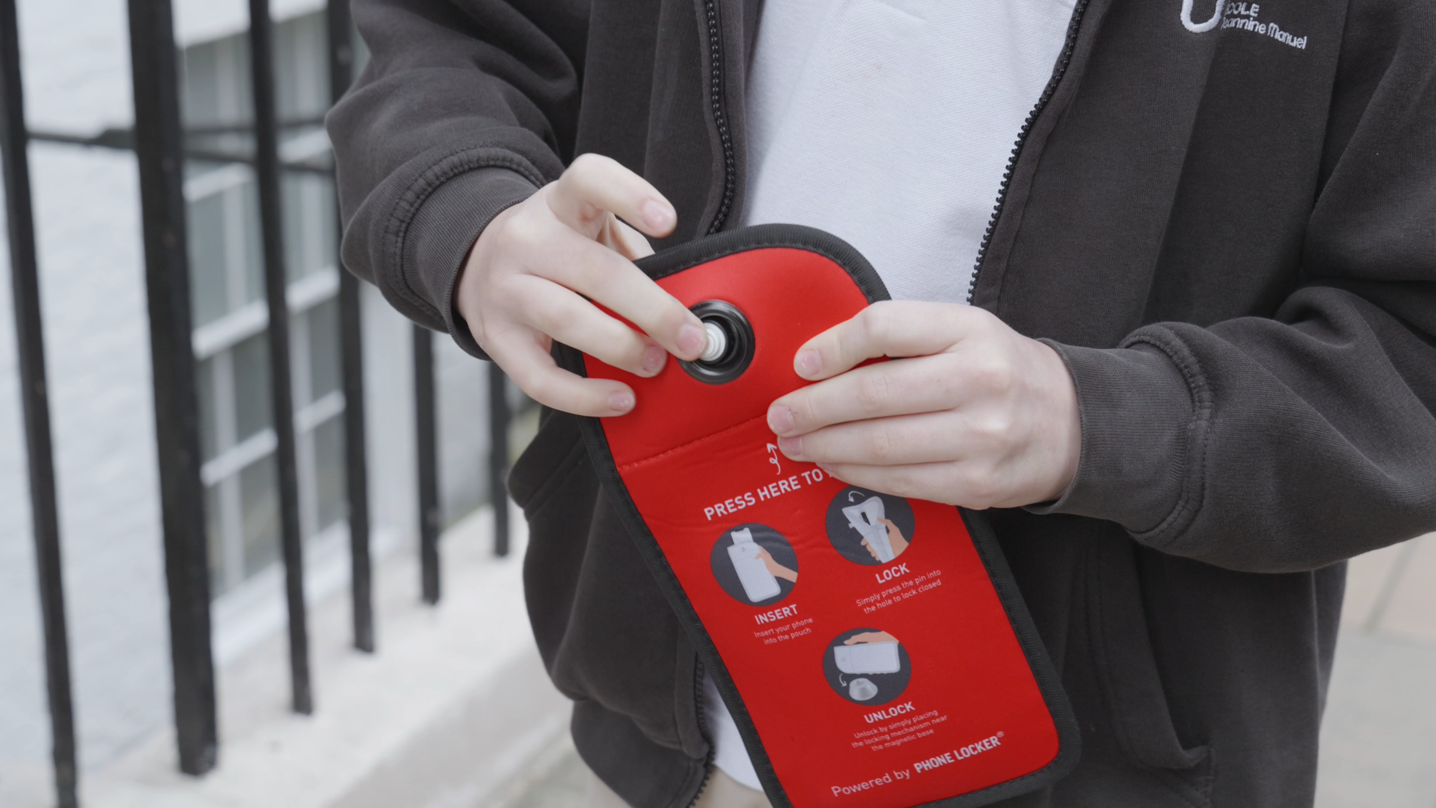
Cofre para celular® has always been about more than locking away a device. It’s about creating environments where people can be fully present learning, performing, connecting, or simply enjoying the moment without the pull of a screen.
As national policy evolves, our system offers organisations a practical, supportive way to:
- Reduce distraction
- Encourage healthier digital habits
- Create calmer, more focused spaces
- Support families trying to set boundaries at home
- Provide a consistent, fair approach to device management
It’s a simple tool that helps people feel more grounded in the spaces they share.
The landscape is changing quickly, but you don’t have to navigate it alone. Cofre para celular® is here to help you create environments where everyone can feel more present, more connected and more supported. Contact us today.





 Portuguese
  English
  Spanish
  French
  Italian
  German
  Chinese