

Smartphone Use in Vatican City Schools | PhoneLocker®
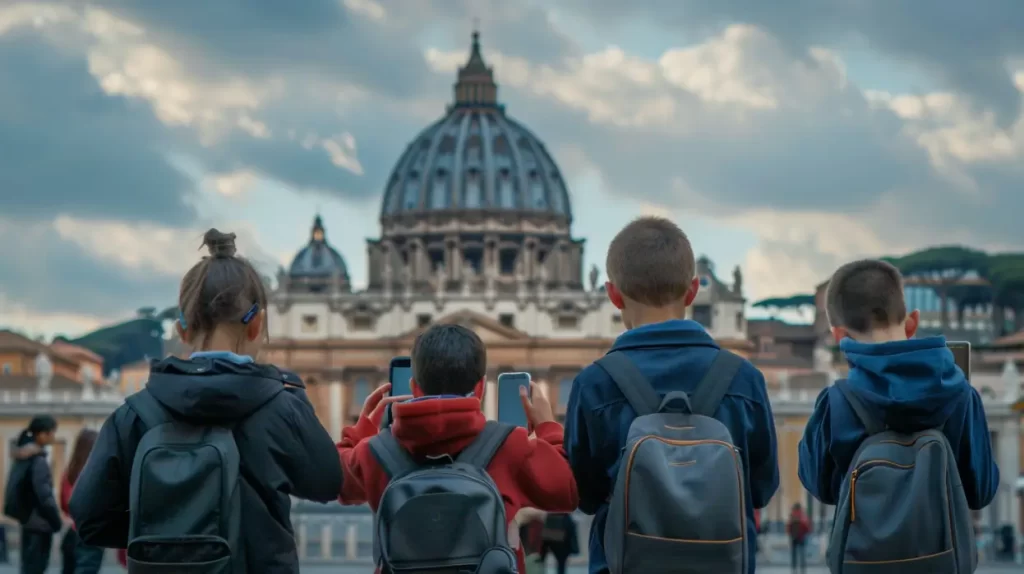
Vatican City may be the smallest country in the world, but its influence extends far beyond its borders, especially when it comes to education and values. Unlike larger European nations that legislate strict rules around mobile phones in classrooms, the Vatican approaches the issue from a different angle: one rooted in spirituality, mindfulness, and human connection.
Pope Francis has repeatedly spoken about the risks of phone addiction, urging young people not to become “slaves” to their devices and to use technology with intention rather than compulsion. This guidance resonates in Catholic schools worldwide, where educators are seeking balanced ways to limit distractions without isolating students from the digital tools they need.
By framing mobile phone use as a moral and cultural issue rather than just a technical policy, Vatican City offers a unique perspective. It reminds schools that the question is not only whether to allow phones but how to help students use them responsibly, in ways that nurture presence, focus, and human connection.
Pope Francis on Phone Addiction
In recent years, Pope Francis has become one of the most vocal global leaders highlighting the dangers of excessive smartphone use among young people. He has often warned against the temptation to replace real human relationships with screens, noting that digital connections can never fully substitute the richness of face-to-face encounters. For the Vatican, this is not just a matter of distraction in classrooms, but a question of human dignity and spiritual well-being.
In several addresses to educators, parents, and students, the Pope has emphasized that constant scrolling and screen time erode the ability to focus, listen, and even pray. He has urged schools, particularly Catholic institutions, to create environments that help children rediscover silence, attention, and reflection — all of which are difficult to cultivate when phones are within arm’s reach.
This perspective makes Vatican City stand apart from many European governments that frame mobile restrictions purely in terms of academic performance. Instead, the Vatican’s message touches on the heart of education: forming young people not just as learners, but as whole individuals who know how to balance technology with presence.
Catholic Schools and Practical Application
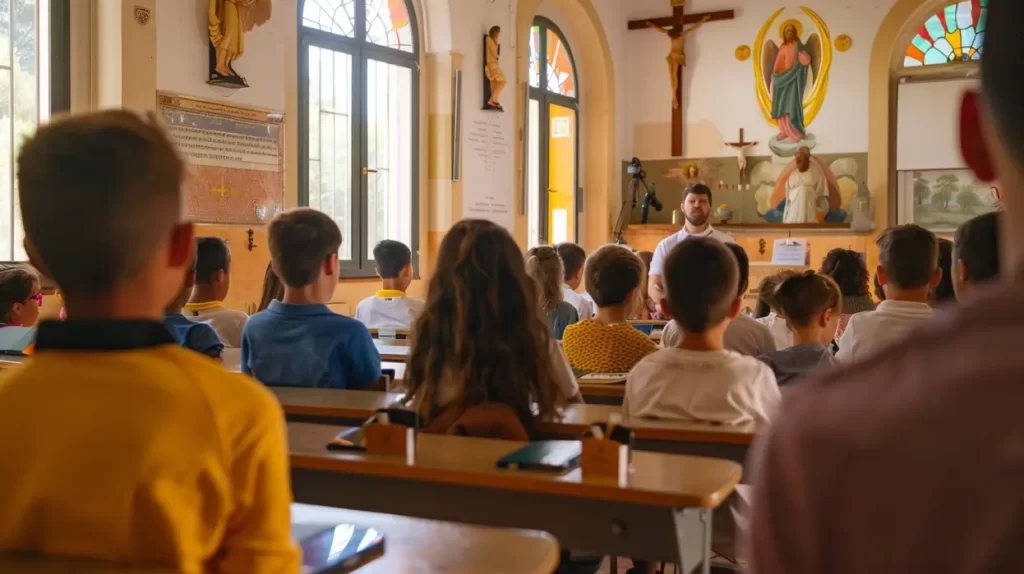
Globally, Catholic schools have interpreted Vatican guidance in ways that suit their communities. Some schools require students to leave devices in lockers or storage boxes during lessons, while others adopt flexible solutions such as lockable pouches. These measures aim to cultivate focus, minimize distractions, and instill a sense of responsibility in students.
The emphasis is on balance: students can use phones for educational purposes, such as research or translation apps, but the overarching goal is to ensure mindful, intentional use. This approach allows schools to uphold Vatican-inspired values without imposing blanket bans.
European context
Across Europe, governments have taken increasingly strict stances on mobile phone use in schools, often citing academic focus, mental health, and protection from online harms as the driving reasons. France, for example, has had a nationwide ban on phones in primary and lower secondary schools since 2018. More recently, countries such as the Netherlands and Finland have introduced restrictions that aim to keep classrooms distraction-free.
What makes Vatican City unique is that it frames the question of mobile phones not only in terms of distraction or performance but also in terms of values and formation of character. While most European policies focus on measurable outcomes — like improved test scores or reduced cyberbullying incidents — Vatican-influenced schools also emphasize the deeper human and spiritual costs of overreliance on screens.
This doesn’t mean Vatican schools ignore the practical concerns. Teachers and administrators are fully aware of the risks of distraction and social media dependency. But the policies tend to be woven into a broader message: that young people must learn to master their tools rather than be mastered by them. In this sense, Vatican City’s position aligns with the wider European trend of curbing phones in schools, while adding a distinctly moral and holistic layer to the discussion.

PhoneLocker®: A Practical Solution
As schools across Europe search for effective, practical ways to manage phones, the Vatican’s position underscores a challenge that resonates everywhere: how to foster an environment where young people are free from distraction, but not stripped of personal responsibility. Total bans can be difficult to enforce consistently, and leaving policies entirely up to individual schools risks inconsistency.
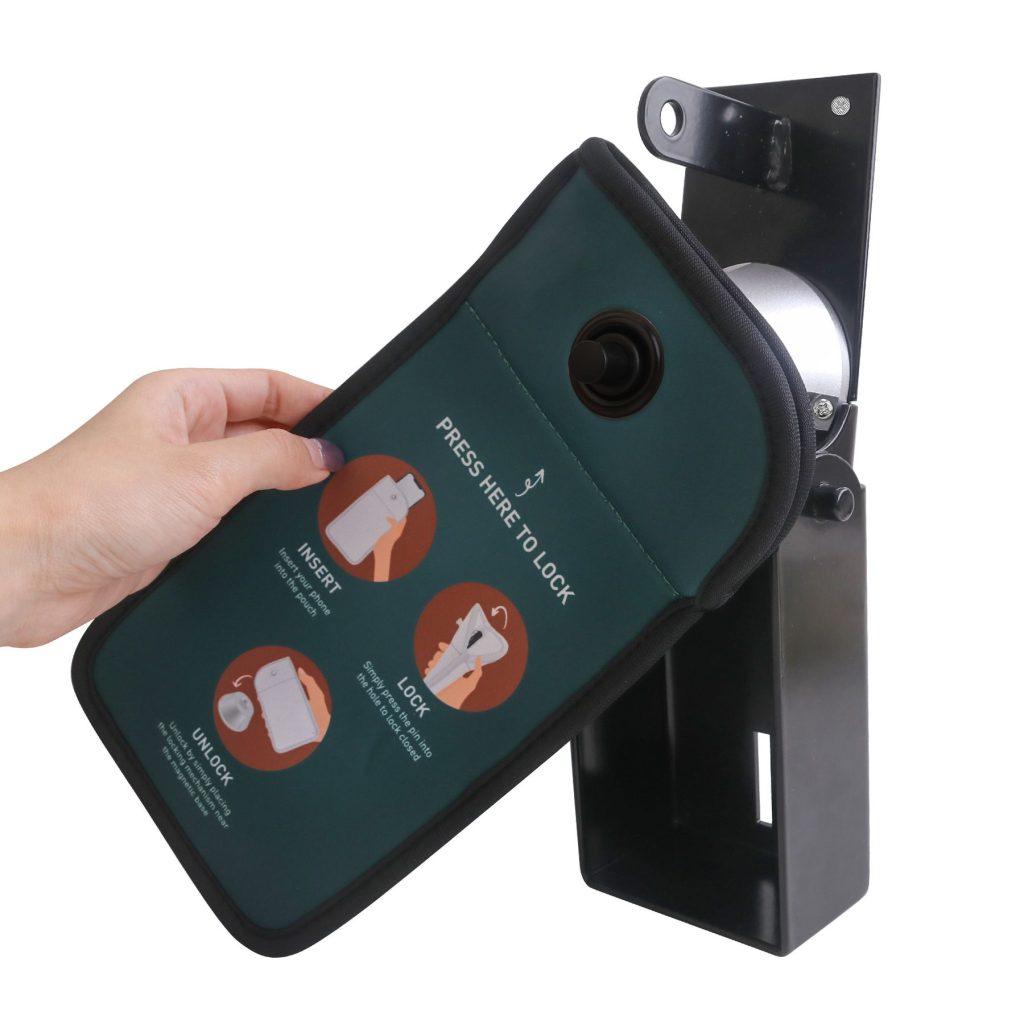
This is where solutions like PhoneLocker® provide balance. Our lockable pouches allow students to keep possession of their devices, ensuring security and avoiding conflicts over confiscation, while guaranteeing that phones remain inaccessible during class time. Teachers can unlock pouches only when appropriate, such as at the end of the day or when devices are needed for educational purposes.
For Catholic schools in particular, this flexibility aligns with their mission to teach self-discipline and responsibility while safeguarding students from the pressures of constant connectivity. It offers not only a practical classroom management tool but also a way to embody the Vatican’s broader call: to ensure that technology serves education and human development, rather than the other way around.
By adopting PhoneLocker®, Vatican-affiliated schools — and schools across Europe — can move beyond debate and into action, creating learning spaces that are calmer, more focused, and truer to their mission of nurturing the whole student.
FAQ
Q1: Are smartphones banned in Vatican City schools?
A1: Vatican City itself does not issue formal bans. Instead, it promotes responsible, mindful phone use as part of moral and spiritual development.
Q2: What guidance has Pope Francis given on phone use?
A2: He encourages young people not to become “slaves” to their devices and to use phones intentionally, maintaining focus on relationships, reflection, and learning.
Q3: How do Catholic schools apply Vatican guidance practically?
A3: Many schools require students to store phones in lockers or lockable pouches during lessons, allowing limited, purposeful use when needed for learning.
Q4: How can parents support mindful phone use?
A4: Schools often involve parents in workshops and discussions, ensuring consistent guidance at home and reinforcing responsible device use.
Q5: How does PhoneLocker® fit with Vatican-inspired policies?
A5: PhoneLocker® provides secure pouches for students’ phones, enabling controlled access, promoting focus, and aligning with values of balance, responsibility, and mindfulness.
Conclusion
In the end, Vatican City’s influence on school phone use isn’t about blanket bans—it’s about forming habits of presence, attention, and responsibility. Catholic schools worldwide reflect this ethos by creating learning spaces where technology serves students, not the other way around. That vision needs practical tools to work day to day in real classrooms.
PhoneLocker® bridges values and practice: students keep their devices, teachers control access, and lessons run without digital noise. If your school wants a calmer, more focused environment that aligns with Vatican-inspired principles of mindful technology use, let’s talk. We’ll help you design a rollout that fits your community and sticks.






 English
  Spanish
  Portuguese
  French
  Italian
  German
  Chinese