


The conversation about children and social media is changing rapidly around the world. Governments, educators and parents are increasingly questioning how much time young people should spend online — and whether stronger protections are needed.
In Canada, discussions are now emerging about whether the country should raise the minimum age for social media use to 14, potentially banning younger children from accessing major platforms.
While the proposal is still under debate, it reflects a growing concern about the impact of social media on young people’s wellbeing, mental health and ability to focus.
Canada Is Considering a Minimum Age for Social Media
As part of a new online safety initiative, Canadian officials have reportedly drafted proposals that would raise the minimum age for social media access to 14. The measure is expected to be included in a broader online harms bill designed to improve digital safety for children.
The proposed rule would apply to platforms such as TikTok, Instagram and Snapchat, potentially requiring them to implement stronger age-verification systems.
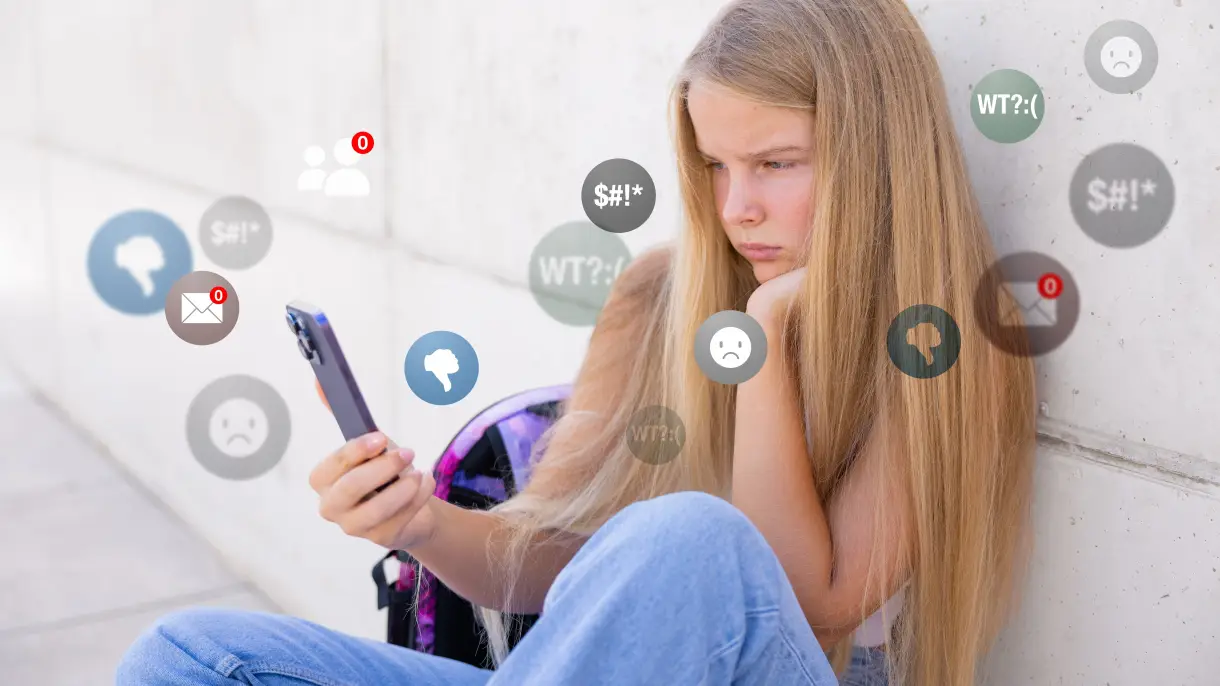
Canada would not be alone in taking this step. Countries around the world are exploring similar restrictions as governments try to respond to growing concerns about online safety, cyberbullying and the mental health impact of social media.
Public Concern About Social Media Is Rising
Recent polling suggests that many Canadians support stronger protections for children online.
A 2025 Ipsos survey found that:
- 81% of Canadians believe the harms of social media outweigh the benefits for children
- 84% believe kids should be at least 16 years old before joining social media
- 81% support government action to introduce minimum age requirements
Separate research has also found that around 90% of Canadians believe there should be some minimum age for social media platforms, with many suggesting limits between 14 and 17. (MediaPolicy.ca)
These figures highlight how quickly attitudes toward youth social media use are changing.
The Happiness Ranking That Sparked Debate
The discussion has also been fuelled by research into wellbeing among younger generations.
Recent international wellbeing studies have shown that Canada’s ranking in global happiness reports has slipped, with particular concern about declining happiness among younger people. Analysts have pointed to factors such as heavy social media use, online comparison and digital pressure as potential contributors to the drop.
Studies into Canadian youth behaviour support these concerns. Research from the Public Health Agency of Canada found that around 40% of adolescents show signs of problematic or moderate-risk social media use, which is linked to higher levels of emotional and psychological symptoms. (Canada)
These findings have intensified conversations about how digital environments may be shaping young people’s wellbeing.
The Reality of Social Media Use Among Canadian Teens
Social media is deeply embedded in everyday life for many young people.
Among Canadian students aged 11–15:
- a significant proportion report intensive social media use throughout the day
- girls in particular report higher levels of constant social media engagement than boys
While platforms can support communication and creativity, educators and health experts increasingly warn that constant connectivity can affect:
- sleep
- concentration
- mental health
- academic focus
These concerns are helping drive discussions about whether age restrictions could help create healthier digital habits.
A Growing Focus on Digital Balance
Whether Canada ultimately introduces a social media ban for children under 14 remains uncertain. Critics argue that bans may be difficult to enforce and could raise privacy concerns if strict identity checks are required online.
However, the broader conversation highlights something many educators and parents agree on: young people benefit from time away from screens and social media.
Creating structured breaks from phones — whether in schools, at home or during activities — can help support:
- better concentration
- healthier sleep habits
- stronger face-to-face relationships
- improved overall wellbeing
As the debate continues, many schools and organisations are already exploring practical ways to introduce phone-free time during learning or events, helping young people develop a more balanced relationship with technology.
Contact Phone Locker today to work out the best phone-free solution for your organisation.







 English
  Spanish
  Portuguese
  French
  Italian
  German
  Chinese