


Across Europe, governments are increasingly examining the impact smartphones have on children’s learning and wellbeing. The latest country to take action is Poland, where the government is preparing legislation to ban mobile phone use in primary schools from 1 September 2026.
The proposal, announced by Barbara Nowacka, is part of a broader effort to reduce screen time and address concerns about how smartphones affect concentration, behaviour and mental health among young people.
For schools, parents and policymakers across Europe, the move reflects a growing shift towards phone-free classrooms and structured device policies in education.
What the Proposed Poland School Phone Ban Means
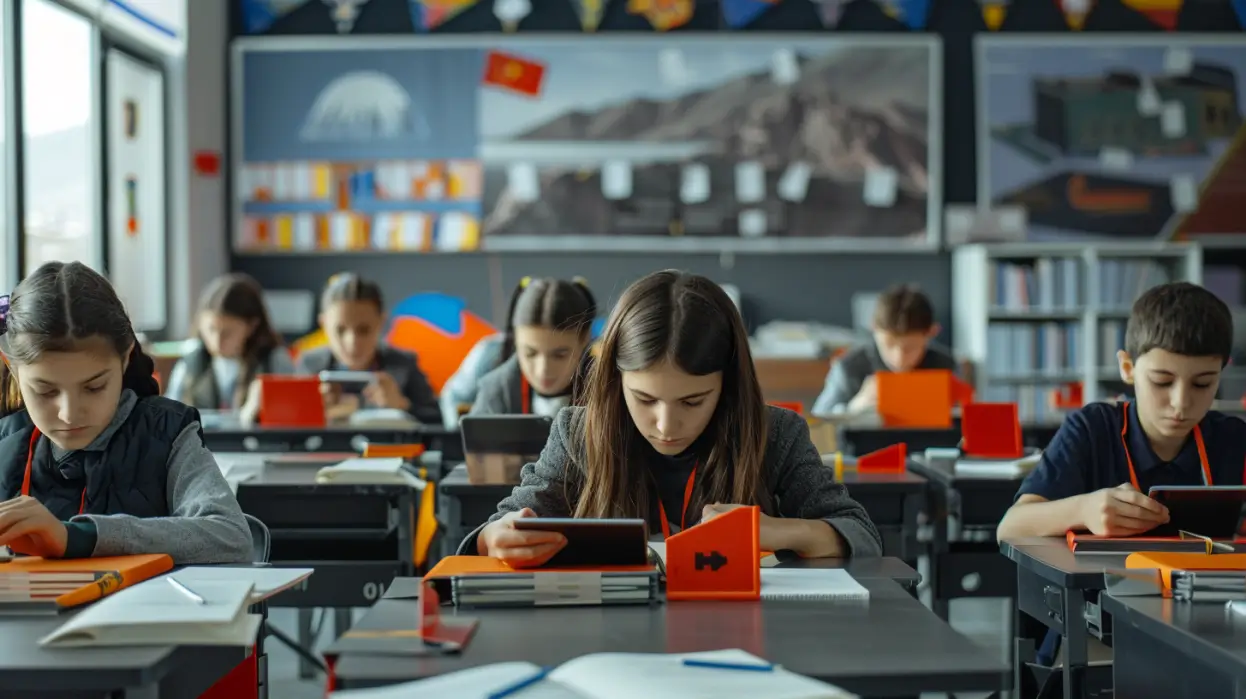
Under the proposed legislation, students under the age of 16 will not be allowed to use mobile phones during the school day in primary schools.
In Poland’s education system, primary schools typically include children aged 7 to 15, meaning the policy will affect pupils across the full primary education phase.
The education ministry has said the change is intended to address increasing concerns about children’s dependence on the internet and digital distractions in classrooms.
Speaking about the reform, Nowacka said phone use in school “cannot be the norm because we see how dependent children are on the internet.”
While the exact details of enforcement are still being finalised, the law would apply across the country’s primary schools starting from the next academic year.
Why Governments Are Restricting Phones in Schools
The discussion around smartphone bans in schools is not unique to Poland. Around the world, educators are debating how best to balance technology with student focus and wellbeing.
Teachers frequently report that phones in classrooms can lead to:
- Reduced attention and concentration
- Disruptions during lessons
- Increased social media use during school hours
- Cyberbullying and online conflicts among students
Research and education monitoring groups have also observed a growing trend towards national policies restricting phone use in schools. In recent years, the number of countries introducing school phone bans has increased significantly as governments respond to concerns about distraction and screen time.
Poland Joins a Growing Global Trend
Poland’s planned ban places it alongside several countries that have already introduced national smartphone restrictions in schools.
For example:
- France banned smartphones for students up to age 15 in schools.
- Netherlands, South Korea, and 意大利 have introduced restrictions on smartphone use in classrooms.
These policies share a similar aim: creating distraction-free learning environments where students can focus on lessons and interact more with their peers.
In many schools that have introduced such policies, teachers report improved classroom engagement and stronger social interaction during breaks.
What This Means for Schools
If the legislation passes as expected, schools across Poland will need to prepare for clear policies on how phones are managed during the school day.
In other countries that have introduced similar rules, schools have implemented systems such as:
- Keeping phones switched off in bags during lessons
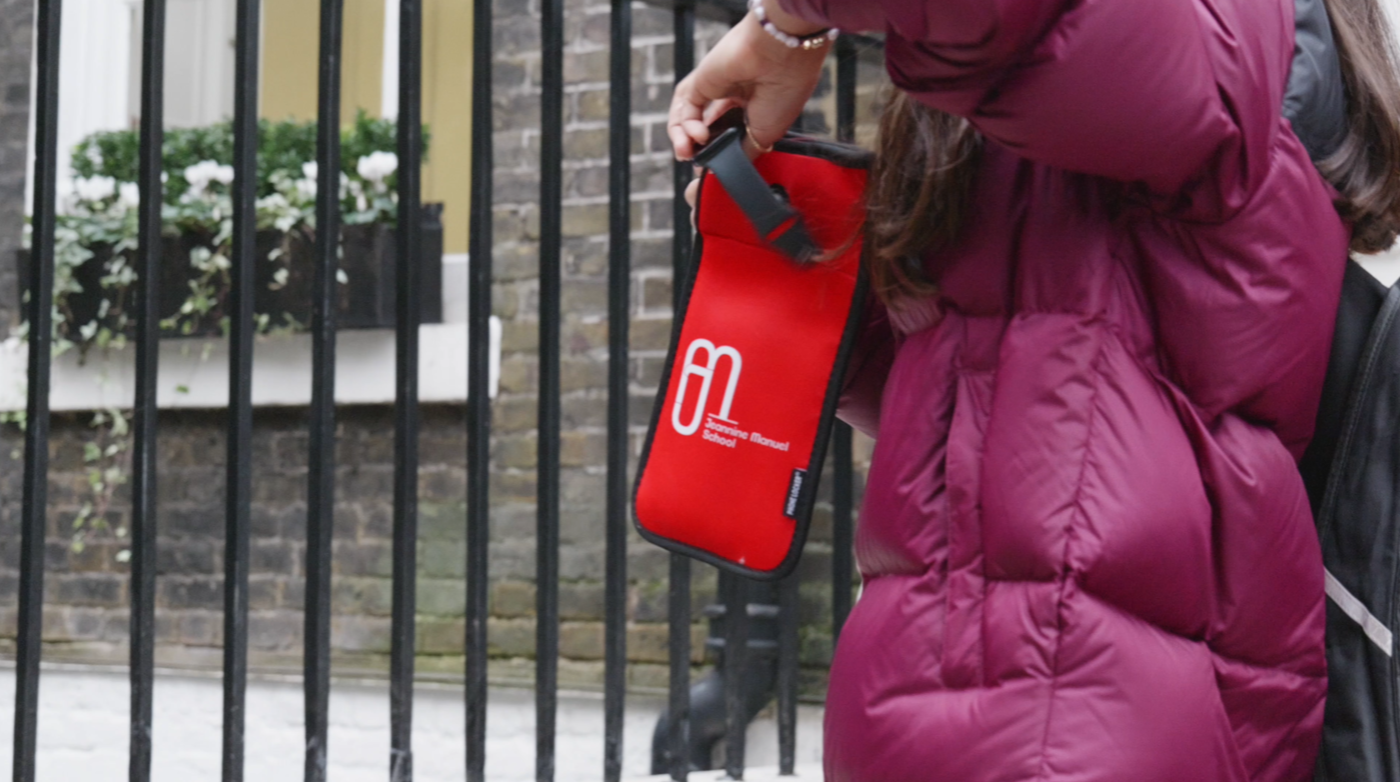
- Storing devices in lockers or designated storage areas
- Using 结构化的无电话系统 that prevent access during the day
The approach varies depending on the school environment, but the goal is consistent: remove the distraction while still allowing students to keep possession of their devices.
A Wider Conversation About Digital Boundaries
The proposed phone ban also reflects a broader societal conversation about children’s relationship with technology.
Alongside the school restrictions, the Polish government has also discussed potential limits on social media use for younger users, highlighting concerns about the impact of digital platforms on young people’s development.
For educators and parents alike, the focus is increasingly on creating healthy digital boundaries — ensuring that technology supports learning rather than undermining it.
无手机学校的未来
Whether in Poland, across Europe or globally, the debate around smartphones in schools is unlikely to disappear soon.
What is becoming clearer, however, is that many education systems are moving toward structured phone policies that protect learning time.
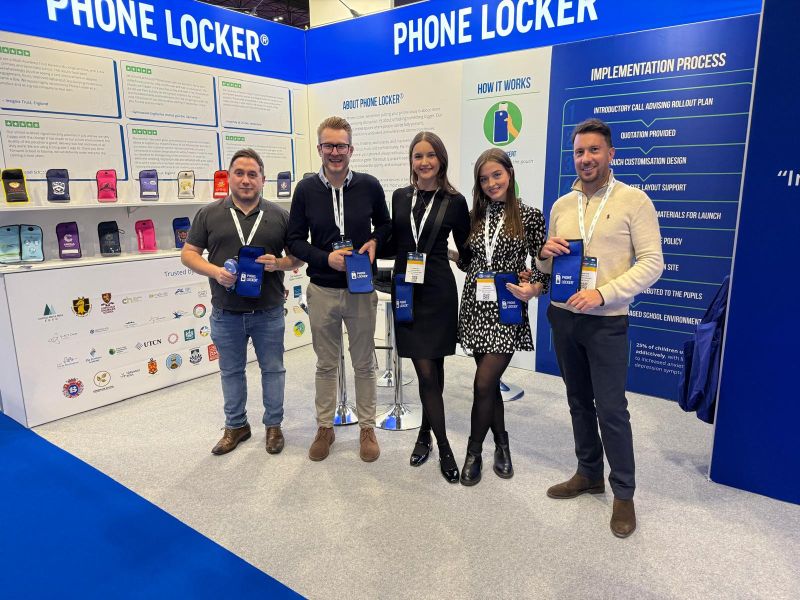
For schools introducing these policies, the challenge is often practical: how to implement a consistent approach that students, teachers and parents understand and support. If you’re interested to see how Phone Locker could provide a suitable solution for your school, 立即联系我们.





 Chinese
  English
  Spanish
  Portuguese
  French
  Italian
  German