

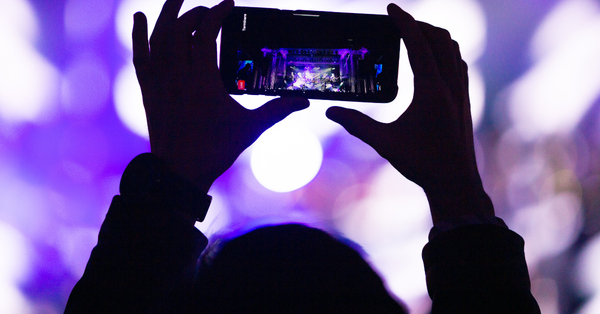
La plupart d'entre nous ne passons pas plus de quelques minutes sans consulter notre téléphone. Messages, notifications, défilement rapide. Cela paraît anodin, mais cela modifie insidieusement notre façon de vivre même les moments où nous devrions être pleinement présents.
Imaginez maintenant une représentation théâtrale, un spectacle vivant, ou même une visite guidée d'une heure. Ce sont des moments rares où l'attention est censée être concentrée sur un seul point. Paradoxalement, ce sont aussi parmi les environnements les plus sujets aux interruptions lorsque les téléphones portables sont de la partie.
Le théâtre et le pouvoir de l'attention ininterrompue
Le théâtre fonctionne parce qu'il capte l'attention. Lumières, jeu des acteurs, rythme, silences entre les répliques, réactions du public : tout cela fait partie intégrante de l'expérience.
Mais même la simple lumière d'un téléphone dans le noir détourne l'attention. Non seulement de la personne qui l'utilise, mais aussi de toutes les personnes aux alentours. Elle rompt la concentration collective qui rend un spectacle vivant si différent de tout ce qu'on peut regarder en streaming chez soi.
Quand les téléphones ne sont pas de la partie, le public s'installe plus rapidement. Il y a moins de distractions, plus de réactions et un sentiment de connexion plus fort avec ce qui se passe sur scène.
Ce qu'une heure change réellement
Une heure sans son téléphone, ça paraît peu. Mais la plupart des gens sous-estiment la rareté de cette habitude.
Durant cette heure, quelque chose de subtil se produit :
- Vous cessez de rechercher les notifications
- Votre attention cesse de se fragmenter
- Vous prenez davantage conscience de ce qui se trouve devant vous.
Ce changement améliore non seulement le plaisir, mais aussi le souvenir de l'expérience par la suite. On se souvient généralement de plus de détails, de plus d'émotions et de ce qui s'est réellement passé lorsqu'on n'est pas occupé à faire autre chose en même temps.
Cela change l'expérience du public
Lorsque le public est pleinement présent, les spectacles sont différents.
On entend davantage de rires spontanés, de réactions partagées et d'une énergie qui se construit entre la scène et le public au lieu d'être diluée par une attention distraite.
Cela permet aussi de dissiper une pression sourde que beaucoup ressentent aujourd'hui : l'instinct de tout documenter. Au lieu de regarder un moment à travers un écran, on le vit réellement.
Cela change aussi l'expérience de l'artiste.
On oublie souvent à quel point les téléphones sont visibles depuis la scène.
Les artistes le remarquent immédiatement : un écran lumineux, quelqu’un qui filme, une personne à moitié présente. Cela modifie subtilement la confiance et peut influencer la liberté de jeu.
Quand le public est pleinement captivé, les artistes ont tendance à répondre de la même manière. On observe alors une plus grande prise de risques, une connexion plus forte et une impression de fluidité plus intense dans la salle.
Il ne s'agit pas seulement de théâtre
Cela s'applique bien au-delà des théâtres.
Pensez aux concerts, aux spectacles d'humour, aux expositions immersives, aux animations dans les centres de vacances, voire aux spectacles scolaires. Nombre de ces expériences durent une à deux heures tout au plus, et pourtant, elles sont de plus en plus souvent vécues à travers des écrans plutôt que directement.
Dans certains contextes de spectacles vivants, les organisateurs encouragent désormais activement l'absence de téléphone portable, car ils ont constaté l'impact positif que cela a sur le plaisir du public, mais aussi sur la qualité même du spectacle.
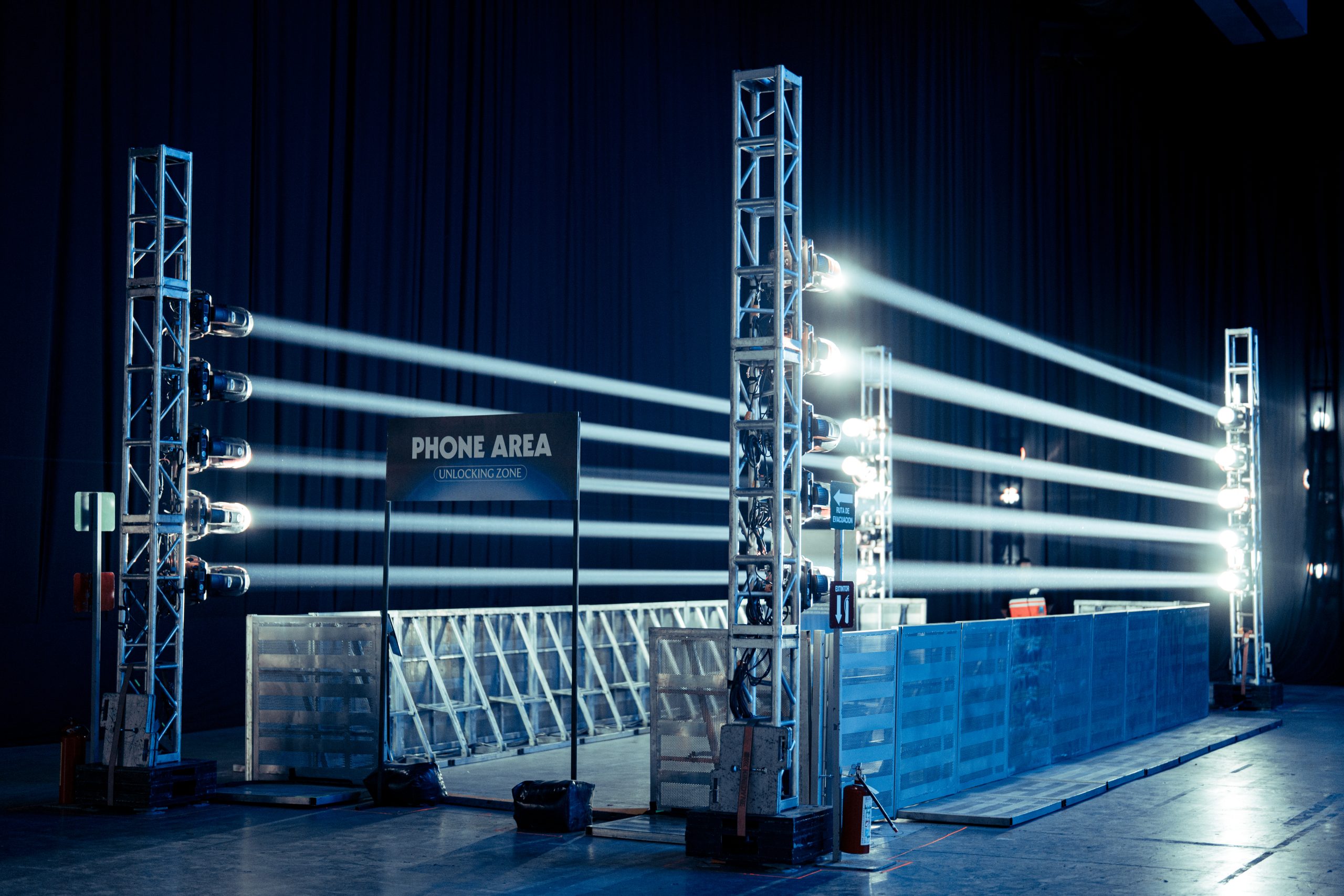
C'est là que des solutions comme Coffre-fort téléphonique® Entrez.
Non pas comme une restriction, mais comme un moyen de favoriser de meilleures expériences :
- Aider le public à rester présent sans distraction
- Offrir aux artistes un public plus engagé et réactif
- Améliorer l'ambiance générale des moments partagés en direct
Lorsque les téléphones sont hors de vue, les gens ne passent pas une heure à leur résister. Ils profitent simplement de ce qui se trouve devant eux.
La question que cela vous laisse
Si une heure sans votre téléphone améliore sensiblement votre ressenti, à quelle fréquence vivez-vous réellement cette expérience ?
Et surtout, que manquez-vous lorsque vous n'y êtes pas ?








 French
  English
  Spanish
  Portuguese
  Italian
  German
  Chinese