

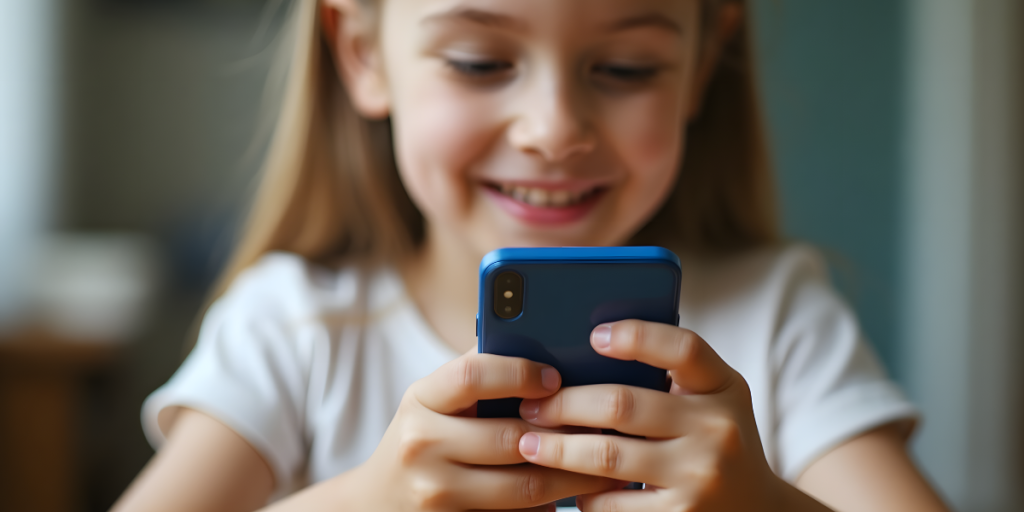
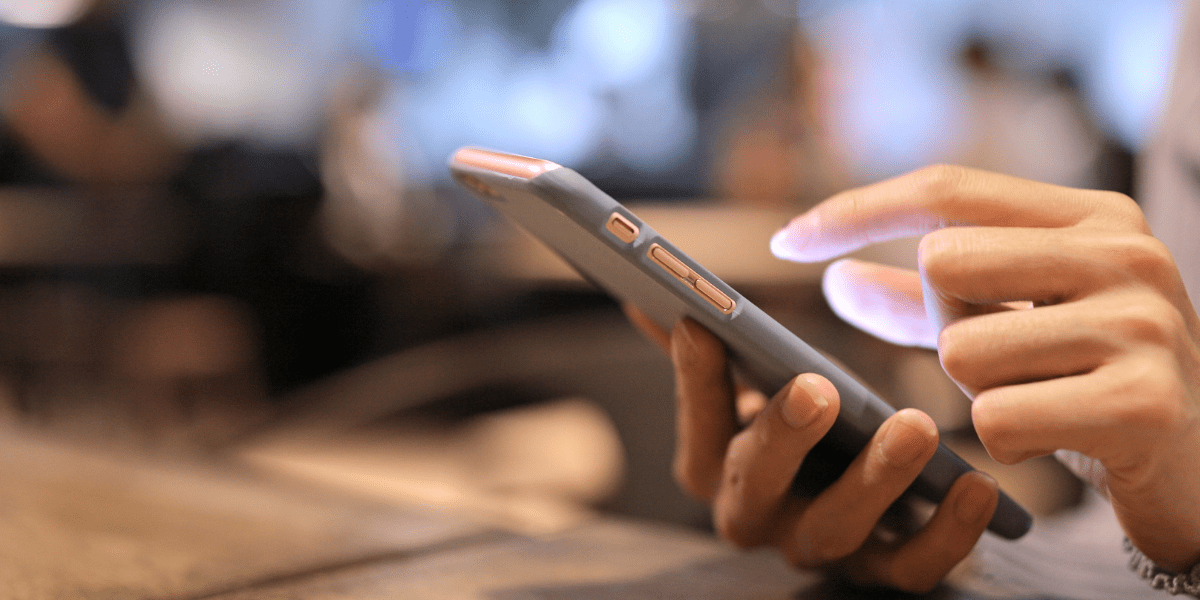
The UK government is continuing to examine how children use smartphones and social media, following a series of developments in April 2026 involving policymakers, MPs and major technology companies.
On 16 April 2026, Prime Minister Keir Starmer met representatives from leading social media platforms at Downing Street to discuss how to ensure children develop a healthy relationship with mobile phones and online platforms.
The meeting forms part of a wider government initiative to address growing concerns around screen time, online safety and children’s wellbeing.
Social Media Ban for Under-16s Rejected by MPs
On 15 April 2026, UK MPs rejected proposed amendments to introduce a ban on social media use for under-16s. The proposal had previously received support in the House of Lords but was voted down in the House of Commons for a second time.
The amendment was linked to the Children’s Wellbeing and Schools Bill, which also includes measures related to school phone use policies.
While a full ban was not approved, the debate highlights increasing political focus on how young people engage with digital platforms — and whether stricter controls may be needed in the future.
Government Consultation: Growing Up in the Online World
Alongside parliamentary discussions, the government is running a national consultation titled Growing Up in the Online World.
- The consultation has received over 45,000 responses from parents, young people and educators
- It focuses on proposals to improve children’s online safety and wellbeing
- The consultation is open until 26 May 2026
The findings will help inform future policy decisions, including potential guidance, restrictions or regulatory changes around children’s access to social media and smartphone use.
A Broader Shift Towards Digital Boundaries
These developments reflect a wider shift in how governments and organisations approach children’s screen time and smartphone use.
Key concerns driving policy discussions include:
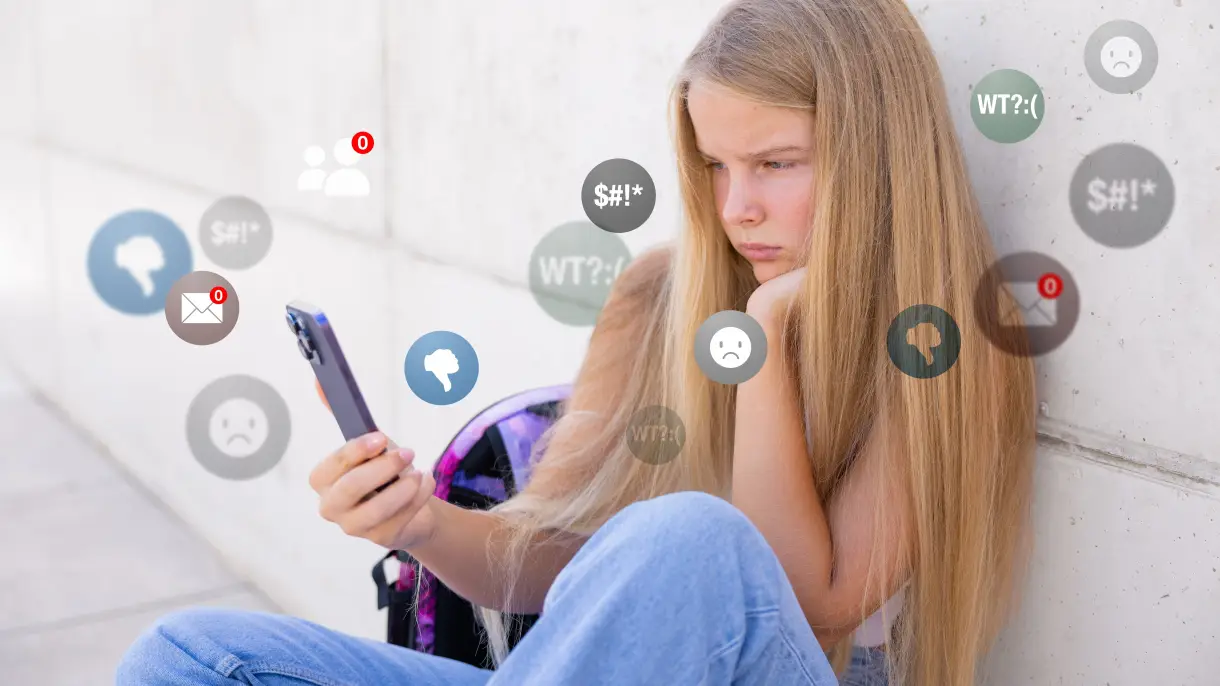
- The impact of social media on mental health and wellbeing
- Distraction and reduced focus in education settings
- Exposure to inappropriate or harmful content
- The challenge of managing constant connectivity from a young age
While a full social media ban has not been introduced, there is clear momentum towards stronger boundaries and more structured use of technology.
What This Means for Schools and Families
The inclusion of school-related measures within the Children’s Wellbeing and Schools Bill signals continued support for phone-free or phone-restricted school environments.
Across the UK, many schools are already:
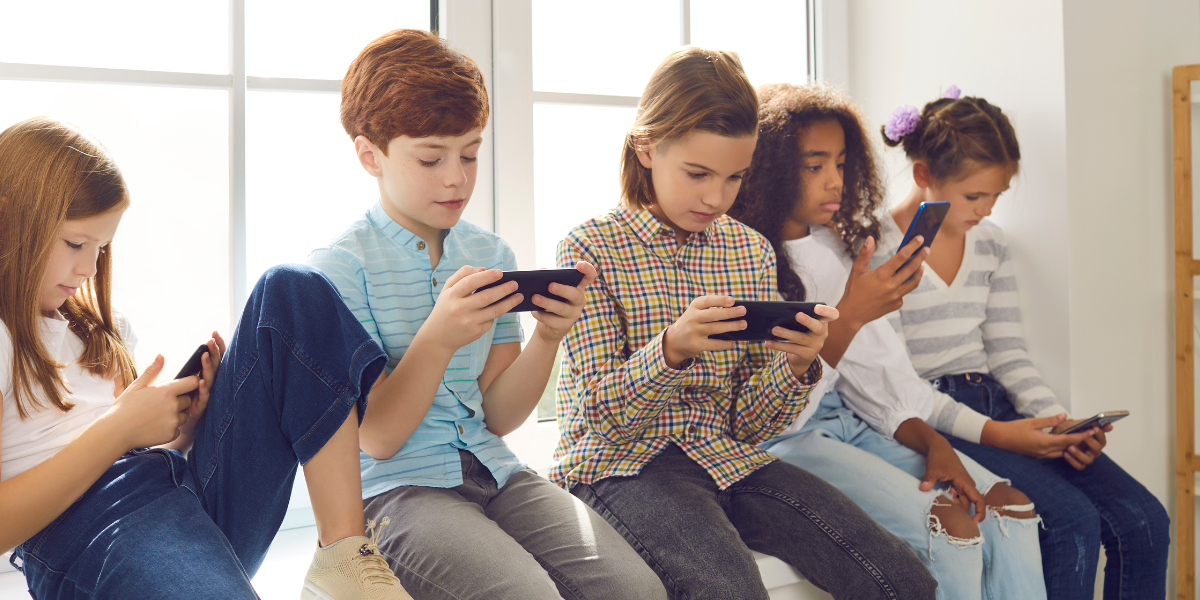
- Introducing phone-free policies during the school day
- Encouraging reduced screen time
- Promoting face-to-face interaction among students
At home, the government’s consultation reflects growing interest in:
- Screen time limits
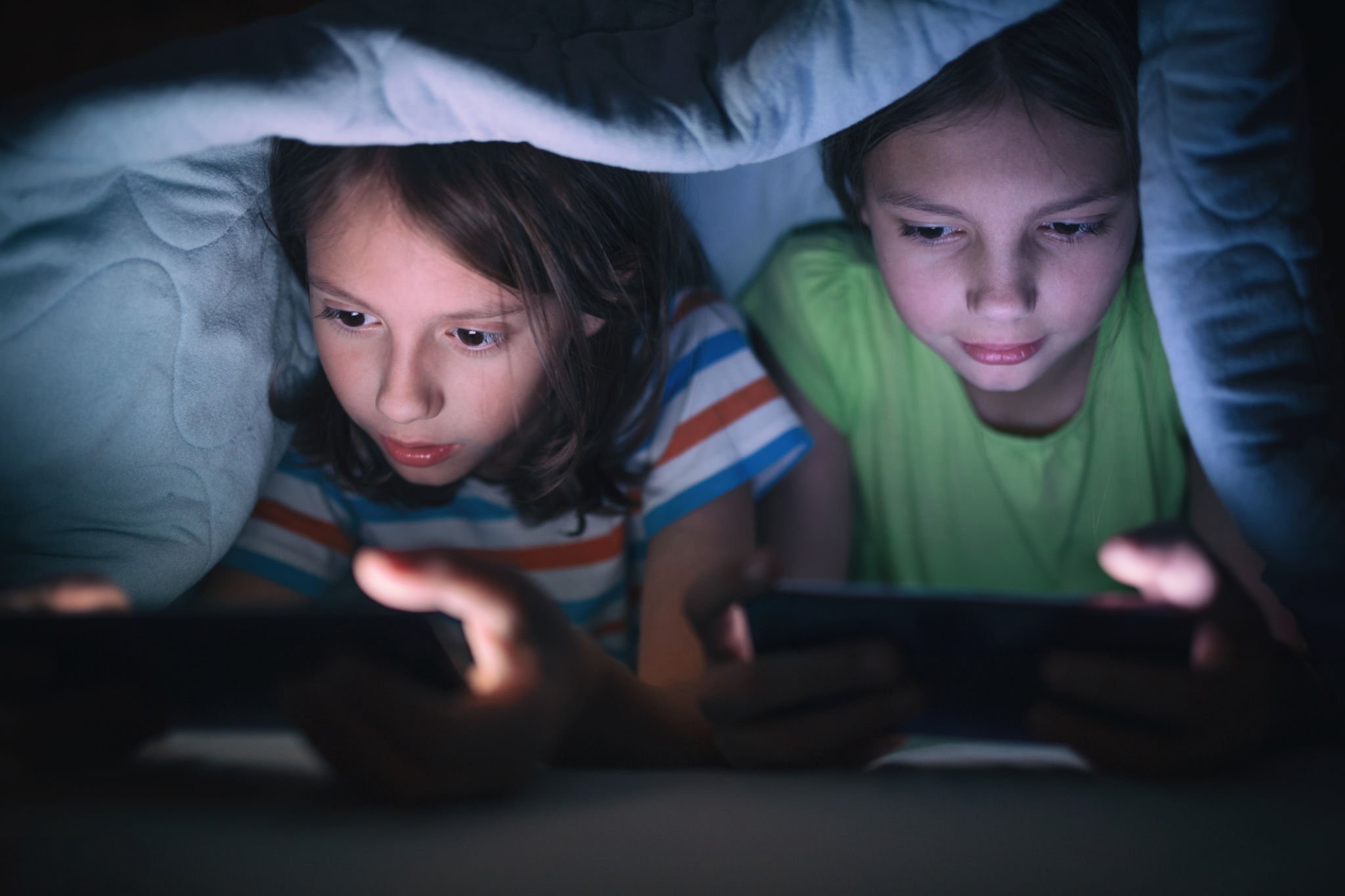
- Night-time device curfews
- Clearer parental controls
The Direction of Travel
Although MPs have rejected an outright social media ban for under-16s, the combination of:
- Ongoing government consultation
- Engagement with technology companies
- Policy proposals linked to education
suggests that the UK is moving towards a more structured approach to managing children’s digital lives.
As this conversation continues to evolve, Phone Locker® stays closely aligned with the latest developments in smartphone use, digital wellbeing and policy changes around the world. By working across education, workplaces and events globally, we help organisations respond to these shifts with practical solutions that support focus, privacy and healthier relationships with technology.




 English
  Spanish
  Portuguese
  French
  Italian
  German
  Chinese