
从舞台到TikTok

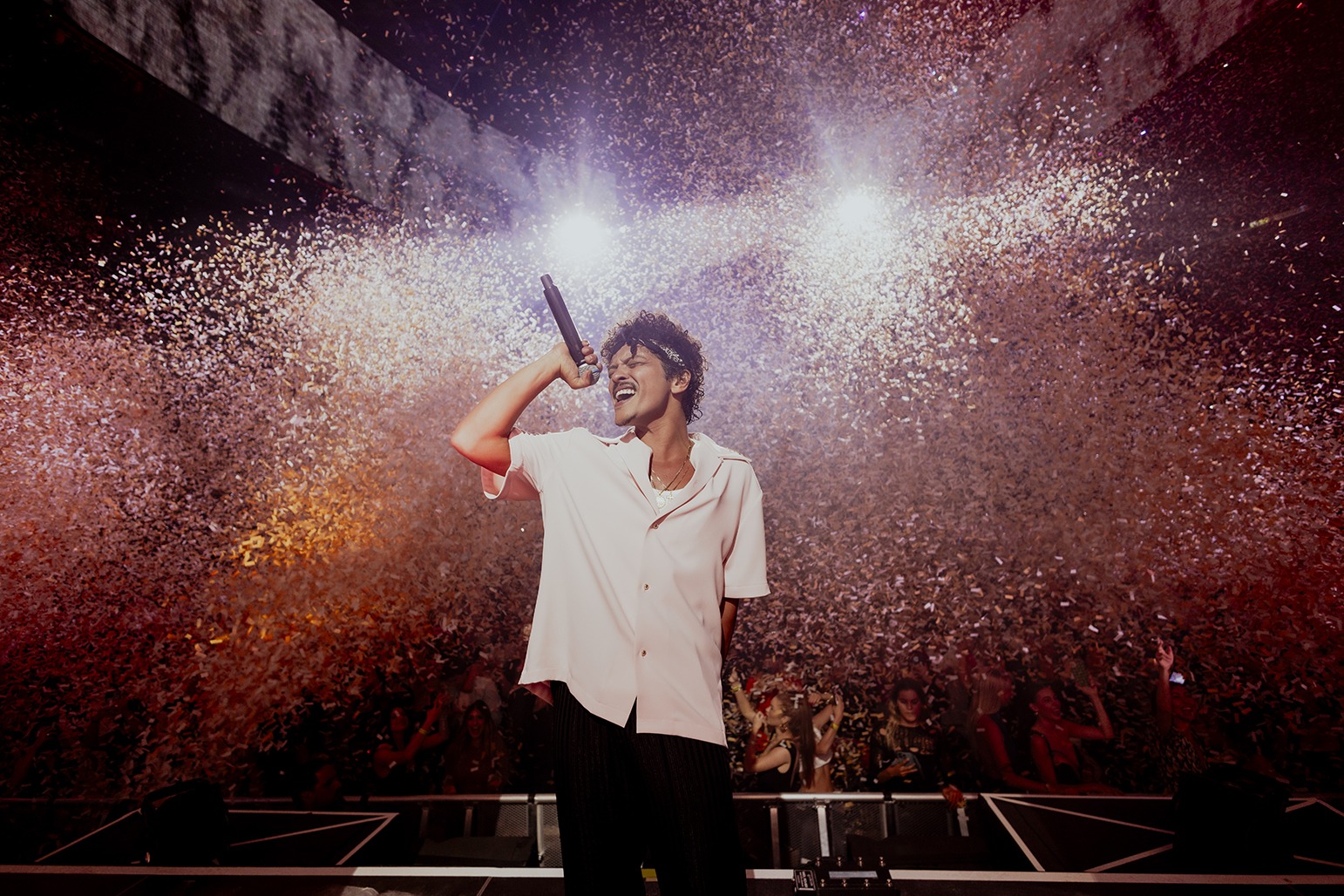
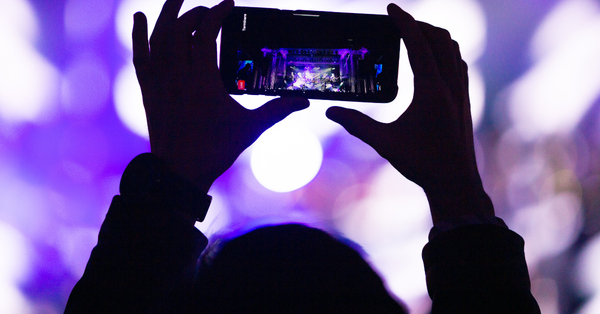
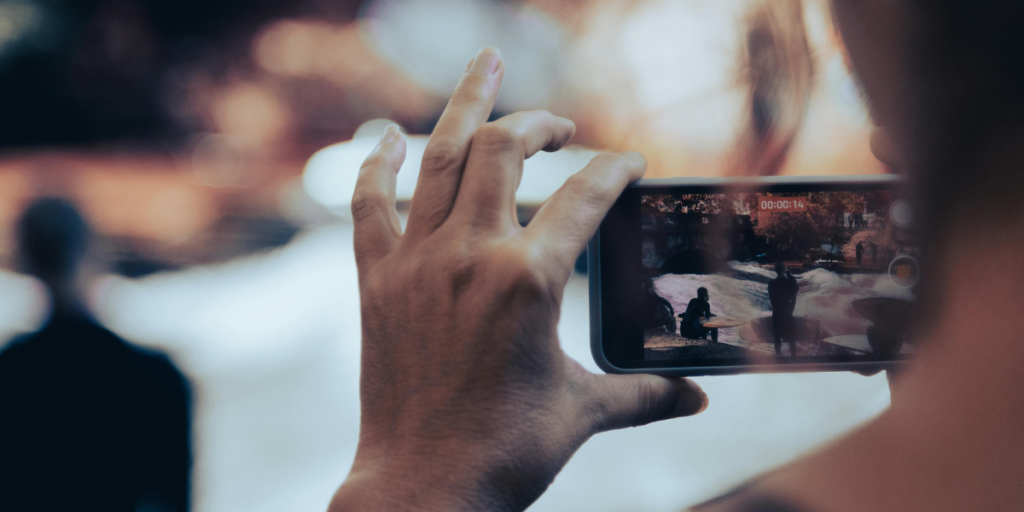
If you spend any time on TikTok, you’ll know that theatre content is everywhere right now. From West End performances to touring productions, short clips of live shows are being filmed, uploaded and shared in seconds.

But behind the views and viral moments, there’s a growing conversation within the industry and it’s not a positive one.

Theatre and TikTok: A Growing Trend

Platforms like TikTok have made theatre more visible than ever. Audiences are sharing:

  • Clips of live performances
  • Favourite songs and standout moments
  • Behind-the-scenes glimpses

On the surface, this looks like a win for the industry. More exposure, more reach, more interest.

But the reality for performers and producers is more complicated.

The Problem With Filming Live Performances

Most theatres operate under a strict no photography or filming policy, and for good reason.

When audience members record performances:

  • It breaks immersion for others in the audience
  • It distracts performers on stage
  • It captures moments without context or consent
  • It risks low-quality clips representing high-quality productions

For performers, this can be particularly uncomfortable. Costumes, choreography and staging are designed for a live audience not for close-up filming on a phone.

As one performer insightfully put it: you’re suddenly aware that any moment, good or bad, could end up online.

When Clips Turn Into Criticism

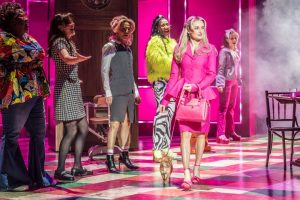
A recent example that sparked discussion across the theatre community involved performances from Hannah Lowther and Amber Davies in Legally Blonde The Musical. What made this particularly interesting is that Hannah’s journey to the stage was shaped in part by TikTok, building an audience online and using the platform as a springboard into theatre. Yet the same platform that helped elevate her career also became a space where short, out-of-context clips of performances were shared and criticised.

Amber Davies has also been vocal about the pressures this creates, highlighting how live performers can be unfairly judged on isolated moments that don’t reflect the full production. Together, their experiences underline a wider tension in the industry — where social media can both create opportunity and, at the same time, expose performers to a level of scrutiny that live theatre was never designed for.

This highlights a key issue: A few seconds on TikTok can shape public opinion about an entire performance.

For performers, that brings added pressure. Live theatre has always allowed room for variation not every performance is identical. But when those moments are filmed and shared, they can take on a life of their own online.

The Pressure on Performers

Unlike film or TV, theatre is live. It’s human.

But the rise of filming means:

  • Performers may feel constantly “watched” beyond the audience in the room
  • One-off mistakes can be replayed repeatedly online
  • Confidence can be impacted by fear of going viral for the wrong reasons

There’s also a more personal side.

In some cases, performers have expressed discomfort at being filmed in costume — particularly in shows where outfits are more revealing. What might feel like a normal performance setting can quickly become something else when recorded and shared online.

Why No-Phone Policies Exist

Theatre has long been one of the few places where being present is part of the experience.

Live performance is designed to be experienced in the moment:

The lighting.
The sound.
The atmosphere.
The connection between performer and audience.

No-phone policies are there to:

  • Protect the integrity of the performance
  • Respect the performers on stage
  • Maintain immersion for the audience
  • Ensure the production is seen as intended

But as smartphone use becomes more habitual, enforcing these policies is becoming harder.

A Simple Solution: Phone-Free Performances

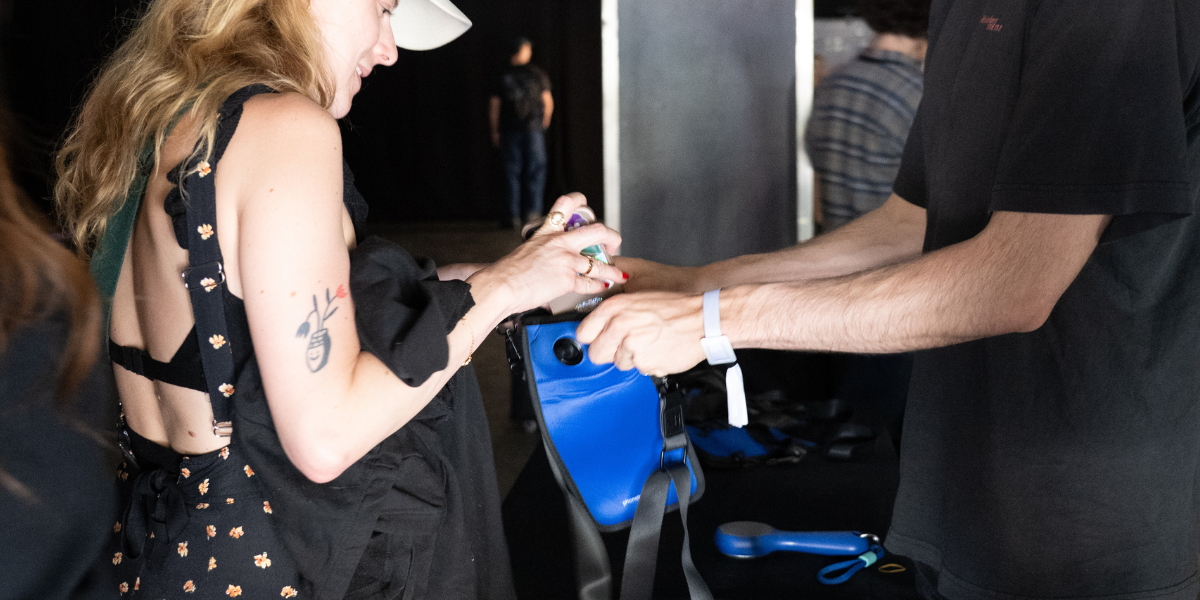
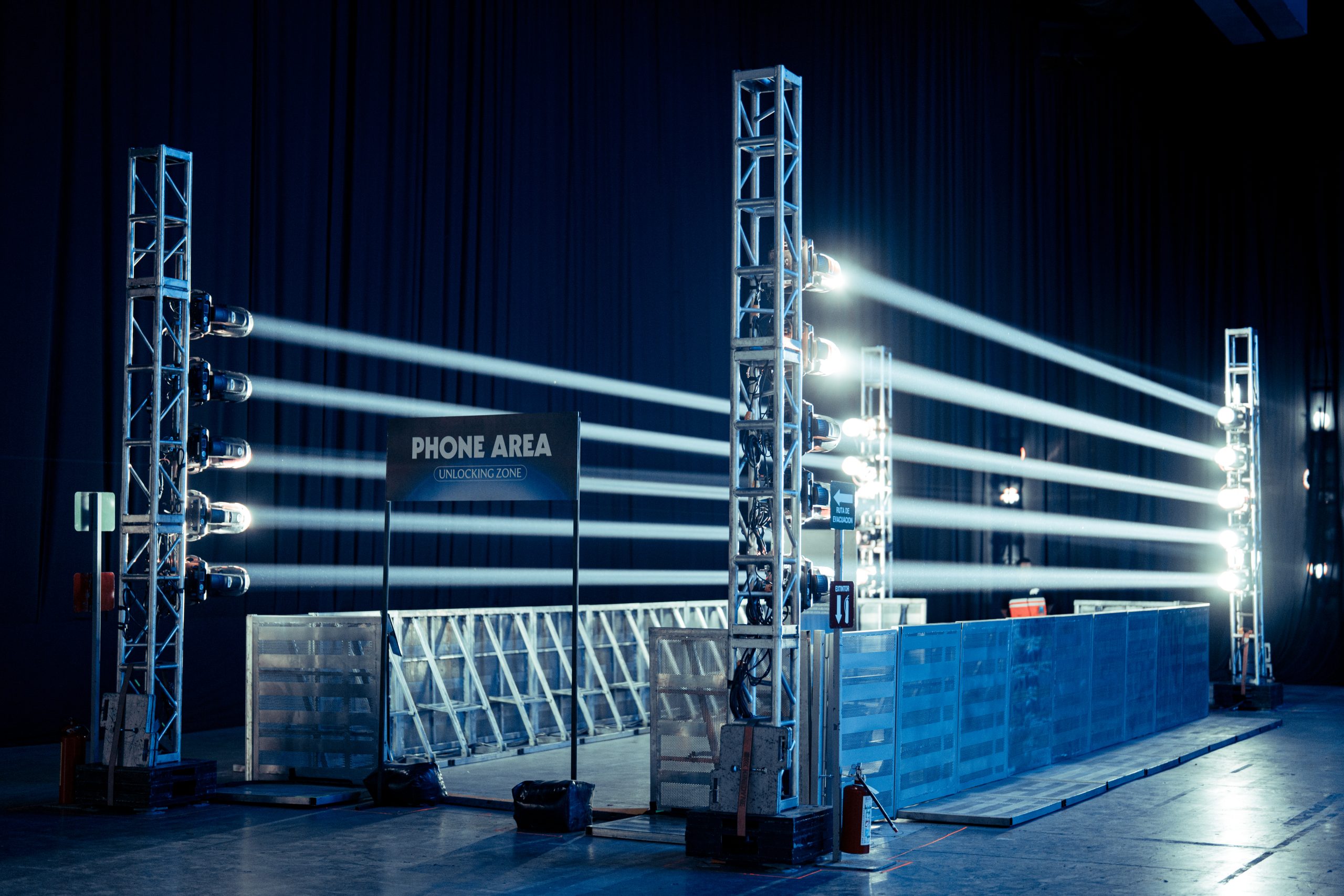
This is where structured solutions, like Phone Locker® lockable pouches, are starting to play a role.

By creating phone-free environments during performances:

  • Audiences stay fully engaged in the show
  • Performers can focus without distraction or concern
  • Productions maintain control over what is shared publicly

At its core, it’s not about restricting the audience, it’s about protecting the moment for everyone in the room.

Theatre works best when audiences are fully present, performers feel confident and respected, and the experience is shared in real time, not through a screen.

As TikTok continues to shape how performances are consumed, the industry is starting to push back recognising that when a live moment is filtered through a phone or turned into a viral clip, something is lost. Not everything needs to be recorded, and not every moment is meant to be shared online.

That’s why more venues are exploring phone-free solutions. If you’re looking to protect your performances and create truly immersive experiences, Phone Locker® can help you put the focus back where it belongs: on the stage. 联系我们 with our team today.

zh_CNChinese